Why Noise Sensitivity Affects People with Autism
Noise sensitivity is a common challenge for people with autism. Learn why sound can feel overwhelming, the science behind sensory overload, and practical strategies to create calmer, more supportive environments.
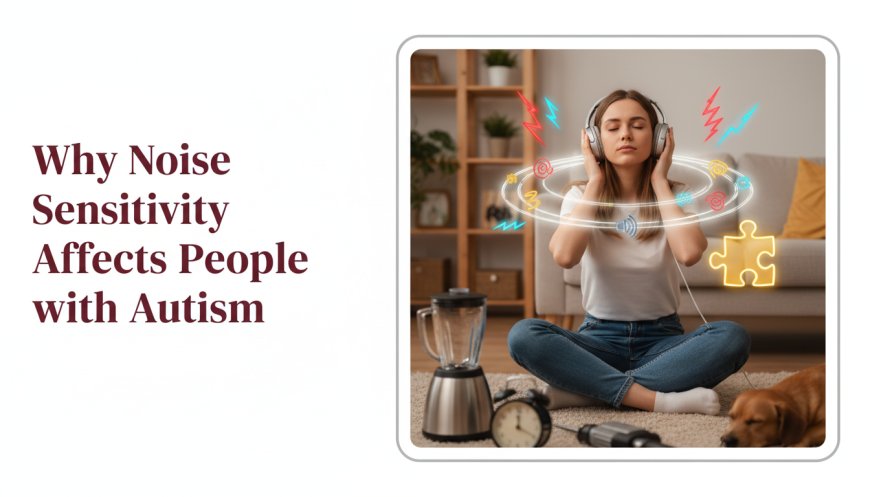
A crowded supermarket. Fluorescent lights buzz above while a cart rattles on the tiled floor. Music plays through ceiling speakers, overlapping with voices from every direction. For most people, this scene is background noise. For someone with autism, it can feel like standing in the middle of a thunderstorm.
Noise sensitivity is not just discomfort. It is a daily reality that can shape where people go, how they interact, and how safe they feel in their environment. Families, educators, and workplaces often underestimate how deeply sound can impact life on the autism spectrum.
This article explores why noise sensitivity affects people with autism, the science behind it, and what strategies can make the world feel less overwhelming. By understanding the roots of sensory overload, we can move toward empathy and practical solutions that truly support autistic individuals.
Autism and Sensory Processing
Autism Spectrum Disorder (ASD) is often described in terms of communication and social interaction. But at its core, autism is also a condition of sensory differences. Many autistic people process sound, light, touch, or smell differently from others.
In the brain, sensory pathways act like filters. They help us focus on what matters and tune out the rest. For autistic individuals, this filter often works differently. A sound that most people barely register—a humming refrigerator or the clicking of a pen—can be sharp and intrusive. Scientists suggest this may be linked to differences in how
the brain’s auditory system and nervous system respond to stimuli.
Understanding these sensory challenges is essential. It moves the focus away from labeling behaviors as “overreactions” and instead frames them as genuine neurological responses.
Why Noise Sensitivity Happens in Autism
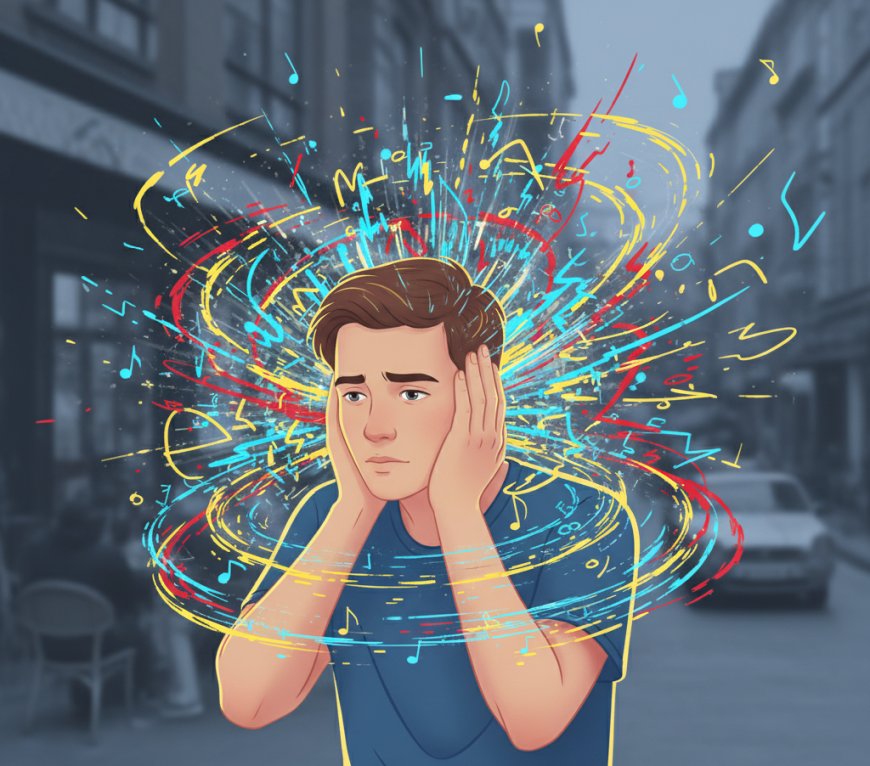
Noise sensitivity, sometimes described as hyperacusis, is more than an annoyance. It is the brain’s heightened response to sound.
Research shows that autistic individuals often have hyperconnected neural pathways. Instead of filtering out background sounds, the brain treats every sound as equally urgent. Imagine trying to hold a conversation while every car horn, phone ring, and whisper around you demands full attention. That is the daily experience for many autistic people.
Certain frequencies, such as high-pitched alarms or loud, layered environments, can even cause physical pain. For some, unexpected noises trigger a fight-or-flight response, with the body releasing stress hormones as if danger were near.
This is not simply a matter of preference or tolerance. It is a biological difference in how sound is received and processed.
Daily Challenges of Noise Sensitivity
Noise affects nearly every aspect of daily life. In classrooms, the scrape of chairs or chatter from peers can make concentration nearly impossible. At work, open office layouts filled with phone calls and background conversations create constant tension.
Public places—restaurants, bus stations, or concerts—become minefields of unpredictable sounds. As a result, many autistic individuals and their families avoid outings altogether. While this reduces stress, it also leads to isolation and missed opportunities for connection.
Even at home, noise can be a challenge. Appliances, neighborhood traffic, or loud televisions can overwhelm. Caregivers often describe feeling helpless as they watch their loved ones struggle with an environment they cannot control.
Key Factors That Shape Sensitivity
Noise sensitivity is not the same for everyone with autism. Several factors play a role:
-
Individual differences: Some people react strongly to certain sounds but tolerate others.
-
Age and development: Children may have more intense reactions that shift over time.
-
Co-existing conditions: Anxiety, ADHD, or auditory processing disorders can amplify sensitivity.
Recognizing these variations helps families and professionals create personalized strategies rather than relying on one-size-fits-all solutions.
Practical Strategies for Managing Noise
There is no universal fix, but there are proven ways to reduce the impact of noise on daily life.
Environmental changes: Creating quiet spaces at home, using soft furnishings to absorb sound, and adjusting lighting to reduce sensory overload.
Assistive tools: High-quality noise-canceling headphones and earplugs can make overwhelming spaces more manageable. For parents and caregivers, investing in the noise-cancelling earplugs for autism provides a portable and discreet solution.
Therapies: Occupational therapy, particularly sensory integration therapy, helps individuals build tolerance in safe environments. Cognitive approaches can also provide coping techniques, helping to reframe and manage emotional responses to sound.
Daily routines: Planning outings during quieter times, preparing for noisy environments, and establishing regular quiet breaks throughout the day are simple but effective steps.
Complementary Supports and Alternatives
Beyond tools and therapies, lifestyle approaches can play a role. Mindfulness and breathing techniques give individuals a way to self-regulate in overwhelming situations.
Technology also offers support, from sound masking apps to calming music designed to counter harsh environments.
Community support is equally important. Local advocacy groups and resources such as Insmartweb provide families with information, product reviews, and strategies to improve everyday life. Sharing experie
nces within these communities reduces isolation and offers reassurance that no one is facing this challenge alone.
FAQ
Is noise sensitivity the same as misophonia or hyperacusis?
Not exactly. Misophonia is an emotional reaction to specific sounds, often linked to anger or irritation, while hyperacusis is a heightened sensitivity to all sounds. Many autistic people experience elements of both, but the underlying cause is tied to sensory processing differences in autism.
Do all people with autism have noise sensitivity?
No. Autism is a spectrum, which means experiences vary widely. While many autistic individuals report sound sensitivity, others may have average or even reduced hearing responses. Each person’s sensory profile is unique.
Can therapy reduce sensitivity permanently?
Therapies such as sensory integration can improve coping skills and tolerance, but they rarely eliminate sensitivity entirely. Instead, the goal is to build resilience and provide tools to manage daily life more comfortably.
What’s the difference between sensory overload and a meltdown?
Sensory overload is the buildup of overwhelming stimuli, often leading to distress. A meltdown is the outward response—crying, yelling, or shutting down—when the overload becomes unbearable. They are not signs of bad behavior but natural responses to extreme stress.
How can parents help children cope at school?
Parents can work with teachers to create quiet zones, adjust classroom seating, and allow the use of headphones when needed. Preparing children for transitions, like fire drills or assemblies, also helps reduce anxiety around unexpected noise.
Conclusion
Noise sensitivity in autism is more than a quirk. It is a profound difference in how the brain processes sound, shaping daily life, relationships, and opportunities. Yet, with understanding and the right tools, the world can become more accessible.
Families and educators can make small but meaningful changes—offering quiet breaks, using sound-reducing devices, and advocating for supportive environments.
The challenge now is ours: How can we create spaces where autistic individuals feel safe, included, and heard? By answering this question, we take a step toward a quieter, more compassionate world.