What Makes a Vacuum Lift the Best Option for Your House?

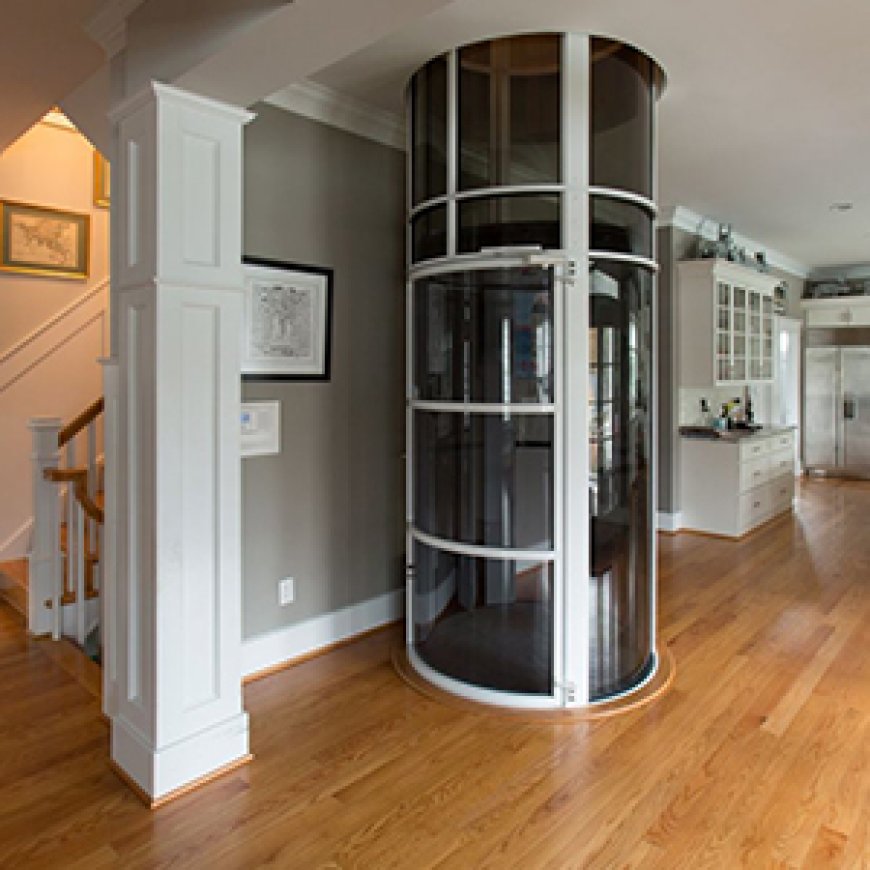
In the past, installing an elevator in your house required extensive construction, floor demolition, and a significant structural challenge. No more. The game has been entirely altered thanks to vacuum lifts, which provide homeowners with a clever substitute that eliminates the need for machine rooms, counterweights, and conventional wires.
Why Vacuum Lifts Are Different
A vacuum lift for home raises and lowers the cabin using air pressure. Imagine it as a massive system of pneumatic tubes. A vacuum pump at the top generates pressure differences to raise and lower the cabin of the elevator, which is housed inside a transparent tube. The pump draws air from above the cabin when you want to ascend. Air naturally returns when you want to descend, utilizing gravity to securely and gradually lower you.
The majority of the intricate machinery required by conventional elevators is eliminated by this technique. No deep excavations to dig in your basement, no cables to break, and no counterweights to keep up.
Benefits of Installation That Are Actually Important
Conventional home elevators need extensive remodeling. A deep pit, a machine room, and major structural changes are required. Weeks may pass during the installation procedure, leaving your home appearing like a building site.
Installing a vacuum lift is quicker and cleaner. The majority of variants can be fitted with or without a small pit. The clear tube doesn't need a separate machine room and takes up very little room. Instead of taking weeks, many installations are completed in a matter of days. There are also far fewer structural requirements. Most of the time, your house doesn't require significant reinforcing work.
Actual Safety Benefits
Concerns about what would happen if the power went out are common. Power interruptions with vacuum lifts actually make the system safer rather than riskier. The cabin uses gravity and controlled air flow to autonomously drop slowly to the lowest floor in the event of an electrical outage. You will not become trapped between floors.
Additionally, compared to conventional elevator shafts, the glass tube shape offers superior visibility. You have a clear view of your destination and the area surrounding the elevator. This increases users' confidence and helps prevent accidents, especially for young people and older family members.
Since the technology just needs to release air pressure to safely stop the cabin at any time during travel, emergency stops function instantly.
A Reality Check on Maintenance
Although all elevators require maintenance, vacuum lifts require a lot less than conventional systems. There aren't any complicated pulley systems to maintain, cables to swap out, or moving parts to break down.
The seals surrounding the tube need to be replaced occasionally, and the vacuum pump needs to be inspected on a regular basis. However, this is negligible in comparison to conventional elevator maintenance schedules. Instead of requiring monthly inspections, many vacuum lifts can go months between service visits.
When service technicians require access to your elevator, this results in reduced long-term expenses and less interference with your daily schedule.
Flexibility in Design and Space
Conventional elevators take up a lot of floor space on each floor of your house. Door mechanisms, shaft walls, and machine rooms all need specific space that can't be used for other purposes.
In actuality, vacuum lifts' cylindrical shape makes better use of available space. Where a conventional elevator shaft would not be able to fit, the clear tube can. Certain types can even be placed outside or in spaces with oddly high ceilings.
Additionally, the translucent design occupies less visual space and appears more contemporary. You get something that blends in nearly seamlessly with the architecture of your house rather than a large box in your hallway.
Cost Factors Over Time
When you take into account all the building work, permits, and structural adjustments that ordinary elevators need, vacuum lifts frequently have lower upfront installation costs than conventional home elevators.
Additionally, operating expenses are modest. The vacuum pump doesn't use power continuously like some conventional elevator systems do; instead, it uses regular household energy. Additionally, maintenance costs are consistent and typically lower.
You can anticipate clear pricing for installation, routine maintenance, and warranty coverage when you work with the best lift companies in India. Compared to dealing with the unforeseen expenses that frequently accompany traditional elevator installs, this makes budgeting considerably simpler.
Conclusion:
Homes with two to four floors are the ideal size for vacuum lifts. The majority of residential applications are well within their capabilities, although they are not appropriate for very tall buildings. Wheelchairs and other mobility aids used in daily life are supported by the weight capacity. Think about the long-term demands of your family. A vacuum lift can offer decades of independence and safety if you intend to age in place or have family members who have mobility issues.
After many years of usage, the technology has been shown to be dependable. Better engineering and safety features have allayed early worries about air pressure systems. Vacuum lifts provide the best balance of affordability, safety, and usefulness currently accessible for the majority of homeowners wishing to add elevator access without having to deal with significant renovation hassles.