


























What is the Best Type of Antifreeze for Cars in Sudan? A Driver's Essential Guide

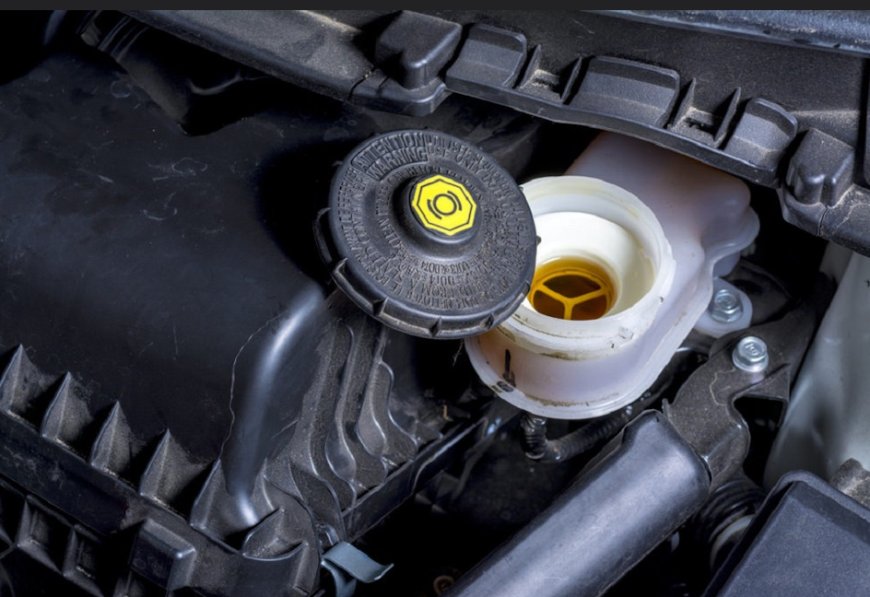
Driving through Sudan's diverse landscapes—from the bustling streets of Khartoum to the arid stretches of the Nubian Desert—presents a unique set of challenges for your vehicle. The relentless sun, scorching temperatures, and fine, abrasive dust test the limits of every component, especially your engine's cooling system. While the term "antifreeze" might seem misplaced in a nation known for its heat, this vital fluid is arguably more critical here than in colder climates. Its role in preventing overheating is the very thing that keeps Sudanese motors running.
But with countless bottles lining the shelves of auto shops, each promising superior performance, how do you, the Sudanese driver, choose the right one? The answer isn't found in a single brand name, but in understanding the chemistry of coolants and how it interacts with the extreme Sudanese environment. This guide will navigate the complexities of antifreeze, helping you make an informed decision to protect your engine investment.
Beyond the Name: Understanding Coolant vs. Antifreeze
First, let's clarify the terminology. While often used interchangeably, "antifreeze" and "coolant" have a subtle difference. Antifreeze is the concentrated ethylene glycol or propylene glycol base liquid. It is mixed with water to create "coolant," the 50/50 mixture that circulates through your engine. Its primary functions are threefold:
-
Raise the Boiling Point: Pure water boils at 100°C. Under Sudan's extreme heat, an engine can easily exceed this temperature, leading to catastrophic overheating. A proper coolant mixture raises the boiling point to around 125-135°C, providing a critical safety margin.
-
Lower the Freezing Point: Although less of a daily concern in Sudan, it can get surprisingly cold in certain regions at night. Coolant prevents the water in your engine from freezing, which could expand and crack the engine block or radiator.
-
Inhibit Corrosion: Modern engines contain a variety of metals—aluminum, cast iron, copper, brass—and soft metals like solder. Water alone causes rapid corrosion, leading to clogged radiators, failed water pumps, and heater cores. Coolant contains additive packages (corrosion inhibitors) to protect these components.
The Heart of the Matter: Coolant Chemistry and Technology Types
The most critical factor in choosing a coolant is its chemical technology, defined by the corrosion inhibitor package it uses. Using the wrong type can cause severe damage to your engine. There are three main types, often distinguished by their color, though color alone is not a reliable indicator.
1. Inorganic Acid Technology (IAT) - The Conventional Green Coolant
This is the old-fashioned, familiar green coolant. It uses silicates and phosphates to form a protective layer on metal surfaces. While effective, these additives deplete quickly, requiring more frequent changes (every 2 years or 30,000-50,000 km). IAT coolant is generally not recommended for modern vehicles with many aluminum components, as it doesn't offer the best protection for them. You might find it still used in older models.
2. Organic Acid Technology (OAT) - The Long-Life Coolant
OAT coolants use organic acids as corrosion inhibitors. They don't form a protective layer over the entire system but instead protect only where corrosion is likely to occur. This technology allows for a much longer service life, typically 5 years or 200,000+ km. They come in a variety of colors like orange, red, pink, or blue. A key point for Sudanese drivers: some OAT formulas are specifically designed for heavy-duty use and high-heat environments, making them a strong contender.
3. Hybrid Organic Acid Technology (HOAT) - The Best of Both Worlds
As the name implies, HOAT is a hybrid of IAT and OAT technologies. It typically uses a combination of organic acids with a small amount of silicates for extra protection, particularly for aluminum surfaces. This makes it an excellent all-around performer. HOAT coolants are also long-life, often lasting 5 years or 200,000 km, and are commonly found in yellow, turquoise, or orange. Many European and American manufacturers use a form of HOAT.
The Golden Rule: Always consult your vehicle’s owner’s manual. The manufacturer will specify the exact type of coolant technology required for your engine. Using the wrong type can lead to additive dropout, gel formation, and accelerated corrosion.
The Sudanese Climate: The Ultimate Stress Test
Sudan’s climate isn't just hot; it's extremely hot and dry. This places extraordinary demands on your cooling system:
-
Constant High Temperatures: The coolant is operating near its maximum capacity for most of the year, accelerating the breakdown of the additive packages.
-
Increased Load: Air conditioning is run constantly, placing additional strain on the radiator and cooling system.
-
Dust and Contaminants: Fine Saharan dust can clog radiator fins, reducing cooling efficiency and forcing the system to work even harder. A robust coolant must resist contamination and maintain its protective properties.
Therefore, a long-life coolant (OAT or HOAT) is often recommended for modern cars in Sudan due to its extended drain intervals and superior stability under high temperatures. However, the manufacturer's specification remains the final word.
The Critical Role of Water: Why You Should Never Use Tap Water
This is a point that cannot be overstated. The water you use to mix with concentrate is as important as the antifreeze itself. Sudan's tap water is typically "hard," meaning it has a high mineral content (calcium, magnesium, chlorides). Using this water will lead to scale deposits (like limescale in a kettle) forming inside your radiator and engine passages. This scale acts as an insulator, drastically reducing the cooling system's efficiency and leading to overheating. It also promotes corrosion.
The only water suitable for mixing is deionized or demineralized water, available in bottles at most auto parts stores. It is purified of these harmful minerals, ensuring a clean, effective coolant mixture. Pre-mixed coolants, which are a 50/50 blend of antifreeze and purified water, are an excellent, convenient, though often more expensive, option that eliminates the guesswork.
Spotlight on Quality and Performance: The Case for Ecol Lubricants
In a market with varying quality levels, choosing a reputable brand that meets or exceeds industry standards is paramount. This is where high-performance brands that understand harsh conditions become invaluable. For instance, the engineering behind premium products from Ecol Lubricants is often focused on delivering superior thermal stability and corrosion protection. Their formulations are designed to withstand extreme oxidative stress, a constant factor in Sudan's punishing climate. When selecting a coolant, looking for brands that invest in advanced additive technology, similar to the approach taken by Ecol Lubricants, ensures that your engine receives the highest level of protection against both heat and corrosion. It is always advisable to seek out products that carry approvals from major industry standards organizations like the ASTM or specific vehicle manufacturers.
How to Choose: A Step-by-Step Guide for Sudanese Drivers
-
Read Your Manual: This is your bible. Identify the required specification (e.g., GM Dex-Cool, Ford WSS-M97B44-D, Volkswagen G12/G13).
-
Decide on Form: Concentrate or Pre-Mixed? If you use concentrate, you must mix it with distilled/deionized water. Pre-mixed is more convenient and foolproof.
-
Choose the Technology: Match the technology (IAT, OAT, HOAT) to your manufacturer's recommendation.
-
Select a Reputable Brand: Opt for brands known for quality and that meet the specifications for your car. Avoid unknown or suspiciously cheap products.
-
Consider Your Vehicle's Age: For older cars, a complete system flush might be necessary before switching to a new type of coolant to avoid chemical conflicts.
Conclusion: Investing in Cool Confidence
Selecting the best antifreeze for your car in Sudan is not a matter of picking the brightest bottle or the most familiar name. It is a technical decision rooted in understanding your vehicle's needs and the extreme demands of the environment. The "best" type is the one that precisely matches your manufacturer's specifications, is mixed with the correct purified water, and comes from a quality brand known for its advanced engineering and reliability.
By investing in the right coolant, you are not just preventing overheating; you are protecting your entire engine from corrosive wear, ensuring the longevity of your radiator and water pump, and guaranteeing that your car can reliably handle the immense heat of the Sudanese sun. It’s a small investment for the peace of mind that comes from knowing your engine is running cool, clean, and protected, mile after mile.


