


























What Is Roll Roofing? (Pros & Cons)
When it comes to protecting your home, your roof is one of the most important elements. Choosing the right roofing material is essential for both long-term durability and cost efficiency. One option that some homeowners consider is roll roofing.
If you're curious about what roll roofing is, how it works, and whether its right for your home, this guide will provide all the details you need to make an informed decision.
What Is Roll Roofing?
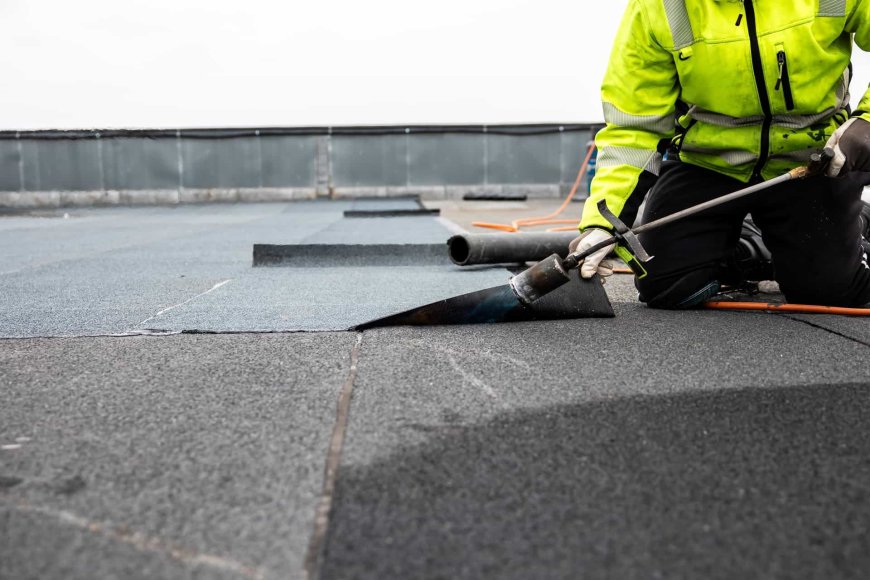
Roll roofing is a type of flexible roofing material that comes in long rolls or sheets. Made primarily from asphalt or polymer, its coated with mineral granules for added durability and weather resistance. Often called felt paper or tar paper, its primarily used for flat or low-slope roofs.
Roll roofing is ideal for:
-
Garages
-
Sheds
-
Workshops
-
Low-slope or flat roofs
Because of its light weight, roll roofing is often chosen for smaller buildings or structures where heavier materials, like tiles or metal, might not be practical.
How Is Roll Roofing Installed?
One of the main selling points of roll roofing is its easy installation. Since it comes in large sheets, it covers a larger surface area faster than individual shingles. Depending on the structure of the roof, roll roofing can be installed flat or in overlapping layers.
For DIY enthusiasts, roll roofing can be a manageable project. However, professional installation may be beneficial to ensure the best results and long-lasting durability.
Key Advantages of Roll Roofing
1. Cost-Effective
Roll roofing is one of the most affordable roofing options available. If you're on a tight budget or need a temporary solution, roll roofing offers an economical way to protect your roof without breaking the bank.
2. Simple Installation
Unlike traditional shingles that require individual placement, roll roofing comes in larger sheets, making installation quicker and more efficient. This can lower labor costs and make it a good choice for those looking to install it themselves.
3. Lightweight Design
Roll roofing is much lighter than many other roofing materials, which means it places less strain on the roof structure. This is especially beneficial for older or weaker buildings that might not be able to support the weight of heavier materials.
4. Waterproof and Mold-Resistant
Roll roofing is designed to be waterproof, protecting your home from leaks and moisture damage. Additionally, it is resistant to mold and mildew, which helps maintain the integrity of the roof over time.
5. Versatile and Adaptable
Thanks to its flexibility, roll roofing can be cut to fit various roof shapes, including eaves, ridges, and valleys. Its a versatile choice for unique roof layouts or smaller sections.
6. Cold Weather Performance
In colder climates, roll roofing holds up well since it remains flexible and doesnt crack easily in freezing temperatures. This makes it a solid choice for homes in regions with harsh winters.
Disadvantages of Roll Roofing
As with any roofing material, roll roofing has its share of drawbacks. Here are some potential downsides:
1. Shorter Lifespan
Roll roofing typically lasts around 5 to 8 years, which is significantly shorter than more durable materials like asphalt shingles, which can last much longer (20 years or more). If you need a roofing material that will stand the test of time, roll roofing might not be the best option.
2. Basic Appearance
While functional, roll roofing has a fairly basic appearance. It generally comes in black or white, which might not complement the design of your home. Some neighborhoods or HOAs might even restrict its use due to aesthetic reasons.
3. Not Suitable for Steep Roofs
Roll roofing is best suited for low-slope roofs. It doesn't perform well on steeper roofs, as water wont drain off quickly enough, which can lead to pooling and leaks. For steeper roofs, other materials like shingles or tiles are better choices.
4. Vulnerable to Weather Damage
Although roll roofing is waterproof, it is more susceptible to damage from extreme weather conditions like strong winds, hail, and temperature fluctuations. Over time, harsh weather can cause the material to crack or become loose.
5. Maintenance Required
Roll roofing requires regular maintenance to keep it in good condition. This includes inspecting for tears, resealing edges, and clearing away debris. Without proper care, the material can deteriorate much faster.
Is Roll Roofing Right for Your Home?
Roll roofing offers an affordable and easy-to-install solution for low-slope roofs or smaller structures like sheds and garages. However, its short lifespan, basic look, and vulnerability to weather might make it less suitable for homes that need a more long-term, aesthetically pleasing roofing option.
If you have a steep roof or want a roof that will last for decades, it may be better to explore other options like asphalt shingles or metal roofing.
The Importance of a Professional Roof Inspection
Before you make a decision on any roofing material, its crucial to have a professional roof inspection. An expert inspector can evaluate your roofs condition, slope, and structure to recommend the best roofing material for your specific needs.
At Guardian Angel Inspections, we specialize in providing comprehensive roof inspections in Central and South Florida. Our experienced team will give you clear, honest recommendations to help you make the best choice for your home.
Schedule Your Roof Inspection Today
If youre uncertain whether roll roofing is the right fit for your home, or if you need guidance on other roofing materials, get in touch with Guardian Angel Inspections. Were here to help!


