


























What is Robotic Deburring and How Does It Improve Surface Finishing?

In the realm of industrial manufacturing, surface quality is a defining factor that determines the functionality, safety, and aesthetic appeal of components. Processes like cutting, milling, drilling, and casting often leave behind unwanted imperfections such as burrstiny protrusions of material that can compromise product performance. Traditionally, removing these burrs was a labor-intensive manual task. However, with advancements in automation, Robotic Deburring has emerged as a transformative solution, offering speed, consistency, and precision in surface finishing.
This article explores the fundamentals of Robotic Deburring, its benefits, the role of Robotic Sandering, and how these automated systems enhance surface finishing in modern industrial settings.
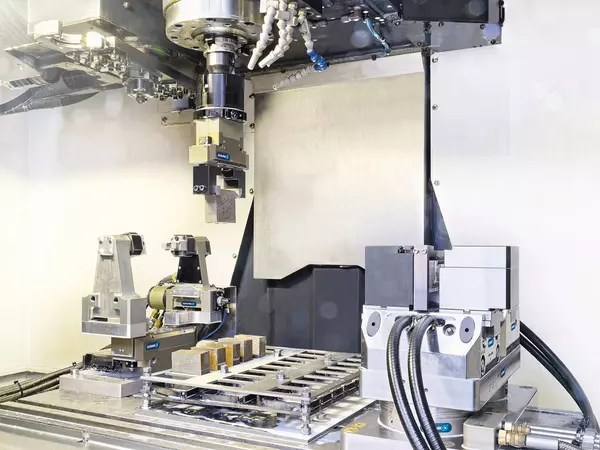
Understanding Robotic Deburring
Robotic Deburring is the automated process of removing sharp edges, excess material, and surface imperfections using industrial robots equipped with specialized deburring tools. These tools can include brushes, carbide burrs, grinding wheels, or abrasive pads designed to smooth out the edges of metal, plastic, or composite components.
The process is programmed into the robots path, ensuring it moves with high accuracy over predefined areas where burrs are expected. This allows for precise removal without damaging the surrounding material, unlike manual methods, which can vary in effectiveness due to human fatigue or inconsistency.
Robotic deburring is applicable across a wide range of industries, including automotive, aerospace, metalworking, and electronics, where high-volume, high-precision manufacturing is essential.
Why Burrs Are a Problem
Burrs may seem insignificant, but they pose serious problems in manufacturing. Left unchecked, burrs can:
Affect part assembly and fit
Cause increased wear or malfunction in mechanical systems
Compromise product aesthetics
Leads to safety hazards during the handling
Interfere with coating, painting, or sealing processes
Manual deburring methods, while effective in small-scale production, struggle to deliver the consistency and throughput required by todays industrial standards. Thats where Robotic Deburring proves its value.
How Robotic Deburring Works
The Robotic Deburring process begins with the integration of an industrial robot into the production line. The robot is programmed with a 3D path corresponding to the part's geometry and the areas requiring burr removal. The end-of-arm tooling (EOAT), which can be customized based on the material and type of burrs, is attached to the robots arm.
Depending on the application, different tools and technologies can be used:
Rotary brushes for light, uniform edge rounding
Cutting tools or burrs for heavy material removal
Abrasive belts or wheels for smoothing and polishing surfaces
The robot's force control system ensures consistent pressure on the surface, minimizing the risk of damaging the part. Once programmed, the robot can perform repetitive operations with unwavering precision, operating 24/7 if needed.
Advantages of Robotic Deburring
Adopting Robotic Deburring offers numerous benefits to manufacturers aiming to improve productivity, quality, and safety.
Consistency and Precision
Unlike manual deburring, robots maintain a constant path and pressure, resulting in uniform surface finishing across all parts. This is particularly important for industries where tolerances are tight and product consistency is crucial.
Increased Efficiency
Robots can operate continuously without fatigue, reducing downtime and increasing throughput. They can also work faster than human operators, especially in high-volume production environments.
Improved Worker Safety
Manual deburring exposes workers to sharp edges, dust, and repetitive strain. Robotic Deburring eliminates these hazards, allowing human operators to focus on higher-value tasks such as quality control or system supervision.
Lower Operational Costs
Though the upfront investment in robotics can be substantial, the long-term savings from reduced labor costs, less rework, and fewer defective parts can quickly outweigh initial expenditures.
Flexibility
Modern robotic systems can be reprogrammed for different parts geometries and materials. This makes them highly adaptable to product changes or new production requirements.
Read also: Understanding Robot Gripper: Types, Functions, and Applications
Introduction to Robotic Sandering
While Robotic Deburring focuses on removing burrs and sharp edges, Robotic Sandering complements it by providing smooth finishes and surface uniformity. Sandering involves the use of abrasive materials to refine surfaces, making it ideal for preparing parts for painting, coating, or sealing.
In many industries, these two processes work hand-in-hand. For example, after burrs are removed from a metal bracket, Robotic Sandering can be used to polish the surface, enhancing both appearance and functionality.
Just like deburring, robotic sandering systems use force-controlled arms equipped with sanding pads, belts, or discs. These systems ensure even pressure across the workpiece, preventing over-sanding or surface deformation. Applications of robotic sanding are common in the aerospace, furniture, and electronics industries, where flawless finishes are a key product requirement.
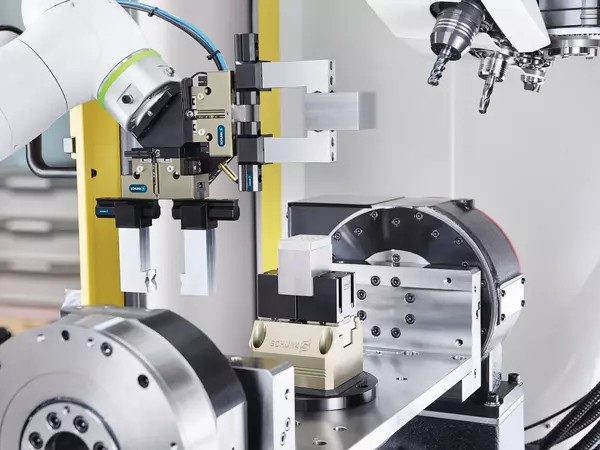
Integration and Automation
Both Robotic Deburring and Robotic Sandering can be seamlessly integrated into automated production lines. Advanced systems include vision sensors, force feedback, and machine learning algorithms to improve precision and adapt to part variability.
Some setups also include robotic tool changers, allowing a single robot to switch between deburring and sanding tasks based on the workflow. This level of automation dramatically improves operational efficiency and reduces the need for manual intervention.
Real-World Applications
Automotive Industry
Robotic systems are widely used to deburr engine blocks, brake components, and transmission parts. Consistent edge finishing ensures better assembly and longer service life of components.
Aerospace Sector
Airplane parts demand high-precision finishing. Robotic sanding is essential to achieve aerodynamic smoothness and surface integrity, while deburring helps prevent fatigue cracks and failure.
Metal Fabrication
Sheet metal and CNC-machined parts are prone to sharp edges. Robots can quickly deburr these parts while maintaining surface uniformity through sanding.
Consumer Electronics
Devices like smartphones and laptops require smooth, burr-free surfaces for both function and aesthetics. Robots provide the level of fine finishing required by such high-end products.
Conclusion
In a manufacturing world where speed, precision, and quality are non-negotiable, Robotic Deburring and Robotic Sandering are not just optionsthey are necessities. By automating surface finishing tasks, manufacturers can eliminate inconsistencies, boost productivity, and create safer working environments.
For businesses looking to invest in state-of-the-art automation tools, Schunk offers industry-leading solutions in robotic deburring and surface finishing technologies. With decades of expertise in clamping and gripping systems, Schunks advanced robotic tools ensure precise, reliable, and efficient material removal processes tailored to your production needs. When quality and efficiency matter most, Schunk delivers the automation tools to keep your operations ahead of the curve.


