


























What is Piling and Its Different Types?

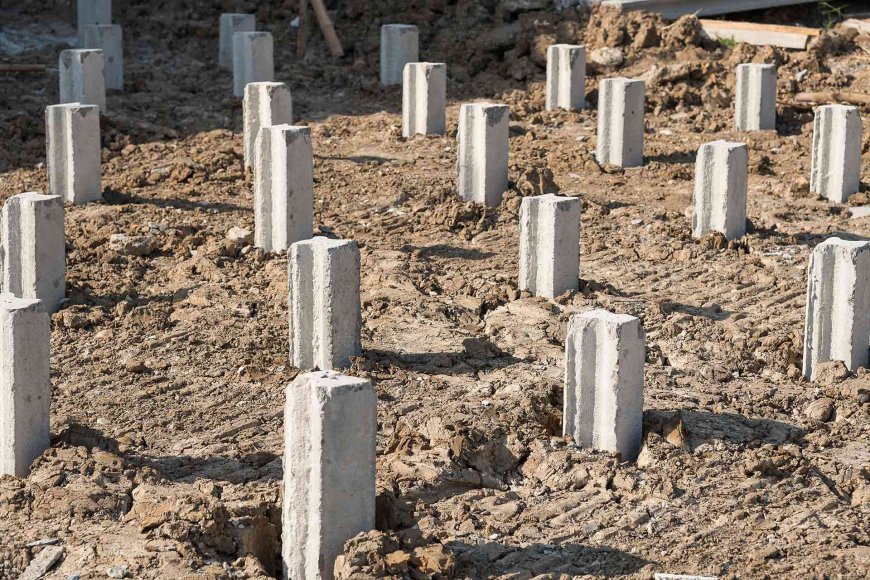
Are you going to build a tall building, bridge, or high-rise? But you are new to the world of construction and are facing issues such as unstable ground or poor soil bearing capacity. So, you need to know about piling.
Piling is necessary to provide stable and deep foundations for structures. When the shallow surface soil is weak or unstable, piling is essential, as it ensures the foundation can adequately support a building's weight. It provides the structure, long-term stability, and safety.
In this article, you will learn what piling is, how it works, and the types in detail.
What Is Piling?
Piling is a method used to support buildings and other structures while using long, cylindrical supports made of wood, concrete, or steel. These long cylinders are driven deep into the ground to create a firm and stable layer of soil at the construction site. The process helps to build a stable structure as the building's load is spread over several installed piles.
Piling Contractors Essex offers a cost-effective approach to creating deep foundations, which occurs before construction work begins. The selection of material used for deep foundations depends on the specific project, whether it's a new home, a shopping complex, or a government infrastructure project.
How Does Piling Work?
The primary function of piling is to distribute the weight of a building more evenly across the surface. But piling techniques vary depending on the type of pile being used. It offers structural support. Piles are placed into the ground using a pile driver and are inserted using hammering or vibrations. Before starting the piling process, important construction factors are considered, like the condition of the soil beneath the ground. In this way, soil type is determined to check which piling technique should be used.
What Are The Types Of Piling?
Piling varies from soil to soil, as it depends on the soil's condition. Let's examine the various types of piling based on their materials and construction methods.
Steel Piling:
Steel piling is an excellent technique used in various construction projects due to its strength and ability to carry a large amount of weight. It involves driving steel sheets or piles into the ground to form a structural wall. The process begins with planning and design, followed by the installation of sheets using equipment like vibratory or impact hammers or hydraulic presses. The sheets interlock to create a continuous wall, and connectors may be used for complex shapes.
Installation methods and equipment selection depend on the site, soil conditions, and the type of sheet pile used. One of the benefits of steel piling is that fewer steel piles are required for a given project compared to those constructed from alternative materials, due to the load-bearing potential of steel piles.
Using this type of piling offers economic advantages to the project, as fewer total piles are needed, thereby reducing material use and the time and labour involved in driving the piles.
Wood Or Timber Piling:
Wood piling is a traditional method used to strengthen the foundations of the building. It is also a popular and excellent option. To perform timber or wood piling, wood is driven into the ground using heavy equipment or by hand.
Different methods are used according to the soil conditions. For example, a water jet is used to sink the piling into the lakebed for the dock. For construction, a vibratory hammer is used to drive piling to a sufficient depth. For underwater construction, wood is submerged in water to prevent it from deteriorating.
Compared to steel piling, wood or timber piling is relatively lightweight to transport in the ground. This type enhances durability while preventing insects from burrowing into the structure. It is also an ecological advantage for some companies and consumers, as wood is a renewable resource.
Composite Piling:
In composite piling, various materials are combined to form a single, more resilient pile. This type is more beneficial for marine applications as it is durable enough to withstand aquatic conditions. It is customisable and can be designed to meet the specific needs of each project.
Concrete Piling:
Concrete piling is a sturdy and versatile construction material that comes in various types. Reinforced and prestressed concrete piles are often used to increase the strength of construction projects. These piles can be created and installed on-site, a process also referred to as cast-in-situ piling.
Conclusion:
Piling is an excellent way to provide stability and support by transferring loads from a structure into the ground, especially in weak soil conditions. Southern Foundations & Piling Ltd offers a range of piling solutions designed to serve various purposes, strengthening your construction projects.


