


























What Is a Nose Balloon Procedure? Everything You Need to Know

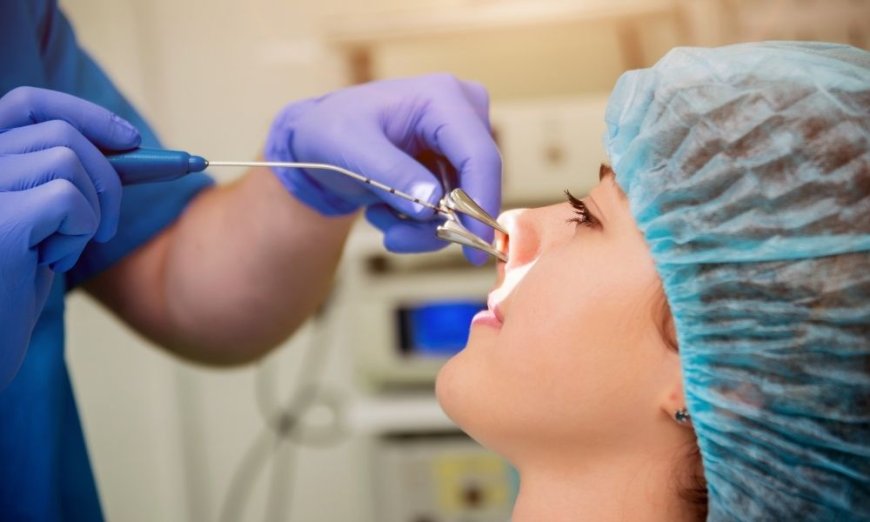
When congestion is a constant player in your everyday life, pressure behind your eyes, headaches that ride shotgun, and sleep that feels shallow. You begin hunting for solutions that don't include a box of tissue number two. That's where the so-called "nose balloon procedure" comes in.
The term sounds a little whimsical, almost like a party trick. It isn't. It's a minimally invasive technique ENT surgeons use to open blocked passages and help your sinuses drain how they're supposed to. You'll also hear it called balloon sinuplasty. There's a nose balloon procedure for a different problem—balloon dilation of the Eustachian tube. So yes, balloons appear in more than one ENT setting. We'll keep both in view, then zoom in on what matters for you.
First, What Is "Nose Balloon" Actually Referring To?
Most people mean balloon nose sinusplasty: a tiny, flexible balloon is guided into narrowed sinus openings inside your nose and gently inflated for a short time. Think of it like widening a bottleneck so fluid can move again. No bone removal. Minimal tissue disruption. The goal is simple: better drainage, less pressure, easier breathing. Many patients with local anesthesia have it in the office. Depending on their case and comfort, some still have it in the operating room. If your main misery is face pressure, postnasal drip, repeated sinus infections, and congestion that won't quit, you're more likely to think of balloon sinuplasty.
How Balloon Sinuplasty Works (Without The Medical Gobbledygook)
Imagine a lighted, pencil-sized scope that allows your doctor to look in your nose.
By that peek, a soft catheter delivers a tiny balloon to the constricted sinus entrance—maxillary, frontal, or sphenoid, depending on how you are made and what hurts. The balloon is inflated for a few seconds. Pressure increases, the constricted opening is remodeled slightly, and the passageway opens up. The balloon goes away. Your sinus drains. You breathe. That's the dance. Most cases only utilize topical and local anesthesia in the office, keeping recovery quick and the day quiet.
"Wait—no cutting?" Usually, hardly anything. Balloon sinuplasty wants to leave the tissue alone. That's one reason people bounce back to normal life quickly relative to traditional sinus surgery, which still plays a significant role in more complicated diseases. Different tools for different tasks.
Who's A Good Candidate?
If your sinus symptoms continue despite good medical treatment: saline irrigation, proper steroid sprays, allergy management, and antibiotics when necessary. Balloon dilation isn't step one; it's step two when the fundamentals haven't worked, and imaging and exam confirm a blockage. Guidelines mandate that the diagnosis be confirmed by nasal endoscopy and CT findings before scheduling the nose balloon procedure. That's not red tape; that's how you make sure you're correcting the appropriate thing.
Not everybody is a candidate. If you've got large nasal polyps, some fungal infections, significant structural problems, or disease that requires wider access, your doctor might suggest standard endoscopic sinus surgery instead. The idea isn't to push a balloon; it's to select the procedure most suitable for your anatomy and objectives.
The Upside (And The Fine Print)
Upside: less bleeding, minimal to no packing, and a faster return to everyday life. Most can return to work within a day or two—sometimes the very next day, as long as their job isn't dusty, sweaty, or physically demanding. Office procedures can also save on anesthesia and facility charges, which patients appreciate.
Fine print: Every medical procedure carries risk. With balloon nose sinuplasty, serious complications are rare, but they can include bleeding, infection, or, very rarely, injury to surrounding structures. Your surgeon will review your risk profile. If you've got complex sinus disease, balloon dilation may not be enough, and a combined or alternative approach could be smarter. That's not failure; that's tailoring.
Recovery: The Next Few Days (And Weeks)
Immediately following balloon sinuplasty, anticipate some congestion and minor drainage. Rinse with saline, refrain from nose-blowing contests, and briefly avoid heavy lifting. Most individuals have improved sleep within days as pressure subsides. Within a few weeks, tissue acclimates to its new, more expansive pattern.
If you've had dilation of the Eustachian tube, you may have fewer instances of feeling "stuck" when swallowing or yawning, and pressure fluctuations on flight are less pronounced. Your crew will continue monitoring your ears; recovery isn't a flip so much as a dimmer heading in the right direction.
"Will I Need It Again?"
Perhaps. Most patients appreciate long-lasting relief, provided they continue maintenance—saline washes, steroid sprays (if prescribed), allergy control, and trigger avoidance. But sinuses exist in the real world with pollen, smoke, dust, viruses, and life. If symptoms return months or years later, your surgeon can reevaluate whether a do-over dilation or another approach is more appropriate.
Common Fears
"Does it hurt?" You'll sense pressure rather than pain. The numbing process is complete, and inflation is only for the second time. If you're nervous, just tell them; your crew can modify.
"Will I bleed a lot?" Usually, it's minimal in contrast to standard sinus surgery. Oozing a little on the initial day is standard. Heavy bleeding is rare and is controlled if it occurs.
"Is office-based safe?" For the right patients, yes. That is at your discretion, based on your anatomy, health status, and the surgeon's discretion. Some still choose the OR; neither is "better" in a vacuum.
"Maybe it won't work." Then you haven't failed; you've discovered what your sinuses (or Eustachian tube) will and won't do. Your surgeon can adapt—repeat dilation, introduce focused endoscopic surgery, or address contributing factors such as allergies or reflux. Medicine is an iterative, evidence-driven practice, not a one-shot deal.
Conclusion
If medications and rinses haven't worked and your ENT sees a fixable blockage on exam and imaging, a nose balloon procedure might be the elegant solution you've been hoping for. It's quick, targeted, and can be done right in the office for many people. And it slots into a broader plan that still values allergy control, healthy habits, and ongoing care.
Wondering if you're a candidate? Begin with the easiest question: What's the most important thing you want back—easy breathing, clear head, pain-free flights? Fort Worth ENT & Sinus will assist you in answering all your questions.
Breathe better.


