


























Turning Raw Land into a Home Site with a Custom Builder
Buying land feels exciting. It is a blank canvas with endless potential.

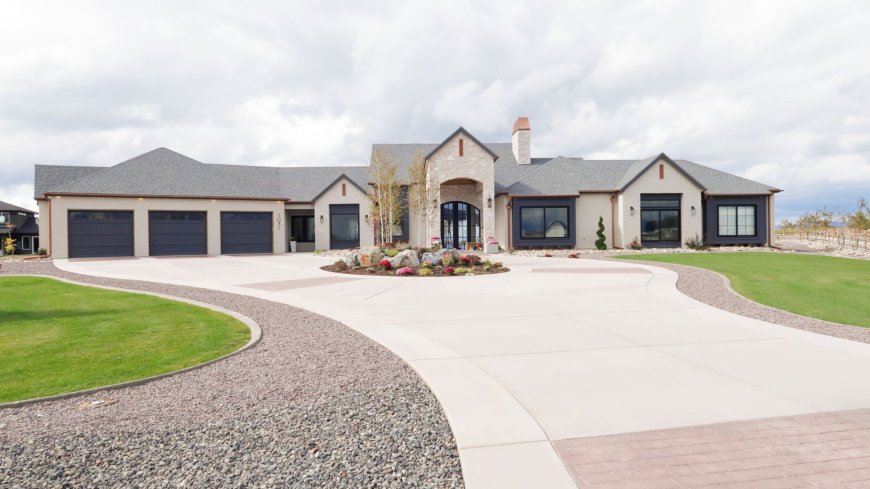
Buying land feels exciting. It is a blank canvas with endless potential. But raw land is far from move-in ready. Turning it into a place for a home takes careful steps, many small decisions, and steady planning. In Grand Junction, where soil, slopes, and access to utilities can vary a lot, the process needs extra care. For some, the thought of Palisade land and home packages makes the path simpler, but for those starting with bare ground, there is more work to do. A custom builder is often the partner who makes raw land ready for a house. They see the small details that most buyers might miss. They help translate rough ground into a livable site.
Reading the Land Before Breaking Ground
The first step is a close look at the land itself. Not all lots are the same. Soil type affects how a foundation will hold. Clay, sand, or rocky soil each bring their own risks. A soil test is often done to see if the ground can support the weight of a house. Slope is another factor. A gentle slope may allow for a walk-out basement. A steep slope may call for retaining walls or extra grading. Drainage must also be checked. Water pooling near a house can weaken foundations and cause long-term damage. Local zoning rules and codes also guide what can and cannot be built. A site plan must follow these rules. They set limits on setbacks, house height, and even septic placement.
Utilities: The Lifelines of a Home
A house cannot run without water, power, and waste systems. Some lots in Grand Junction come with easy access to public utilities. Others do not. If water lines are far, a well may be needed. Power might need poles and lines run from the nearest source. Septic systems need enough land for leach fields. These steps often add cost and time. That is why planning for them early matters. A custom builder will often bring in surveyors and engineers to check the site. This avoids surprises later.
Clearing, Grading, and Shaping the Site
Raw land often has trees, brush, or rocks that must be cleared. Heavy equipment may be needed to prepare a level pad for the house. Grading shapes the slope to direct water away. Drainage swales or culverts may be added. It is not just about making space for the home itself. Driveways, access roads, and even fire safety clearances matter. In areas near open land, fire rules can shape how much brush must be cleared. Good grading and clearing now prevent future issues with water, soil movement, or erosion.
Designing with the Land, Not Against It
Once the site is ready, design takes center stage. Here the land guides the home. The view may call for large windows facing a certain way. The slope may suggest a lower level with natural light. Trees may provide shade, shaping where patios or decks work best. Building with the land saves money. It avoids the cost of heavy earthwork. It also makes the house feel like it belongs where it sits. A thoughtful builder will also study how the sun moves across the site. Morning light in the kitchen or evening shade on the deck can change how a house feels.
Permits, Codes, and Local Rules
No home build moves forward without paperwork. Grand Junction has codes that protect safety and health. A building permit confirms that the plan meets these codes. Septic permits, driveway permits, and even grading permits may be needed. Skipping these steps is never wise. Work without permits often leads to fines, delays, or even removal of work already done. A builder who knows local rules can smooth the process.
Hidden Costs Many Owners Miss
Turning land into a site often costs more than buyers expect. Rock removal, tree clearing, or long driveways can add thousands. Extending water or power lines can be even higher. Soil issues may need engineered foundations. These costs should be mapped out early. A good estimate prevents budget shocks. Some owners find Palisade land with builder options more predictable, since many site costs are factored in from the start.
Living with the Land After Building
Once the house is built, the land still needs care. Drainage paths should stay clear. Septic systems need routine checks. Driveways may need gravel or seal coat over time. A well-designed site makes upkeep easier. Grading done right means less erosion. Native plants reduce water needs and cut back on weeds. Trees placed with care provide shade without risk to the roof. Living with the land is about balance. The home feels more stable when the land is respected.
Why Patience Matters in Site Prep
Rushing the steps before the foundation is set often leads to regret. Soil tests skipped, drainage ignored, or utilities left for later can all cause major repair costs. Site prep is not the most exciting part of building. Still, it lays the base for every step that follows. Taking the time to plan with a custom builder is worth it. It turns raw land into a site that can hold a home for generations.
Conclusion
Turning raw land into a home site is more than clearing a space and pouring a foundation. It is a process shaped by soil tests, grading, utilities, and careful design choices. Every step matters because each one influences how well the home will stand for decades to come. Alegria Homes brings long experience to projects across Grand Junction. As a family focused builder, they work with care to shape raw land into a place for lasting homes. Their work shows the value of planning, patience, and respect for the land itself.


