Top 10 Ways to Ensure the Quality of Your Medical Equipment Supplies
Ensuring the quality of your medical equipment supplies is not only about maintaining device functionality but also about safeguarding patient safety, maintaining compliance with healthcare standards, and ensuring operational efficiency in your hospital or clinic.
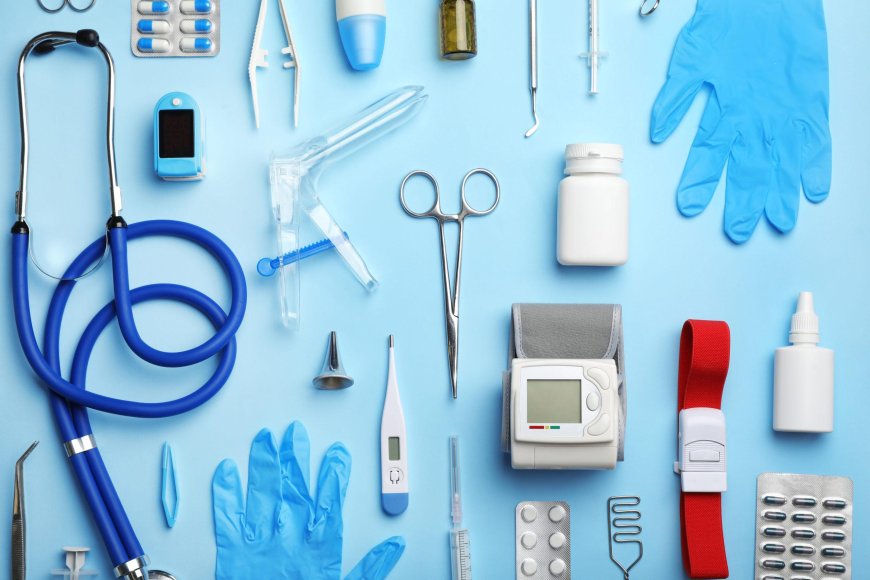
Ensuring the quality of medical equipment is essential for hospitals and clinics aiming to deliver safe, accurate, and efficient patient care. Equipment quality directly impacts diagnostic accuracy, treatment safety, and the operational efficiency of your healthcare facility. Below are ten practical, clear methods to ensure that the medical equipment supplies you procure and use maintain consistent quality standards.
1. Source from Verified and Reputable Suppliers
Always purchase your medical equipment from trusted suppliers who have a proven track record in the healthcare industry. Verify supplier credentials, industry certifications, and their history of supplying to reputable hospitals or clinics to reduce the risk of receiving substandard products.
2. Check Product Certifications and Standards
Ensure that every piece of equipment meets national and international safety and quality standards. Look for certifications such as ISO, CE, or BIS, which indicate that the equipment has undergone rigorous testing and meets established performance and safety benchmarks.
3. Conduct Pre-Purchase Technical Evaluations
Before finalizing a purchase, assess the technical specifications of the equipment to confirm its suitability for your clinical needs. If possible, request a demonstration or trial to check ease of use, reliability, and operational compatibility with your existing systems.
4. Perform Incoming Quality Inspections
When new equipment arrives, conduct detailed inspections before accepting it into your inventory. Check for physical damage, test basic functionalities, and ensure all accessories and manuals are included, helping you identify issues early and communicate with the supplier immediately if necessary.
5. Implement a Regular Maintenance Schedule
Regular maintenance is critical for preserving the quality and functionality of your medical equipment. Establish a preventive maintenance plan in alignment with manufacturer guidelines to prevent equipment failures, extend lifespan, and maintain performance consistency.
6. Train Staff on Proper Equipment Handling
Even the best equipment can fail if not handled correctly. Provide thorough training for your healthcare team on the correct operation, cleaning, and basic troubleshooting of medical devices, which reduces misuse and accidental damage, preserving quality over time.
7. Keep Detailed Maintenance and Service Records
Maintain accurate logs for each piece of equipment, recording maintenance activities, repairs, calibration dates, and performance issues. These records help in tracking the equipments condition and planning timely servicing to prevent unexpected breakdowns.
8. Calibrate Equipment Regularly
Regular calibration ensures your equipment provides accurate readings, which is essential for patient safety and treatment effectiveness. Follow manufacturer-recommended calibration intervals or adjust based on the intensity of equipment usage in your facility.
9. Engage in Periodic Quality Audits
Conduct regular internal audits of your medical equipment inventory to assess quality, identify underperforming devices, and verify adherence to maintenance schedules. Periodic audits help identify patterns that may indicate a need for supplier discussions or equipment replacement.
10. Establish Clear Vendor Communication Channels
Maintain open and clear communication with your suppliers for service requests, warranty claims, and technical support. Reliable suppliers will provide swift assistance and guidance, ensuring that any quality concerns are resolved promptly to minimize equipment downtime.
Conclusion
Ensuring the quality of your medical equipment supplies is not only about maintaining device functionality but also about safeguarding patient safety, maintaining compliance with healthcare standards, and ensuring operational efficiency in your hospital or clinic. By applying these ten methods, healthcare facilities can confidently manage and maintain high-quality medical equipment, supporting the delivery of accurate and effective patient care.
Find high-Quality medical equipment suppliers and distributor