


























The Ultimate Guide: When Should You Change Your Antifreeze/Coolant in Nigeria?

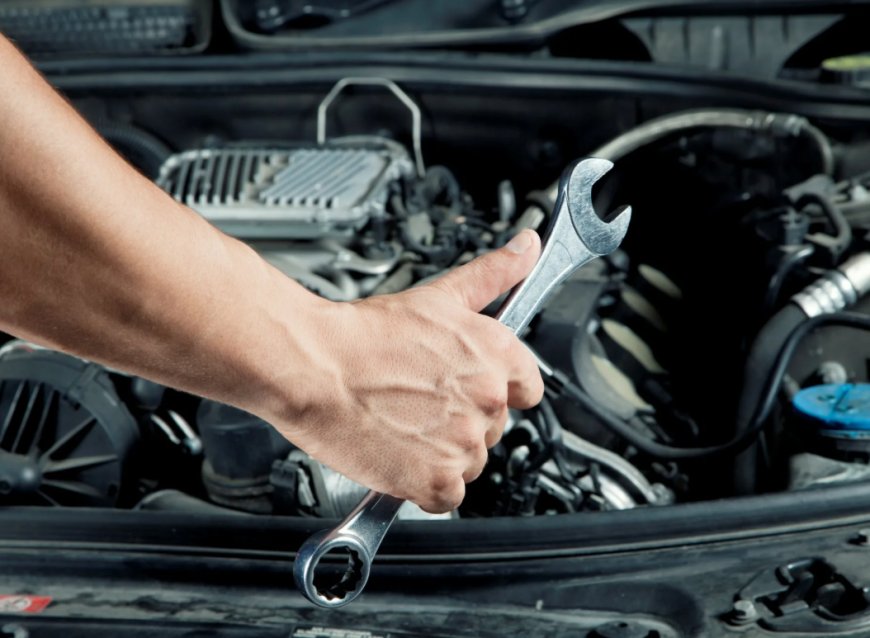
The hum of a well-tuned engine, the confidence of a smooth ride on the Lagos-Ibadan Expressway, the peace of mind on a long trip to the East—these are the hallmarks of a responsibly maintained vehicle. Yet, often hidden in the shadows of routine oil changes and tyre checks lies a critical component that is the very lifeblood of your car's engine, especially under the relentless Nigerian sun: your antifreeze, or more accurately, your engine coolant.
Many car owners in Nigeria view coolant as a simple "water for the radiator," leading to neglected maintenance that results in overheated engines, costly repairs, and frustrating breakdowns. Understanding when and why to change this vital fluid is not just a recommendation; it's a necessity for vehicle longevity. This guide, grounded in automotive expertise, will demystify the process and timing for changing your antifreeze, ensuring your engine remains cool, protected, and efficient for years to come.
Beyond "Water": Understanding the Role of Antifreeze/Coolant
First, let's clarify the terminology. What is commonly called "antifreeze" is actually a concentrated chemical mixture (typically ethylene or propylene glycol-based) that, when mixed with water, becomes "coolant." Its name is a misnomer in our hot climate, as its functions are multifaceted:
-
Heat Transfer: It absorbs the immense heat generated by your engine and dissipates it through the radiator, preventing the engine from melting itself into a solid block of metal.
-
Freeze Protection: While less critical in Nigeria, it still prevents freezing in highly unlikely cold scenarios.
-
Boil Protection: Crucially for us, it raises the boiling point of the fluid. Pure water boils at 100°C, but a proper coolant mixture won't boil until around 129°C, which is essential for handling our extreme ambient temperatures.
-
Corrosion Inhibition: This is its silent superpower. Modern engines contain various metals—aluminium, cast iron, copper, brass—and alloys. Coolant contains additives that form a protective layer, preventing corrosive damage that can clog channels, damage water pumps, and lead to head gasket failures.
Why the Nigerian Climate is a Special Challenge
Your engine's cooling system works significantly harder in Nigeria than in temperate regions. Constant stop-and-go traffic in congested cities like Lagos and Abuja generates tremendous heat with little airflow. Combined with high ambient temperatures and intense solar radiation, the coolant is pushed to its limits. The corrosion inhibitors deplete faster under this thermal stress, and the fluid itself can degrade, losing its protective properties. Using pure water or a poor-quality mix is a recipe for disaster, accelerating corrosion and promoting scale buildup much like limescale in a kettle.
So, When Exactly Should You Change It? The Golden Rules
There is no single answer that fits every vehicle, but following these guidelines will ensure you never get it wrong.
1. Adhere to Your Manufacturer’s Recommended Interval (The Primary Rule)
This is the most important step. Your car's owner's manual is the definitive source of truth. Modern vehicles often have extended service intervals. While older models may recommend a change every two years or 40,000 km, many newer cars suggest intervals of every 5 years or 160,000 km. Never assume; always check the manual first.
2. The Universal 2-5 Year Benchmark
If your manual is missing or the recommendations are unclear, a safe and widely accepted practice is to perform a complete coolant drain and flush every 2 to 5 years. This range accounts for the quality of the coolant used. For instance, traditional Inorganic Additive Technology (IAT) coolants (often bright green) have a shorter lifespan, typically around 2 years. Conversely, modern Organic Acid Technology (OAT) and Hybrid Organic Acid Technology (HOAT) coolants (which come in orange, red, pink, or blue) are designed to last much longer, often up to 5 years or more.
3. Monitor the Condition: The Visual and Physical Inspection
Your coolant gives you visual cues about its health. When the engine is completely cool, safely open the radiator or coolant reservoir cap and check:
-
Colour: Fresh coolant is typically vibrant—green, orange, red, etc. Degraded coolant often becomes murky, cloudy, or rusty. If it looks like a dirty brown sludge, it's long overdue for a change.
-
Smell: A potent, sour smell indicates contamination, often from a leaking head gasket allowing oil and exhaust gases to mix with the coolant.
-
Texture: If you find any oily film on the surface of the coolant, it is a serious sign of engine oil contamination and requires immediate professional attention.
4. Listen to Your Car: Symptoms of Bad Coolant
Your vehicle will tell you when the coolant is failing. Be alert to these warning signs:
-
Frequent Overheating: The most obvious sign. If your temperature gauge is consistently climbing into the red, even in normal traffic, the coolant may have lost its ability to effectively transfer heat.
-
Sweet Smell: A distinct, sweet syrup smell inside or outside the car, especially when the heater is on, can indicate a coolant leak evaporating on hot engine components.
-
Visible Leaks: Puddles of brightly coloured fluid (green, orange, etc.) under your car after it has been parked are a clear sign of a leak that needs fixing before you refill.
-
Heater Issues: If your car's heater stops blowing hot air, it could be a sign of low coolant levels or air trapped in the system due to a leak.
The Critical Choice: Selecting the Right Coolant for Nigerian Roads
Not all coolants are created equal. Using the wrong type can cause rapid additive depletion and damage. The choice is not about colour but about chemical technology. It is paramount to use a coolant that meets the specifications outlined in your owner's manual. For drivers seeking a reliable and high-performance option, considering a reputable brand is key. For example, the formulations from R8 Drive Lubricants are engineered to meet the stringent requirements of various vehicle manufacturers, offering advanced corrosion protection and thermal stability that stands up to demanding African conditions. Their products are developed with high-quality inhibitor technology that protects all engine metals, ensuring your cooling system remains clean and efficient, which is a cornerstone of engine longevity.
The How: Drain and Flush vs. Drain and Fill
There is a significant difference between simply draining the old fluid and adding new one versus a professional flush. A drain and fill only removes a portion of the old coolant, leaving a significant amount of the degraded fluid and any contaminants in the engine block and heater core. A professional flush uses a machine to forcibly push out all the old coolant, along with rust and debris, and replaces it with a 50/50 mixture of concentrated antifreeze and distilled water (using distilled water is vital to prevent mineral scale). For a truly clean system, a flush is always the superior method.
Conclusion: An Ounce of Prevention
Your car's coolant is the unsung hero of your engine's health. In the challenging operating environment of Nigeria, ignoring it is a gamble with very high stakes—an engine replacement is a cost no one wants to bear. By understanding its role, respecting the manufacturer's guidelines, performing regular visual checks, and using a high-quality product designed for durability, you invest in the long-term reliability and performance of your vehicle. Don't wait for the temperature light to come on. Make coolant maintenance a scheduled priority, and your engine will reward you with thousands of trouble-free kilometers on the dynamic roads of Nigeria.


