The Strategic Benefits of Real World Asset Tokenization for Enterprises

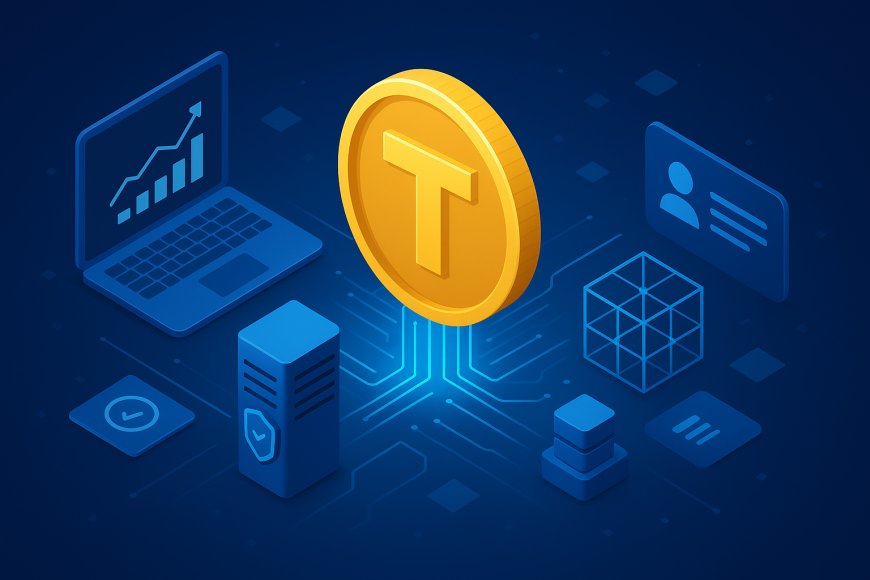
Enterprises across industries are increasingly looking toward blockchain-based solutions to stay ahead in a competitive marketplace. Among the most transformative applications is real world asset tokenization, a process that converts tangible or intangible assetssuch as real estate, commodities, intellectual property, or fine artinto digital tokens that can be recorded, transferred, and traded on a blockchain. This shift not only streamlines how assets are managed and exchanged but also introduces new revenue streams, operational efficiencies, and opportunities for global market participation. For enterprises, the strategic benefits of real world asset tokenization extend far beyond technological novelty, reshaping the way organizations create, distribute, and capture value.
Unlocking Liquidity from Traditionally Illiquid Assets
One of the most significant advantages enterprises gain from tokenization is the ability to unlock liquidity in assets that have historically been illiquid. Real estate, luxury goods, or long-term investment instruments often tie up capital for extended periods. By tokenizing these assets, enterprises can fractionalize ownership, allowing smaller investors to participate and increasing the overall pool of liquidity.
For example, a commercial real estate firm that once had to rely on large institutional investors can tokenize properties and sell fractional tokens to a broader base of participants. This creates flexibility for the enterprise to raise capital faster, diversify its investor base, and avoid the inefficiencies associated with traditional fundraising models. Liquidity is no longer a privilege limited to publicly traded assets but a strategic advantage that enterprises can extend to virtually any asset class.
Democratizing Access to Enterprise Assets
Tokenization also enables enterprises to democratize access to their assets. Traditionally, high-value assets such as private equity shares, rare collectibles, or premium commodities were accessible only to institutional investors or individuals with significant financial capacity. Tokenization lowers the entry barriers, making it possible for retail investors to own a share of these assets in smaller, more manageable denominations.
For enterprises, this means a broader investor community, deeper market penetration, and enhanced brand credibility. By opening their assets to a wider audience, businesses not only raise capital more efficiently but also build long-term engagement with investors who may have been previously excluded from these markets. This democratization creates a more inclusive financial ecosystem while positioning enterprises as leaders in innovation and accessibility.
Enhancing Transparency and Trust
Transparency has always been a critical challenge in global markets, especially in sectors involving complex asset classes. Real world asset tokenization leverages blockchains immutable ledger to record ownership details, transaction histories, and compliance information in a way that is verifiable and tamper-proof.
For enterprises, this is a powerful mechanism to enhance trust with stakeholders. Whether dealing with investors, regulators, or customers, the ability to demonstrate real-time auditability of tokenized assets establishes credibility and confidence. In industries like supply chain, where authenticity and provenance are critical, tokenization ensures that stakeholders can trace the history of goods or commodities without relying solely on third-party verification. Enterprises that integrate tokenization into their operations position themselves as transparent, trustworthy, and future-ready organizations.
Expanding Global Reach and Market Access
Another strategic benefit of real world asset tokenization lies in its ability to expand market access beyond geographic boundaries. Traditional asset transactions are often hindered by regional regulations, intermediaries, and high transaction costs. Tokenization, on the other hand, allows enterprises to issue tokens on decentralized platforms accessible globally, thereby reaching investors and partners across continents with relative ease.
For multinational corporations or enterprises looking to scale internationally, this is a game-changer. By eliminating unnecessary barriers and intermediaries, tokenized assets provide direct access to global liquidity pools, reducing the friction associated with cross-border investment. Enterprises benefit not only from a wider investor base but also from faster deal cycles and reduced operational costs.
Improving Operational Efficiency
Tokenization does not only create external advantages; it also significantly improves internal operational efficiency for enterprises. Traditional asset management often involves complex documentation, multiple intermediaries, and time-consuming reconciliation processes. With tokenized systems, transactions are automated through smart contracts, ensuring that ownership transfers, dividend distributions, or compliance checks occur seamlessly and without manual intervention.
For enterprises, this reduces administrative overhead and minimizes the risk of errors or disputes. Smart contracts execute predefined rules automatically, cutting down on reliance on lawyers, brokers, or custodians for routine functions. Over time, these efficiencies translate into measurable cost savings, improved speed to market, and enhanced productivity across departments.
Strengthening Compliance and Security
In a regulatory environment that is becoming increasingly stringent, compliance remains a top priority for enterprises. Tokenization provides a framework where regulatory requirements such as Know Your Customer (KYC), Anti-Money Laundering (AML), and investor accreditation can be embedded directly into the token issuance and trading processes.
For enterprises, this proactive integration of compliance mechanisms reduces the risk of non-compliance while making audits and reporting significantly easier. Moreover, blockchain-based tokenization provides advanced security through cryptographic protections, reducing risks of fraud, duplication, or data tampering. Enterprises operating in industries with sensitive assets or strict regulatory oversight can leverage tokenization as a safeguard that ensures both compliance and security without sacrificing efficiency.
Driving New Revenue Models
Beyond liquidity and efficiency, real world asset tokenization creates entirely new revenue opportunities for enterprises. By issuing tokenized assets, businesses can explore innovative models such as fractional ownership subscriptions, secondary trading platforms, or hybrid investment products that blend traditional and digital finance.
For example, a media company could tokenize intellectual property rights, allowing investors to buy fractional ownership in future royalties. Similarly, a manufacturing enterprise could tokenize carbon credits or sustainability-linked assets to generate revenue from environmental initiatives. These models not only diversify income streams but also create new ways to monetize enterprise assets that were previously underutilized.
Enhancing Enterprise Agility in a Digital Economy
In todays fast-evolving digital economy, agility is a defining factor for enterprise success. Real world asset tokenization empowers organizations to adapt quickly to market shifts, investor demands, and technological advancements. By digitizing assets, enterprises gain the flexibility to experiment with new market structures, deploy innovative products, and respond to global opportunities in real time.
This agility becomes particularly valuable in industries where speed and adaptability dictate competitive advantage. Enterprises that tokenize assets can pivot faster than their traditional counterparts, giving them an edge in capturing new opportunities and mitigating risks in uncertain market conditions.
Building Stronger Investor Relationships
Finally, tokenization strengthens relationships between enterprises and their investors. By offering fractional ownership and transparent processes, enterprises create a more engaging investor experience. Tokenized platforms allow investors to monitor their holdings in real time, trade seamlessly, and access assets that align with their individual preferences.
This level of engagement fosters loyalty and long-term collaboration. Investors view tokenized enterprises as forward-thinking and innovative, which enhances brand value and market positioning. For enterprises, this translates into sustained investor confidence and stronger capital-raising capabilities over time.
Conclusion
Real world asset tokenization is no longer a theoretical concept but a practical, high-impact strategy for enterprises seeking to innovate and thrive in the modern economy. The benefits extend from unlocking liquidity and democratizing access to enhancing transparency, improving efficiency, and driving new revenue opportunities. For enterprises, tokenization is not merely a technological adoptionit is a strategic shift that redefines how value is created, managed, and shared across global markets.
By embracing tokenization, enterprises position themselves as pioneers of a new financial era, where traditional limitations give way to inclusive, efficient, and borderless opportunities. Those that act early will not only gain a competitive edge but also set the stage for long-term success in an increasingly digitized and interconnected world.