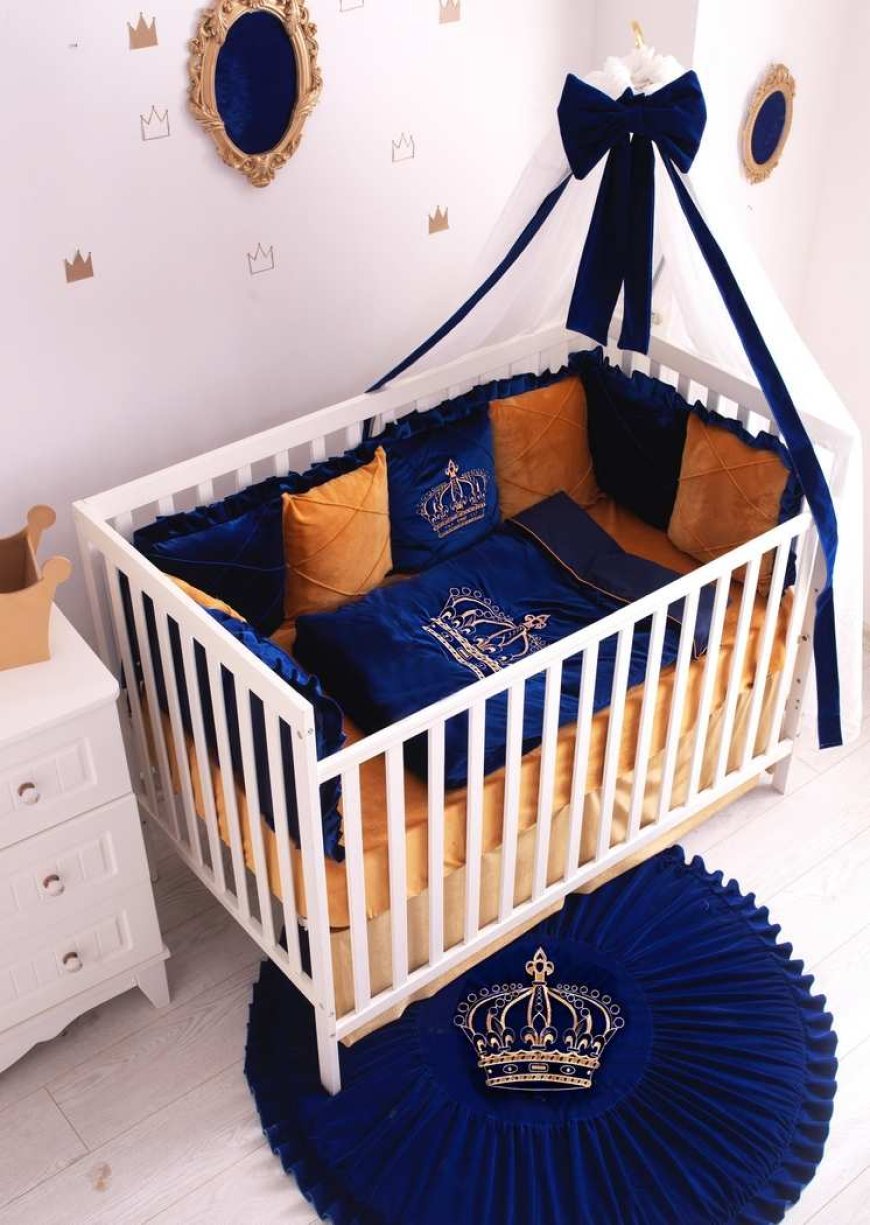
The Heart of the Nursery: A Complete Guide to Choosing the Safest Bed for Your Crib
Confused about the 'bed for your crib'? Our 2025 guide to crib mattresses covers the #1 safety rule (firmness), foam vs. innerspring, and key certifications to look for.
When you envision your baby's nursery, the crib stands as the gentle centerpiecea symbol of rest, safety, and comfort. But what truly makes up the bed for crib? While we often think of soft sheets and blankets, the single most important component for your baby's safety and healthy development is the mattress itself.
Choosing a crib mattress can feel like a high-stakes decision. You are suddenly faced with terms like "innerspring," "foam density," "dual-sided," and a confusing list of certifications. What really matters? How firm is "firm enough"? How do you ensure you are making the safest possible choice?
This comprehensive guide will demystify the process. We will break down the non-negotiable safety standards you must follow, compare the different types of mattresses available, and explain the key features that add comfort, convenience, and longevity. By the end, you will feel confident and empowered to select the perfect mattressthe true heart of your nursery.
The Foundation: Non-Negotiable Safety and Fit
Before considering any other feature, your choice must be guided by safety standards established by the U.S. Consumer Product Safety Commission (CPSC) and the American Academy of Pediatrics (AAP).
1. Unwavering Firmness
This is the single most important safety feature of a crib mattress. A baby lacks the motor skills to easily reposition their head if they sink into a soft surface. A firm, flat mattress provides the support they need and significantly reduces the risk of SIDS and suffocation.
How do you test for firmness? A mattress that feels right for an adult will be far too soft for a baby. Press your hand firmly into the center and along the edges of the mattress. It should not conform deeply to the shape of your hand; instead, it should push back and snap back into shape quickly when you lift your hand. Dont worry that it feels too hardthis is exactly what your baby needs for safe sleep.
2. A Snug and Secure Fit
The mattress must fit tightly inside the crib. There should be no dangerous gaps between the edge of the mattress and the crib frame where a baby could become trapped.
The Two-Finger Test: A simple way to check the fit is to push the mattress into one corner of the crib. You should not be able to fit more than two fingers between the mattress and the crib frame on the opposite side. All full-size crib mattresses sold in the U.S. must meet standard dimensions (at least 27 1/4 inches wide and 51 5/8 inches long), but it is always wise to perform this test.
3. Key Safety Certifications
Certifications help you trust that the materials in the mattress are safe and non-toxic. Here are the most important ones to look for in the United States:
GREENGUARD Gold: This stringent certification means the mattress has been tested for over 10,000 chemicals and has met low-emission standards for Volatile Organic Compounds (VOCs). It signifies a product that contributes to cleaner indoor air in your nursery.
CertiPUR-US (for foam mattresses): This ensures the foam in the mattress is made without ozone depleters, heavy metals (like mercury and lead), phthalates, formaldehyde, and has low VOC emissions.
GOTS (Global Organic Textile Standard): If you are choosing a mattress with organic components (like a cotton cover), this certification verifies the organic status of the materials and ensures environmentally and socially responsible manufacturing.
Decoding the Core: Innerspring vs. Foam Mattresses
Crib mattresses primarily come in two types: innerspring and foam. Both are safe options when they meet firmness and quality standards.
Innerspring Mattresses
These are the more traditional option, constructed with a core of interconnected steel coils covered by layers of cushioning like foam, cotton, or polyester.
Pros:
Durability: High-quality innerspring mattresses are known for their longevity and ability to keep their shape over time.
Excellent Firmness: The coil system provides a very firm and even support structure.
Edge Support: Many feature thicker steel border rods, which reinforce the sides and prevent sagging.
Cons:
Weight: They are generally heavier than foam mattresses, which can make changing crib sheets more of a workout.
Quality Varies: Quality can depend on the coil count (a higher count, typically 150 or more, often means better support) and the gauge of the steel used.
Foam Mattresses
These mattresses are made from a solid block of high-density polyurethane foam. They have become increasingly popular due to their light weight and comfort.
Pros:
Lightweight: Foam mattresses are significantly lighter than innerspring models, making it much easier to lift them when changing sheets.
Uniform Support: A high-density foam core provides firm, even support across the entire surface.
Good Value: They often provide excellent quality and safety features at an accessible price point.
Cons:
Density is Key: The quality and durability depend entirely on the density of the foam. Look for mattresses labeled as "high-density."
Potential for Off-Gassing: Lower-quality foams can release VOCs. This is why the CertiPUR-US certification is absolutely essential when choosing a foam mattress.
Essential Features for Convenience and Longevity
Beyond the core construction, several features can make a mattress more practical and extend its lifespan.
Waterproof Cover: This is a non-negotiable feature for practicality. Diapers leak, and babies spit up. A waterproof cover prevents liquids from seeping into the mattress core, which can lead to mold, mildew, and bacteria growth. Look for covers made of reinforced nylon or high-quality, non-toxic vinyl with sealed seams.
Dual-Sided (Infant-to-Toddler): This is an excellent feature for long-term value. These mattresses have two distinct sides: an extra-firm side designed for the safety needs of an infant, and a slightly softer, more comfortable side for a toddler. When your child is ready to transition to a toddler bed (which often uses the same mattress), you simply flip it over.
Breathability: Some mattresses are marketed as "breathable," featuring a porous core or a 3D mesh cover designed to allow air to flow freely. While this can offer an additional layer of peace of mind, it is important to remember that a breathable mattress is not a substitute for AAP safe sleep guidelines. Your baby must still always be placed on their back in a bare crib.
Organic and Natural Materials: For parents seeking to minimize synthetic materials, organic mattresses are a great option. These often feature components like an organic cotton cover, a coconut coir core, wool (which acts as a natural fire retardant), or natural latex.
Completing the System: Mattress, Protector, and Sheet
The best "bed for your crib" is a system. Once you have chosen your mattress, remember:
You can add a waterproof mattress protector on top. This provides an easily washable barrier and can extend the life of the mattress cover itself. Ensure the protector is thin and fits tightly.
The only thing that goes on top of the mattress or protector is a snug-fitting fitted sheet.
Conclusion: Investing in Safe and Sound Sleep
Choosing the bed for your cribthe mattressis one of the most meaningful investments you will make in your baby's well-being. By prioritizing firmness and a snug fit above all else, you are creating the safest possible foundation for rest. From there, you can select the type and features that best suit your family's needs and values. A high-quality mattress will not only support your baby through countless nights of sweet dreams but will provide you with the invaluable peace of mind that comes from knowing youve made the safest choice.
Frequently Asked Questions (FAQs) About Crib Mattresses
1. How do I know for sure if a crib mattress is firm enough? Press down on the center and edges of the mattress with your hand. It should feel firm, resist your pressure, and snap back quickly. It should not feel comfortable or plush to you as an adult.
2. Is a foam or innerspring mattress better? Neither is inherently better, as long as it meets safety standards. Foam is lighter and often more affordable. Innerspring is typically very durable. The choice comes down to personal preference and budget.
3. Are breathable mattresses proven to be safer? While they allow for more airflow, there is no conclusive scientific evidence that they prevent SIDS more than a standard firm mattress. They are an added feature, but they do not replace the essential AAP safe sleep rule of placing a baby on their back in a bare crib.
4. What is the most important certification to look for? For overall indoor air quality, GREENGUARD Gold is a top-tier certification. For a foam mattress specifically, CertiPUR-US is essential to ensure the foam is free from harmful chemicals.
5. Do I need a mattress protector if the mattress is already waterproof? It's a good idea. A protector adds another layer of defense, is easier to strip off and wash in the middle of the night than cleaning the mattress cover itself, and helps preserve the primary waterproof barrier.
6. Can I reuse a crib mattress for my next baby? It is generally not recommended. Over time, a mattress can lose its firmness, and bodily fluids can get trapped inside, leading to contamination. For safety and hygiene, a new mattress for each baby is the best practice.
7. What is a dual-sided crib mattress? It's a mattress with two different firmness levels. One side is extra-firm for infant safety, and the other side is slightly softer and more comfortable for toddlers. It extends the useful life of the mattress.
8. How do I clean my crib mattress? Always follow the manufacturer's instructions. Generally, a waterproof cover can be wiped down with a damp cloth and mild soap. Never saturate a mattress with liquid.
9. Are organic crib mattresses worth it? For families concerned about exposure to synthetic materials, chemicals, and pesticides, an organic mattress made with materials like organic cotton and wool can be a worthwhile investment for peace of mind.
10. What is the standard crib mattress size in the U.S.? A standard full-size crib mattress must be at least 27 1/4 inches wide and 51 5/8 inches long, and no more than 6 inches thick.