Sports Injury Physiotherapy Exercises You Can Do at Home
Sports Injury Physiotherapy
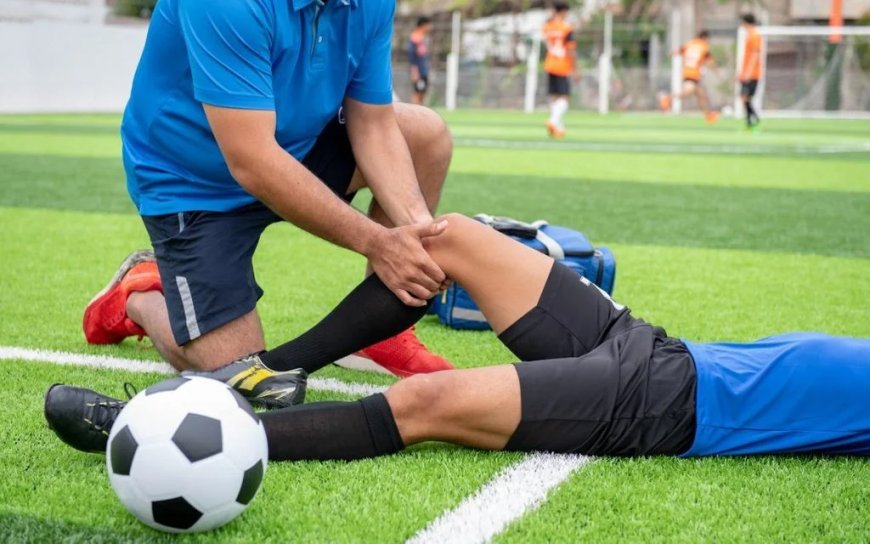
Sports are a great way to stay active, build strength, and improve endurance, but they also come with the risk of injuries. Sprains, strains, tendonitis, and muscle tears are common issues that athletes and active individuals face. While professional sports injury physiotherapy is essential for proper recovery, there are several safe and effective exercises you can perform at home to support healing, maintain mobility, and prevent re-injury.
Understanding Sports Injury Physiotherapy
Sports injury physiotherapy is a specialized branch of physiotherapy focused on diagnosing, treating, and rehabilitating injuries related to physical activity. Physiotherapists assess the type and severity of the injury, design tailored exercise programs, and guide patients through recovery.
Benefits of sports injury physiotherapy include:
- Faster recovery from injuries.
- Prevention of future injuries through strengthening and flexibility exercises.
- Pain reduction and improved mobility.
- Guidance on safe return-to-play protocols.
By combining professional guidance with home exercises, you can achieve a faster, safer recovery.
Common Sports Injuries
Some of the most frequent injuries that athletes encounter include:
- Sprains and Strains: Overstretching of ligaments or muscles, often in ankles, knees, and wrists.
- Tendonitis: Inflammation of tendons due to repetitive stress.
- Muscle Tears: Partial or complete tears in muscles from overexertion.
- Knee Injuries: Includes ACL or meniscus tears, common in contact sports.
- Shoulder Injuries: Rotator cuff strains or dislocations.
Addressing these injuries early with proper physiotherapy techniques prevents chronic issues and enhances long-term performance.
Home Exercises for Sports Injury Physiotherapy
Here are some safe exercises that support recovery for common sports injuries. Always consult your physiotherapist before starting a new routine.
1. Ankle Strengthening for Sprains
- Sit on a chair with your feet flat on the floor.
- Lift one foot and rotate it clockwise 10 times, then counterclockwise.
- Repeat with the other foot.
- Use a resistance band for added strengthening once mobility improves.
2. Hamstring Stretch for Knee Strains
- Lie on your back and raise one leg, keeping it straight.
- Hold the back of your thigh or calf gently and stretch for 20–30 seconds.
- Repeat 3–4 times per leg.
3. Shoulder Blade Squeezes for Shoulder Injuries
- Sit or stand with your back straight.
- Pull your shoulder blades together, hold for 5 seconds, and release.
- Repeat 10–15 times to strengthen upper back muscles.
4. Quadriceps Strengthening for Knee Support
- Stand behind a chair and hold for balance.
- Slowly lift one leg backward with the knee straight, hold for 5 seconds, and lower.
- Repeat 10–15 times per leg.
5. Core Stabilization for Lower Back and Hip Injuries
- Lie on your back with knees bent and feet flat.
- Tighten your abdominal muscles and lift your hips into a bridge position.
- Hold for 5–10 seconds and slowly lower.
- Repeat 10–12 times.
These exercises improve flexibility, strengthen supporting muscles, and promote blood circulation, all critical aspects of sports physiotherapy.
Tips for Safe Home Recovery
- Always warm up before exercises and cool down afterward.
- Perform movements slowly and with control to avoid strain.
- Use supports like resistance bands or foam rollers as recommended by your physiotherapist.
- Avoid exercises that cause sharp pain—mild discomfort is normal, but pain is a warning sign.
- Maintain proper nutrition and hydration to support tissue healing.
Combining these habits with professional guidance accelerates recovery and reduces the risk of recurring injuries.
When to Consult a Physiotherapist
While home exercises are valuable, professional evaluation is crucial for moderate to severe injuries. Seek sports injury physiotherapy if you notice:
- Swelling, bruising, or instability in a joint.
- Persistent pain beyond a few days.
- Limited range of motion.
- Recurring injuries despite home care.
- Difficulty returning to sports or daily activities.
A physiotherapist can provide personalized rehabilitation plans, manual therapy, and modalities such as ultrasound or electrical stimulation to enhance recovery.
FAQs
1. Can I do sports injury physiotherapy exercises at home safely?
Yes, but it’s important to follow instructions from a licensed physiotherapist and avoid exercises that cause sharp pain.
2. How long does recovery usually take with physiotherapy?
Recovery depends on the type and severity of the injury. Minor sprains may take 2–4 weeks, while major injuries like ACL tears can take several months.
3. Are sports physiotherapy exercises effective for preventing future injuries?
Absolutely. Strengthening and flexibility exercises improve joint stability and muscle function, reducing the risk of recurring injuries.
4. Can online physiotherapy guide me through exercises at home?
Yes, many physiotherapists offer virtual sessions with personalized exercise plans and supervision to ensure safe practice.
5. When should I stop doing home exercises?
Stop immediately if you experience sharp pain, swelling, or numbness. Consult your physiotherapist to adjust the routine safely.