


























Senior Care Options and the Role of Nursing Professionals
Explore senior care options from home care to nursing homes and memory care. Learn how nursing professionals guide families, provide essential support, and make senior care choices easier.

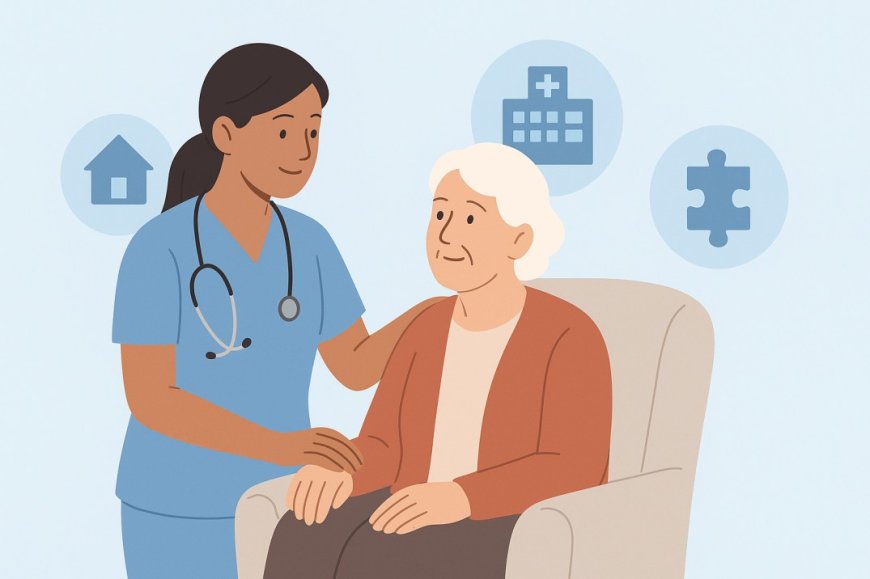
You’re standing in the kitchen, talking with your parents about the next chapter, and suddenly the options feel like a blur. It’s normal to freeze, this decision touches routines, finances, and feelings all at once. Well, here’s the thing: understanding what senior care can look like and who will be there to support your loved one makes the choice easier.
If you’ve searched for a skilled nursing vs nursing home guide, you’re in the right place. This post will walk you through common care options, explain who nurses are and what they do, and give practical steps so you can move forward with more confidence.
Why the Care Choice Matters
Choosing between options isn’t just a label, it changes daily routines, social time, and medical support. You might think “they’ll be fine,” and maybe they will, but clarity matters. When you match the level of care to real needs, you save time, reduce stress, and avoid surprises.
What Really Gets Affected
- Daily independence and mobility
- Medical oversight and emergency help
- Social contact and mental stimulation
- Cost and long-term planning
Think of it this way: the wrong match is like buying shoes that look good but rub after an hour. It’s doable at first, but the discomfort builds. If you keep outcomes in mind, choosing becomes more straightforward.
What Care Options Look Like
When you look at senior care, there isn’t a one-size-fits-all answer; different options meet different needs, and understanding each helps you see what might fit best.
Home Care: Can they stay where their memories live?
Home care brings help to the house, meals, medication reminders, and routine medical checks. It’s ideal if familiarity and privacy matter most. The trade-off is that family or services must manage logistics. Sometimes a nurse visits weekly; other times a caregiver comes daily. That variability is part blessing, part headache.
Assisted Living: How much help is typical?
Assisted living offers private apartments with scheduled meals, housekeeping, and social activities. Staff help with daily tasks, but medical care is lighter. It’s often a good middle ground when structure and company matter more than intensive medical oversight.
Nursing Homes: Who needs 24/7 hands-on care?
Nursing homes provide continuous support for people with significant daily needs. Nurses handle complex care tasks and coordinate with doctors. Expect routines, therapy options, and closer medical supervision.
Skilled Nursing Facilities: Is this about recovery?
Skilled nursing focuses on rehabilitation, post-surgery care, physical therapy, and medical monitoring. Nurses and therapists work together to help someone regain strength or function. Stays can be short and goal-oriented.
Memory Care Units: What makes this different?
Memory care specializes in dementia-related needs with secure layouts and staff trained in behavior management. Safety and routine shape every decision, so the person experiences less confusion and fewer surprises.
The Backbone of Senior Care: Who Are Nursing Professionals?
- Registered Nurses (RNs) oversee care plans, make clinical decisions, and lead during emergencies.
- Licensed Practical Nurses (LPNs) provide routine medical care and monitor ongoing needs.
- Nursing Assistants help with bathing, dressing, and basic comfort tasks.
Together, they do the hands-on work that keeps seniors safe and comfortable. They also pick up subtle changes that family members might miss, changes that can prevent bigger problems later. In my experience, a nurse spotting a small decline early can avoid a hospital visit.
Why Their Work Matters Beyond Tasks
A nurse’s presence affects more than vitals and meds. They offer reassurance, explain shifting plans, and help families understand what’s realistic. Sometimes a single conversation with a nurse calms weeks of worry. You’ll notice the difference when staff remember small details, favorite snacks, music preferences, that make days better.
How Nursing Differs Across Settings
Nursing responsibilities shift depending on the care setting, but the goal remains the same: keeping seniors safe, supported, and progressing. At home, nurses manage medications, check vitals, and guide family caregivers so independence lasts longer.
In assisted living, they oversee care plans, coordinate with staff, and handle emergencies when needed, ensuring residents stay active and well. Nursing homes require more hands-on work, wound care, rehabilitation, and daily medical management, while also keeping families informed.
Skilled nursing facilities focus heavily on recovery; nurses collaborate with therapists and doctors to help patients rebuild strength after illness or surgery. Across these settings, nurses adapt their approach, offering both practical care and reassurance that makes tough transitions a little easier.
Nurses as Guides: How They Help Families Choose
Nurses often become trusted guides when families face confusing choices about senior care. They translate complex medical terms into plain language, explaining what symptoms mean and what steps to expect next.
That clarity removes the pressure of guessing. They also coach families on setting realistic goals and advocate during meetings, stepping in when adjustments are needed. Because nurses see countless cases over time, they recognize patterns and can point out what usually helps and what tends to create problems.
Their experience makes decisions feel less overwhelming, offering practical advice grounded in real-life situations rather than theory or guesswork.
Real Talk: Challenges You’ll Face
Of course, no system is without its struggles, and senior care comes with its own set of challenges that families should be prepared for.
Staffing and Consistency
Nurse shortages can mean shifting staff and less continuity. That’s frustrating, but asking about staff ratios and turnover gives you a practical view of daily life.
Costs and Planning
Long-term care costs add up. Some families use savings; others look at insurance or government programs. Ask early about pricing and potential changes. A frank money talk sets boundaries and reduces future surprises.
Emotional Weight
Guilt, relief, and doubt often arrive together. It’s okay to feel conflicted, and to ask for support. Talk to nurses candidly; their insights often soften hard choices.
Conclusion
Choosing senior care is rarely straightforward, and it often feels like there’s no perfect answer. But with patience and the right guidance, the path becomes less intimidating.
Conversations with nurses, visits to facilities, and small, thoughtful steps can build clarity over time. In the middle of it all, it’s worth noting that caring for seniors is also a growing career path, with genuine healthcare employment opportunities for those who want to make a difference. What matters most is finding an option that respects your loved one’s needs while giving families confidence to move forward.


