


























Science Behind Cementitious Fireproofing That Resists Extreme Heat
Fire is one of the most serious threats to the safety of any building. Across Canadian cities, it is not just the presence of flames that creates danger, but the way heat spreads quickly through steel and concrete. Structures that look indestructible in normal conditions can weaken within minutes once exposed to high heat. That is why fire protection is woven into construction standards across the country. One of the most trusted methods is cementitious fireproofing. It may not draw attention like glass facades or polished finishes, yet its science is the reason buildings stay standing long enough during a fire to protect lives.
Why Buildings Need Fireproofing Beyond the Surface
Steel is known for its strength, but that strength has limits. At around 600 degrees Celsius, it can lose half of its load-bearing capacity. A steel column that supports an entire floor can buckle once it softens under heat. Concrete reacts differently but is not immune. When heat drives moisture out of concrete too quickly, the outer layer cracks and peels, a process known as spalling. Once spalling begins, the inner core is exposed, and structural failure can spread quickly.
Fireproofing is designed to slow that process. It does not make a building fireproof forever, but it buys time. That time can mean the difference between a safe evacuation and disaster. Cementitious fireproofing spray works not as a skin that blocks fire but as a thick barrier that slows heat from reaching the critical parts of a structure.
The Science Within the Mix
Cementitious fireproofing looks simple to the eye. A grey layer spread or sprayed over steel beams and concrete walls. Yet its effectiveness comes from a carefully designed blend of materials.
-
Lightweight aggregates such as vermiculite and perlite are common. Their porous structure holds countless air pockets. Air is a poor conductor of heat, so these pockets create resistance.
-
Binders like Portland cement or gypsum give the material strength and adhesion. Without them, the fireproofing would crumble or detach under stress.
-
Fibres are often added for durability. They reduce cracking and help the material stay intact under thermal expansion.
This mix creates a porous layer that resists heat transfer. When fire strikes, the aggregates slow conduction, the binders hold the structure, and the fibres keep cracks from spreading. The balance of chemistry in cementitious fireproofing is what makes it reliable in extreme heat.
Application Matters as Much as the Material
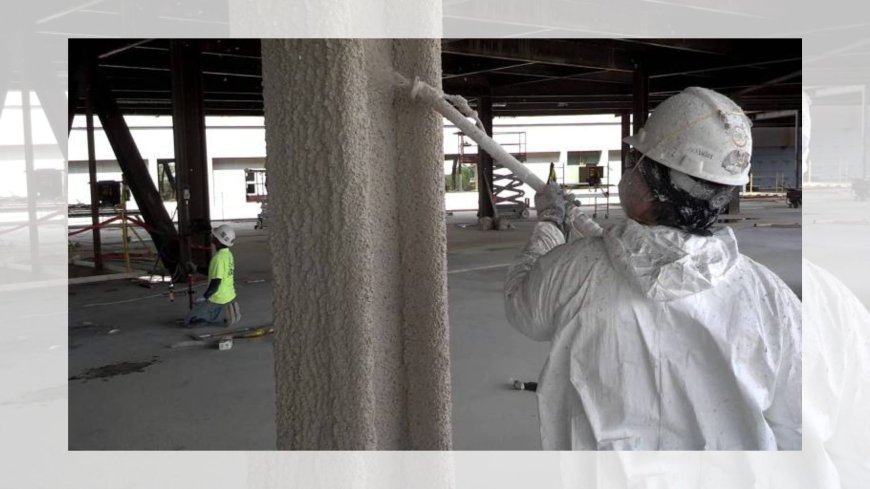
The science does not end with the formula. Application shapes performance just as strongly. Cementitious fireproofing can be applied in different ways depending on the project. Spray application is common for large areas and complex shapes. Hand-trowelled methods are often used for smaller projects or where precision is required.
Thickness is a key factor. Fire resistance ratings are measured in hours, and those hours depend on how much fireproofing is applied. A thin coat will not deliver the same level of protection as a thick, even layer. Engineers calculate exact thicknesses based on building codes and the fire resistance needed for each structure.
Proper surface preparation is also vital. Dust, oil, or moisture can weaken adhesion, leading to gaps. Once applied correctly and cured, cementitious fireproofing bonds tightly with steel or concrete, becoming a long-lasting shield.
Lifespan and Maintenance
Once applied correctly, cementitious fireproofing can last for decades. Its main risk is damage from impact, leaks, or renovations. Regular inspection is needed to confirm that the layer is intact. Repairs are usually simple, as new material can bond to old without weakening the protection.
Advances in mixes have also improved durability. Some modern versions resist abrasion better and hold their strength even in damp environments. These refinements keep cementitious fireproofing relevant and effective across many types of structures.
A Human Purpose Behind the Science
The formulas, aggregates, and test results are the technical side. But the deeper reason for cementitious fireproofing is human. Fires spread fast. Buildings can fail in minutes. Every extra hour of stability means more lives saved, more people out safely, and more room for firefighters to act. Cementitious fireproofing may look simple, but its science is built for those minutes that matter most.
Conclusion: Fire Proofing Kings and Their Role
Cementitious fireproofing is a proven shield against extreme heat. It slows conduction, resists cracking, and keeps steel and concrete from reaching failure point too quickly. Tested under fire and trusted across Canadian construction, it remains one of the most reliable methods of protection. It is more than just a layer of grey material. It is the science of chemistry and physics applied to real safety.
Fire Proofing Kings plays a strong role in delivering that safety. Their team applies cementitious fireproofing with precision and care, ensuring each project meets both code and performance standards. From large towers to smaller projects, they make sure surfaces are prepared, thickness is accurate, and application is even.


