Positive Dog Training – Benefits for Puppies

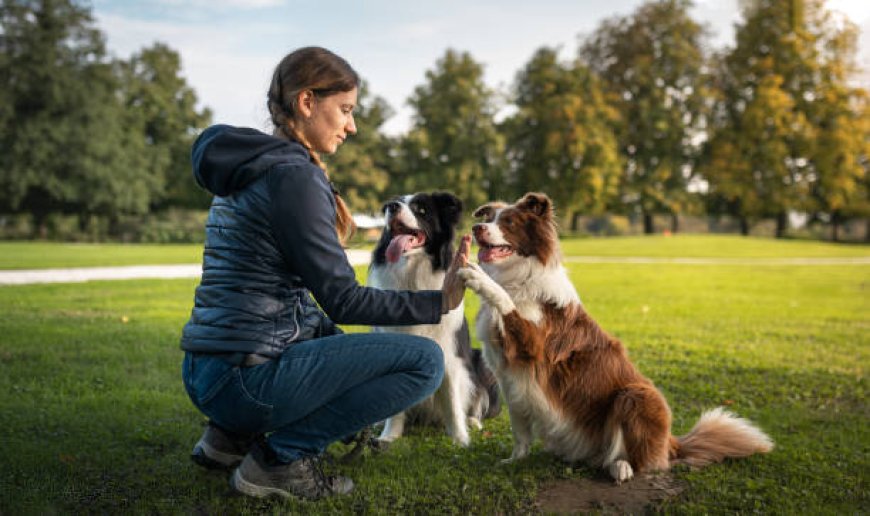
Positive Dog Training Benefits for Puppies is one of the most important investments an owner can make in their new companion's future. The first few months of a puppy's life are a critical developmental period, and the experiences they have during this time will shape their personality and behavior for years to come. By using a positive, reward-based approach, you can ensure that your puppy's early learning experiences are fun, enriching, and confidence-building. This lays the groundwork for a lifetime of good manners, a strong bond, and a well-adjusted adult dog. It's not just about teaching a puppy to sit or stay; it's about helping them navigate the world with confidence and trust.
Why Early Training Shapes Lifelong Behavior
Early training is so important because it happens during a puppy's most impressionable stage. A puppy's brain is like a sponge, and they are forming habits and associations at a rapid pace. By using a Positive Dog Training approach, you can ensure that the habits they form are good ones. For example, by using positive reinforcement to crate train a puppy, you can teach them to see their crate as a safe, comfortable den, rather than a place of punishment. This can prevent a wide range of future problems, such as separation anxiety or destructive behavior. Similarly, early socialization with a variety of people, sounds, and other dogs helps to prevent a puppy from developing fears or reactivity later in life. The lessons learned during this critical period have a lasting impact on a dog's lifelong behavior.
Positive Reinforcement During Critical Growth Stages
Using positive reinforcement during critical growth stages is essential for a puppy's development. The socialization window, typically from 3 to 16 weeks, is a time when puppies are particularly receptive to new experiences. During this period, every new interaction should be paired with a positive reward, whether it's a treat, a toy, or a kind word. This helps the puppy to associate new things with good feelings, which builds confidence and a sense of security. Positive Dog Training during this time is not about forcing a puppy to do something they are afraid of; it's about gently encouraging them to explore their world and rewarding them for their bravery. This compassionate approach ensures that a puppy grows into a happy, well-adjusted adult.
Preventing Problem Behaviors Before They Start
One of the biggest benefits of early Positive Dog Training is its ability to prevent problem behaviors before they even start. For example, a puppy who is taught that chewing on their own toys is rewarded with praise and a treat is less likely to chew on furniture. A puppy who learns that pottying outside leads to a high-value reward is less likely to have accidents inside. By proactively teaching a puppy the behaviors we want, we can avoid the frustration of trying to correct bad habits later. This preventative approach is more effective and less stressful for both the owner and the dog. Its an investment in a harmonious future.
Building a Confident, Social Puppy
A key goal of early Positive Dog Training is to build a confident, social puppy. A well-socialized puppy is one who is comfortable and happy in a wide range of situations. They are not afraid of new people or other dogs, and they can handle new noises and environments without becoming stressed. A positive approach to socialization involves controlled, rewarding exposures to new things. This might mean having a puppy meet a variety of people, introducing them to the sounds of a vacuum cleaner, or taking them on a short car ride. By making these experiences fun and positive, you can help your puppy develop the confidence they need to thrive in the world.
Conclusion: Starting positive training early pays off for life.
In conclusion, starting Positive Dog Training early is one of the best things you can do for your puppy. By using positive reinforcement during their critical growth stages, you can shape their lifelong behavior, prevent future problems, and build a confident, social companion. The time and effort you invest in early training will pay off for a lifetime, creating a bond that is based on trust, respect, and mutual understanding.