Physical Therapists Reveal Their Top Frozen Shoulder Exercises

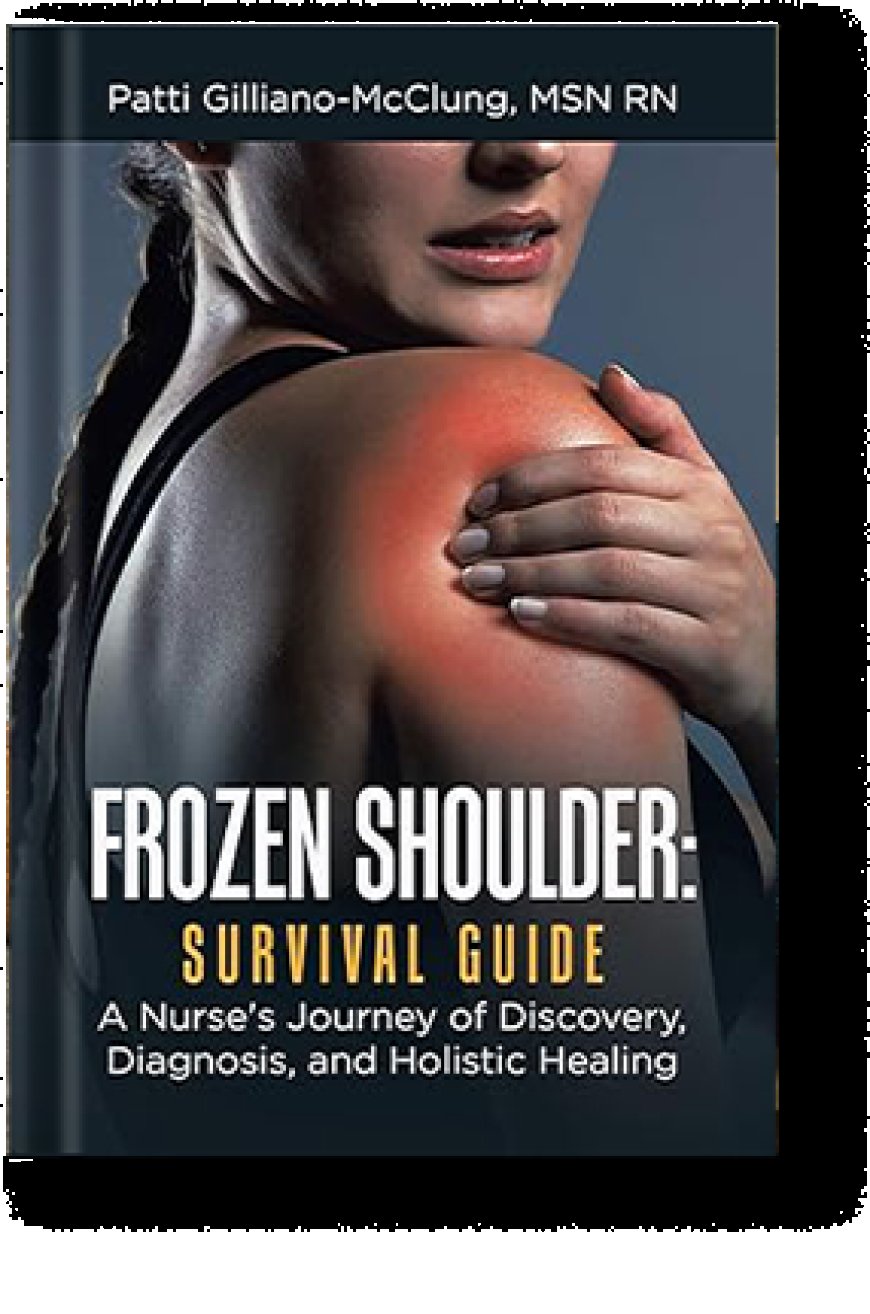
Living with a stiff, painful shoulder can feel like you’re carrying an invisible weight all day. That’s exactly how frozen shoulder, or adhesive capsulitis, often shows up—slowly limiting movement until even brushing your hair becomes a chore. The good news? With the right exercises and consistent care, you can thaw that shoulder and reclaim your daily life.
This in-depth guide brings together insights from experienced physical therapists who share their most trusted moves for frozen shoulder rehab. Whether you’re just starting to notice tightness or you’re deep in the “frozen” phase, these expert strategies can help you move more freely.
1. Understanding Frozen Shoulder
Think of your shoulder joint as a ball inside a roomy sleeve. With frozen shoulder, that sleeve shrinks and tightens, making movement painful. Doctors aren’t always sure why it starts, but it often follows injury, surgery, or prolonged immobility. Knowing this helps you stay patient—recovery is possible but takes steady effort.
2. Why Early Action Matters
The sooner you begin gentle movement, the better your outcome. Early action keeps muscles engaged and prevents further stiffening. Imagine catching a small leak before it floods the house—addressing the problem early saves time and discomfort.
3. Phases of Frozen Shoulder
Physical therapists describe three stages:
- Freezing: Increasing pain and gradual loss of motion.
- Frozen: Pain may ease, but stiffness peaks.
- Thawing: Range of motion slowly returns.
Understanding your phase helps you pick the right exercises and pace.
4. Preparing Safely for Exercise
Before you dive in, check with your healthcare provider. Wear loose clothing, keep a warm compress handy, and set aside distraction-free time. Comfort and consistency matter more than intensity.
5. Gentle Warm-Up Techniques
A few minutes of heat—like a warm shower or heating pad—can loosen tissues. Slow pendulum swings, where you let your arm dangle and move in small circles, also wake up the joint.
6. Top Passive Stretching Exercises
These moves rely on gravity or your other arm to help stretch the tight capsule.
- Cross-Body Reach: Use your good arm to bring the stiff arm across your chest.
- Towel Stretch: Hold a towel behind your back and gently pull upward with the opposite hand.
Perform each stretch slowly, breathing deeply.
7. Active Range-of-Motion Moves
Once pain lessens, start moving the shoulder using its own power.
- Wall Walks: “Climb” your fingers up the wall to lift your arm.
- External Rotation: Keep your elbow at your side and rotate outward with a light band.
These build confidence and gradually expand mobility.
8. Strengthening for Lasting Results
Strength keeps the gains you earn. Focus on rotator cuff and shoulder blade muscles using light resistance bands. Start small—quality beats quantity.
9. Everyday Posture Tips
Hunched shoulders tighten the joint. Sit tall, keep screens at eye level, and avoid cradling your phone. Small daily habits support healing as much as formal exercise.
10. Tools and Props That Help
Foam rollers, resistance bands, and even a simple doorway can enhance your routine. They provide gentle assistance without straining the joint.
11. How to Track Your Progress
Record how far you can reach each week or note pain levels on a 1–10 scale. Seeing gradual improvement keeps motivation high.
12. Common Mistakes to Avoid
Rushing or forcing movement can backfire. Skip heavy lifting until your therapist gives the green light, and never “push through” sharp pain.
13. When to Seek Professional Help
If pain worsens or you can’t perform daily tasks, it’s time to consult a licensed physical therapist or physician. A professional can tailor exercises and, if needed, suggest medical treatments.
14. Real-Life Success Stories
Many find hope in hearing others’ journeys. One inspiring example is Patricia Gilliano, who regained full motion after months of gentle, consistent exercise and professional guidance. Her story reminds us that persistence pays off.
15. Key Takeaways and Next Steps
Consistency, patience, and proper guidance are your best allies. Begin with gentle stretches, progress gradually, and celebrate each small gain.
Conclusion
A frozen shoulder might feel like your arm is locked in ice, but daily, mindful movement can melt that restriction. Work with your healthcare provider, listen to your body, and follow these therapist-approved exercises. Over time, you’ll rediscover the simple joys of reaching, lifting, and living without pain.
FAQs
1. How long does frozen shoulder rehab usually take?
Most people see significant improvement within 6–12 months, though some recover faster with consistent therapy.
2. Can I do these exercises at home without supervision?
Yes, if your doctor approves. Start slowly, follow instructions carefully, and stop if you feel sharp pain.
3. Will medication speed up my recovery?
Pain relievers or anti-inflammatory meds can help with comfort, but movement and stretching are key for lasting results.
4. Is frozen shoulder preventable?
Regular shoulder movement after injury or surgery lowers risk. Early gentle exercises are the best prevention.
5. When should I see a doctor instead of just exercising?
Seek medical advice if pain worsens, you lose more motion, or home care shows no improvement after a few weeks.