Organic Wood Finish: Pure Protection for Every Surface
Learn how an organic wood finish protects decks, furniture, and shutters naturally. Discover product tips, application steps, and eco-friendly benefits.
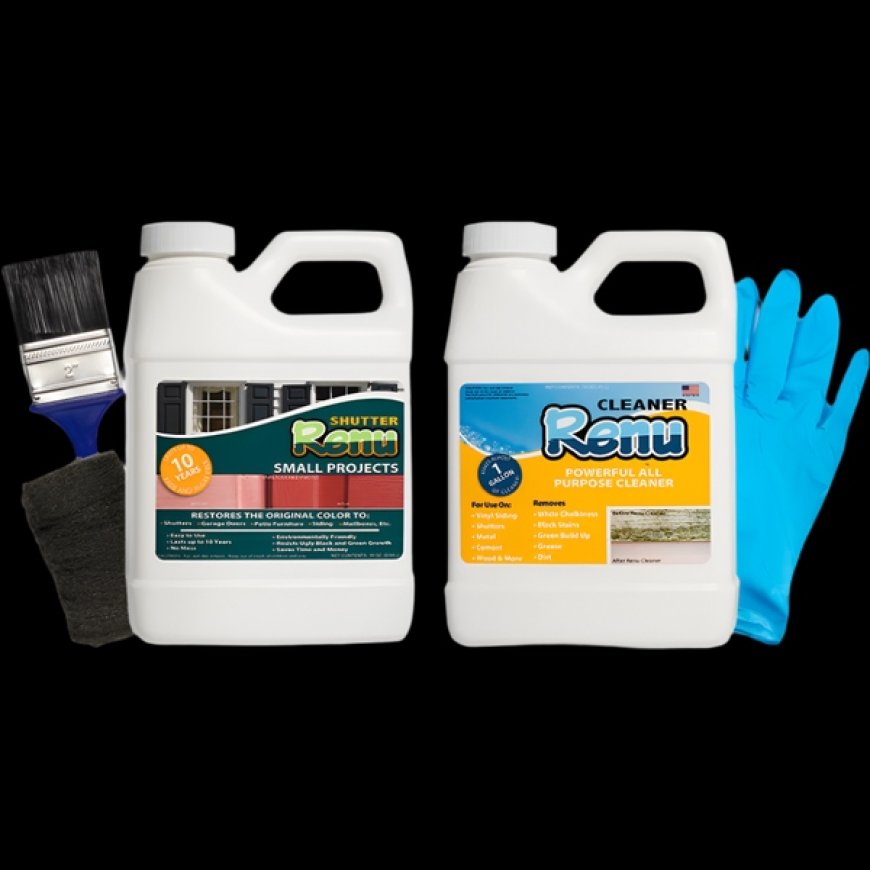
A growing number of homeowners want the warmth of real wood without the fumes or peeling that come with traditional varnishes. Enter the organic wood finish—a plant-based solution that nourishes and seals wood safely indoors or out. If your curb appeal needs a quick boost before you dive into full-scale finishing, try the professional-grade shutter restorer to revive faded shutters in minutes.
Why Choose an Organic Wood Finish?
Low-VOC products are good; truly organic finishes are better. They rely on renewable oils such as linseed, tung, or coconut, combined with natural waxes and mineral pigments. Key advantages include
• Zero petrochemical solvents, so no harsh odor or off-gassing
• Food-safe ingredients—ideal for cutting boards, children’s toys, and dining tables
• Flexible, breathable coating that moves with wood, preventing cracks and peels
• Biodegradable formulation, reducing environmental impact during manufacturing and disposal
Data from independent lab tests show organic finishes cut VOC emissions by up to 95 % compared with conventional polyurethanes while matching or exceeding durability in interior settings.
How Organic Finishes Work
Unlike film-forming varnishes that sit on top, natural oils penetrate deep into fibers. As they polymerize, they strengthen the cell walls and repel moisture from the inside out. A thin wax layer on the surface then provides scratch resistance and a subtle sheen. The result is a “hand-rubbed” look that highlights grain without creating a plastic-like barrier.
Selecting the Right Formula
-
Base Oil—Tung offers superior water resistance; linseed enhances warm tones; hemp dries quickly in humid climates.
-
Additives—Look for plant-based dryers like cobalt-free manganese for faster curing without toxins.
-
Color—Iron oxide tints provide UV protection and earthy hues that age gracefully.
-
Certification—USDA Certified Biobased and UL Greenguard Gold verify renewable content and low emissions.
While shopping, you’ll likely compare oil-only finishes with hybrids that add resin for extra durability. Hybrids cost more upfront but may double the maintenance interval on exterior wood.
Surface Preparation: The Foundation of Success
• Inspect wood, replacing boards with deep rot or insect damage.
• Clean using a mild citrus or hydrogen-peroxide solution; rinse with a garden hose at low pressure.
• Brighten gray cedar or redwood with an oxalic acid wash to restore natural color.
• Sand lightly with 120-grit paper to remove raised grain and open pores for better absorption.
• Ensure moisture content is below 15 %—a $15 meter prevents costly adhesion issues.
Application Steps in Detail
-
Stir the finish slowly to avoid bubbles.
-
Use a lint-free cloth or natural-bristle brush, working along the grain.
-
Allow the oil to soak for 10–15 minutes, then wipe excess with a clean rag to prevent surface tack.
-
For exterior projects, apply a second coat after 24 hours. Indoor furniture may need a third thin coat for a satin glow.
-
Cure time ranges from 48 hours for touch handling to seven days for full hardness.
If you’re tackling decking and want deeper color in one step, consider a non toxic wood stain formulated with soy oil and waterborne pigments; you can top it later with a dedicated organic finish for extra weatherproofing.
Cost and Longevity Comparison
• Traditional polyurethane: $35/qt, lasts 3–5 years indoors, prone to chipping.
• Organic oil-wax blend: $28/pt, lasts 4–7 years indoors and is simple to refresh without sanding.
Because organic coatings don’t peel, maintenance involves cleaning and adding a fresh coat—no stripping, no dust-filled weekends, and far fewer materials heading to the landfill.
Real-World Case Study
A Midwest homeowner treated a 300-sq-ft red oak floor with an organic hemp-oil finish. Material cost totaled $120; annual touch-up oiling requires just one pint and two hours of light labor. Five years in, the floor retains its luster with zero flaking—proof that eco-friendly solutions can outlast synthetic options while saving money.
Sealing Specialty Items
Cutting Boards—Warm the oil slightly before application so it penetrates tight end grain.
Outdoor Furniture—Add a thin coat every spring; UV darkens surface evenly over time, creating a rich patina.
Musical Instruments—Use ultra-refined oils free of citrus to prevent allergic reactions and maintain acoustic resonance.
For a ready-made buffing topcoat, an Organic wood finish that blends beeswax with coconut oil delivers a smooth, food-safe sheen and pleasant natural aroma.
Maintenance Schedule
Spring: Wipe surfaces with a damp cloth; spot-treat water rings using fresh oil.
Autumn: Perform a full clean and re-oil high-traffic zones before winter dryness sets in.
Every 3–4 Years Outdoors: Lightly sand and recoat to renew UV protection; interior items may stretch to five-year intervals.
Summary
An organic wood finish offers a healthy, sustainable path to preserve the beauty of decks, floors, and furniture. By penetrating fibers with plant oils and sealing with natural waxes, it delivers robust moisture defense, rich color, and an easy maintenance routine—no toxic fumes or labor-intensive stripping required. Choose the right formulation, prepare your surface well, and follow straightforward application steps, and you’ll enjoy wood that looks stunning, feels natural, and supports a cleaner planet.