Metal Expansion Joints: Enhancing Safety and Flexibility in Piping Systems

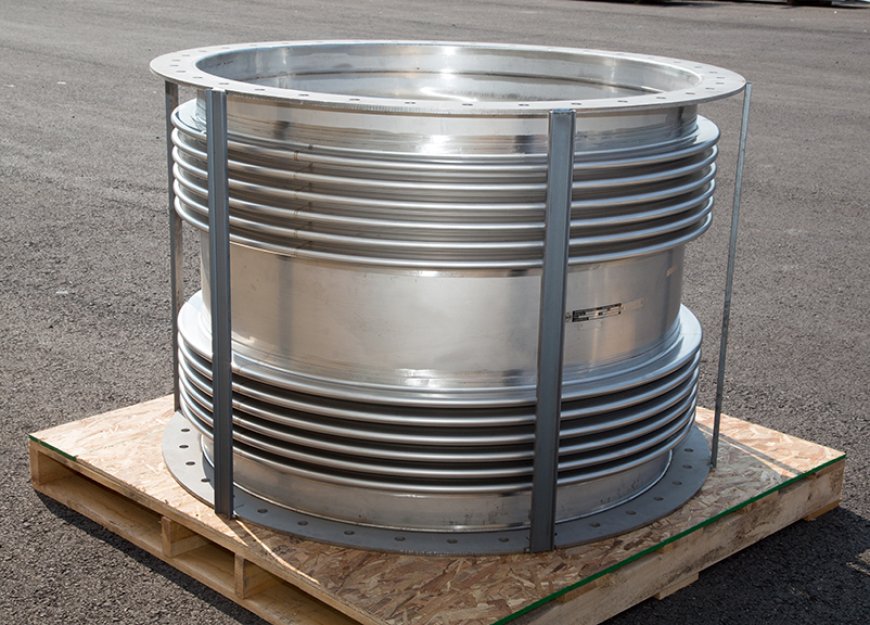
Industrial piping systems face constant challenges due to pressure changes, vibrations, and thermal expansion. One key solution to these challenges is the metal expansion joint. Designed to absorb movement and reduce stress on pipelines, metal expansion joints are essential in industries such as power generation, chemical processing, oil and gas, and HVAC systems.
These components may not always be visible, but they play a critical role in ensuring the safety, durability, and efficiency of complex piping networks.
What Are Metal Expansion Joints?
Metal expansion joints, also known as compensators, are flexible connectors made from thin-walled stainless steel or other high-strength alloys. Their unique design allows them to absorb thermal expansion, vibrations, and misalignments in piping systems.
They typically consist of a bellows (a flexible, corrugated section), end fittings, and sometimes protective covers. The bellows act as the “heart” of the expansion joint, allowing controlled movement without compromising the pipeline’s integrity.
Why Are They Necessary?
1. Thermal Expansion
Pipes expand and contract with temperature changes. Without expansion joints, these movements would cause cracks, leaks, or even system failure.
2. Vibration Absorption
Pumps, turbines, and compressors generate vibrations. Metal expansion joints reduce the transmission of these vibrations, protecting equipment.
3. Misalignment Compensation
During installation or due to shifting foundations, pipes often become misaligned. Expansion joints bridge these small gaps.
4. Pressure Resistance
Metal expansion joints are designed to handle high-pressure conditions without losing flexibility.
Key Benefits of Metal Expansion Joints
-
Durability – Made from stainless steel, they resist corrosion and last longer under harsh conditions.
-
Flexibility – They can accommodate axial, lateral, and angular movements.
-
Compact Design – Unlike other compensators, they don’t require much installation space.
-
Cost Efficiency – By reducing stress on pipelines, they prevent costly damage and downtime.
Common Applications
Power Plants
Expansion joints handle extreme temperature changes in steam pipelines.
Chemical and Petrochemical Industries
They are used in chemical plants where high pressure and corrosive fluids flow through the systems.
HVAC Systems
Metal expansion joints reduce vibration and thermal stress in heating and cooling systems.
Oil and Gas
Pipelines transporting crude oil and natural gas rely on expansion joints to remain safe under fluctuating conditions.
Marine Applications
Ships use them in engine rooms and exhaust systems to handle vibration and thermal expansion.
Types of Metal Expansion Joints
-
Axial Expansion Joints – Handle movement along the pipe’s axis.
-
Lateral Expansion Joints – Designed to absorb sideways displacement.
-
Angular Expansion Joints – Absorb bending movements in one or more planes.
-
Universal Expansion Joints – Combine axial, lateral, and angular capabilities for maximum flexibility.
Material Considerations
The choice of material depends on operating conditions:
-
Stainless Steel – Corrosion resistance and high strength.
-
Nickel Alloys – For extreme temperatures and corrosive environments.
-
Carbon Steel – Suitable for less demanding applications.
Installation Best Practices
-
Ensure proper alignment before installation.
-
Avoid overextending or compressing the bellows.
-
Use protective covers in high-traffic or abrasive environments.
-
Always follow manufacturer guidelines for torque and positioning.
Improper installation can drastically reduce the lifespan of an expansion joint.
Maintenance and Safety
Regular inspection is crucial to prevent system failures. Look for:
-
Bellows Cracks or Leaks – Indicate fatigue or corrosion.
-
Loose Bolts and Fittings – May cause vibration and leakage.
-
Unusual Vibrations – Could signal misalignment or excessive pressure.
Scheduled maintenance ensures optimal performance and safety.
Challenges in Using Metal Expansion Joints
-
Fatigue from Repeated Stress – Continuous expansion and contraction can lead to cracks.
-
Corrosion – Even stainless steel can corrode if exposed to harsh chemicals.
-
Improper Sizing – Choosing the wrong type or size can lead to premature failure.
Working with trusted suppliers ensures the joints are designed for the system’s specific needs.
Choosing the Right Metal Expansion Joint
When selecting a metal expansion joint, consider:
-
Operating Temperature and Pressure
-
Expected Movements (Axial, Lateral, Angular)
-
Pipe Size and Layout
-
Type of Fluid or Gas
-
Compliance with Industry Standards
Reliable manufacturers like Hose Master offer a wide variety of tested and certified expansion joints tailored to different industries.
Conclusion
The metal expansion joint may seem like a small part of a large piping system, but its role is enormous. By absorbing thermal movements, compensating for misalignment, and reducing vibration, it protects pipelines and ensures long-term efficiency.
Industries that invest in high-quality expansion joints experience fewer breakdowns, safer operations, and reduced costs over time. With proper installation and maintenance, metal expansion joints prove to be a critical safeguard for modern infrastructure.