Is the English Horn a Brass Instrument? A Detailed Exploration
The English horn is a captivating woodwind instrument known for its rich, mellow tone and evocative sound.
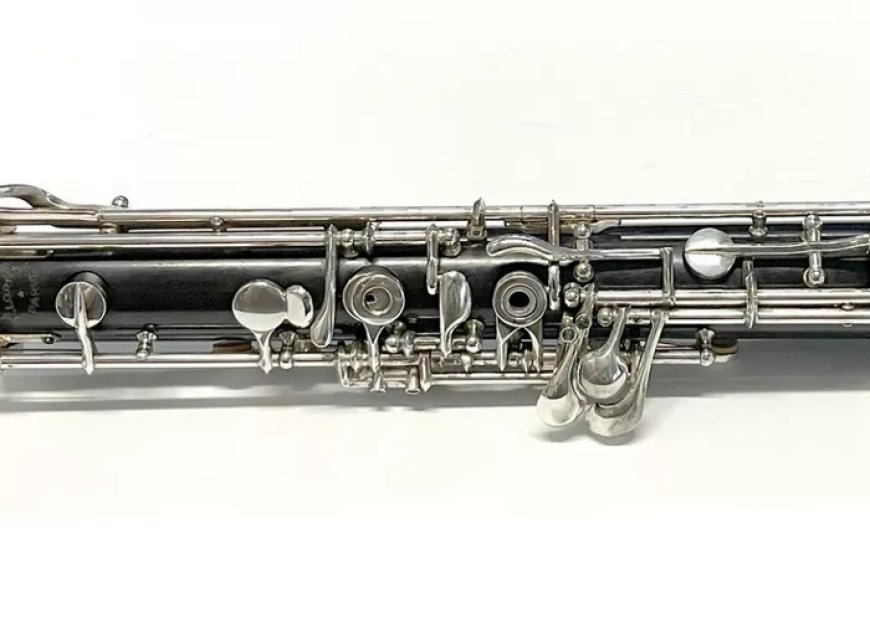
The English hornis a captivating woodwind instrument known for its rich, mellow tone and evocative sound. Despite the word horn in its name, many wonderif the English horn actually belongs to the brass familyor the woodwind family. This article delves deeply into the instruments classification, history, structure, sound production, and its role inorchestrasto answer that very question.
Defining Brass and Woodwind Instruments
To understand if the English horn is a brass instrument, its important first to clarify what setsbrass instrumentsapart from woodwinds. Brass instruments typically produce sound when the player buzzes their lips into a metalmouthpiece. Examples include thetrumpet, trombone, andtuba. These instruments are made primarily of brass or other metals and rely heavily on lip vibration to create their characteristic sound.
Woodwind instruments, on the other hand, usually produce sound by splitting the air on an edge (as in flutes) or by vibrating a reed (as in clarinets, oboes, and saxophones). These instruments are often made from wood or metal but are classified by their sound production method, not by their material.
The English Horns True Classification
The English horn is unequivocally a woodwind instrument, not a brass instrument. This classification is based on how the sound is produced and the instruments construction.
The English horn belongs to theoboefamily. It is essentially an alto or tenor version of the oboe and produces sound using a double reed. The player blows air into the double reed, causing the two pieces of cane to vibrate against each other, which generates the instruments unique tone. This reed-based sound production method firmly places the English horn in the woodwind category.
Why the Name Horn Can Be Confusing
The word horn in the English horns name can mislead many into thinking it is related to brass instruments such as theFrench hornor other brass horns. Historically, horn was a more general term applied to severalwind instruments. The English horns name is thought to be a mistranslation of the German Englisch Horn, which actually means angle horn a reference to the instruments bent shape rather than its material or family.
English Horn Construction and Materials
The English horn is traditionally made from wood, typically grenadilla or rosewood. This wooden construction contrasts with brass instruments, which are made of brass or other metals.
Its body is longer than that of an oboe and has a distinct curved metal crook (bocal) leading to the reed. Thebellof the English horn often flares out in a pear shape, distinguishing it visually and acoustically from the oboe and brass horns.
The Reed and Sound Production
The double reed of the English horn is one of its most critical features. It consists of two thin pieces of cane tied together that vibrate when the player blows air through them. The reeds vibration sets the air column inside the wooden body into motion, producing the instruments characteristic sound.
This reed mechanism is a hallmark of woodwind instruments, clearly separating the English horn from brass instruments that rely on lip vibration.
Sound Characteristics of the English Horn
The English horns tone is known for being dark, rich, and hauntingly beautiful. Its range is deeper and more mellow compared to the brighter, more piercing sound of the oboe.
In orchestras and chamber music, the English horn is often used to evoke melancholy or pastoral moods. Its sound blends well with strings and other woodwinds but contrasts sharply with the brighter, brassy timbres of brass instruments.
The Role of the English Horn in the Orchestra
The English horn is a staple woodwind instrument in orchestras worldwide. Its unique voice adds emotional depth and color to musical works, from classical symphonies to film scores.
Notable composers like Dvo?k, Sibelius, and Berlioz have written famous solos for the English horn, showcasing its distinctive tone. These pieces emphasize the woodwind qualities of the instrument rather than anything brass-like.
How to Identify the English Horn in an Ensemble
If youre unsure whether an instrument is brass or woodwind during a performance, listen for the tonal quality and observe the players technique. The English horns double reed sound is reedy and nasal, unlike the bold, brassy sound of brass instruments.
Visually, the English horn player holds the instrument vertically with both hands, using fingerkeyssimilar to the oboe, while brass players hold instruments like horns, trumpets, or trombones differently.
Comparison Between English Horn and Brass Instruments
Understanding the differences between the English horn and brass instruments highlights why the English horn is not a brass instrument:
Sound Production:English horn uses a double reed; brass instruments use buzzing lips.
Material:English horn is made of wood; brass instruments are made of metal.
Mouthpiece:English horn uses a reed mouthpiece; brass instruments use a cup-shaped mouthpiece.
Playing Technique:The English horn requires reed control and breath support; brass instruments requireembouchureand lip vibration control.
Historical Evolution of the English Horn
Tracing the English horns history also helps clarify its classification. The instrument evolved from the oboe family during the 18th century as musicians sought a lower-pitched oboe variant.
Throughout history, its design, reed, and playing technique have aligned with woodwind practices, never brass. Its lineage firmly roots it within the woodwind tradition.
Common Misconceptions About the English Horn
Because of its name and horn-like bell, some people assume the English horn is a brass instrument. Others confuse it with the French horn or the natural horn, which are brass instruments.
However, the name English horn is somewhat archaic and misleading. Today, professional musicians, educators, and manufacturers universally classify it as a woodwind instrument.
Famous Pieces Featuring the English Horn
Several iconic compositions highlight the English horns unique voice:
Dvo?ks New World Symphony English horn solo in the second movement.
Ravels Bolro English horns distinct melodic line.
Sibeliuss The Swan of Tuonela English horn solo evokes a somber mood.
These pieces demonstrate the instruments expressive woodwind qualities and cement its place in orchestral literature.
The English Horn in Modern Music
Beyondclassical music, the English horn has found a place in jazz, film scores, and contemporary ensembles. Its warm, expressive voice is often used to add color and emotion that brass instruments cannot replicate.
This modern versatility underscores the English horns distinct identity apart from brass instruments.
Conclusion
The English horn is a beautifully expressive woodwind instrument, firmly classified within the oboe family due to its double reed sound production, wooden construction, and playing technique. Despite its misleading name and horn-shaped bell, it is not a brass instrument.
Understanding the distinctions between brass and woodwind instruments clarifies the English horns place in the musical world. Its haunting, lyrical sound and rich history make it a vital voice in orchestras and beyond.
If you ever wonder, Is the English horn a brass instrument? the answer remains a confident and clear No. It is one of the most cherished woodwind instruments in the world.