Inside the Booth: What Really Happens During a Recording Studio Session
Step inside the booth and explore what happens during a recording studio session, from setup to mixing, capturing the journey of music creation

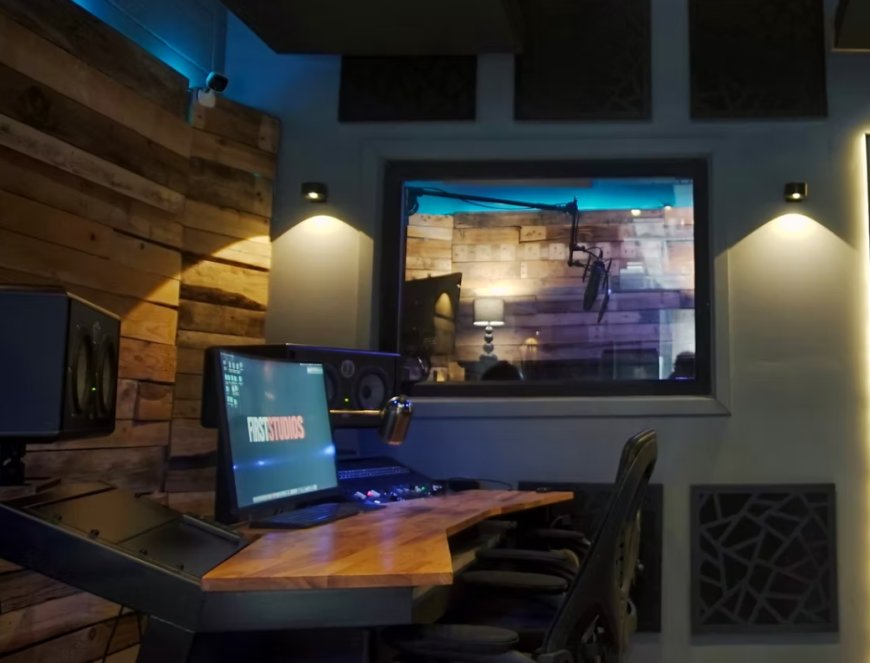
Walking into a recording studio for the first time can be both exciting and intimidating. For artists, musicians, and producers, this space is more than just a room with microphones and mixing consolesits where creativity transforms into tangible sound. The studio sets the stage for collaboration, experimentation, and refinement, guiding every performer toward a polished track. From the initial setup to the final playback, each stage of the process holds its own importance in shaping the outcome.
Pre-Session Preparations: The Foundation of Quality
Long before the red light turns on, preparation plays a key role. Engineers and producers begin by setting up the recording environment. Microphones are positioned carefully, cables are tested, and instruments are tuned. These details, though often unnoticed by the artist, directly impact the clarity and richness of the final sound.
Artists, on the other hand, prepare vocally or instrumentally, running through warm-ups to ensure theyre ready to perform at their best. This stage eliminates technical obstacles so the focus stays on performance rather than troubleshooting. A smooth setup paves the way for a productive day in the booth.
Understanding Roles: Whos Who in the Studio
A recording session involves far more than just the artist. The studio is a collaborative space where different professionals contribute to the process:
-
Producer: Acts as the creative director, guiding the vision of the track.
-
Sound Engineer: Manages the technical side, handling equipment and ensuring high-quality sound capture.
-
Artist: Brings the performancewhether vocals, instruments, or both.
-
Session Musicians: Sometimes brought in to add depth and layers to the arrangement.
When these roles work in sync, the session flows seamlessly, blending creativity with precision.
The Creative Flow: Capturing the First Take
Once the groundwork is ready, its time to hit record. The first takes often serve as warm-ups, giving the artist a chance to settle into the moment. Engineers adjust levels, experiment with mic placements, and tweak the acoustics of the room to capture the best possible sound.
The beauty of the studio lies in its controlled environment. Unlike live performances, mistakes dont ruin the trackthey provide opportunities to refine. Artists are encouraged to try different approaches, experiment with delivery, and push their boundaries. Every take adds to the creative exploration that ultimately leads to the strongest version of the song.
Layering the Sound: Building the Track Step by Step
Music is rarely captured in a single performance. Instead, recording often happens in layers. The foundation might begin with drums or rhythm instruments, followed by bass, guitars, keyboards, and finally, vocals. Each element is recorded separately to ensure maximum control during mixing.
This process allows for flexibility. If the guitar tone doesnt sit well with the vocals, adjustments can be made without affecting the rest of the track. Its a meticulous process, but one that ensures the final product reflects both the artists vision and professional sound quality.
The Role of Overdubbing and Harmonies
Overdubbing is where creativity truly expands. Once the primary tracks are captured, additional layers like harmonies, background vocals, or instrumental flourishes are added. These details enrich the music, giving it texture and depth.
For vocalists, this might mean recording multiple harmonies that blend into a full chorus effect. For instrumentalists, it could mean layering melodies to build complexity. While subtle, these layers often make the difference between a simple recording and a dynamic, polished track.
The Power of Mixing: Sculpting the Sound
After recording comes mixinga stage that transforms raw takes into a cohesive track. The mixing engineer balances levels, adjusts frequencies, and adds effects such as reverb or delay to enhance the mood. Instruments are panned across the stereo field to create a sense of space, ensuring each element has its place.
Mixing is where the vision starts to come alive. A soft vocal can be brought forward for intimacy, while a booming drum section can be emphasized to create impact. The goal is balanceevery sound must serve the overall song without overshadowing the others.
The Final Touch: Mastering the Track
Mastering is the last stage of the process. Here, the track is fine-tuned for distribution, ensuring it sounds polished across different platformsstreaming services, radio, or physical formats. Mastering engineers adjust dynamics and volume, making sure the track maintains its integrity regardless of playback system.
This step is often overlooked by casual listeners but is crucial in achieving a professional sound. A well-mastered track ensures that the effort poured into the recording session reaches listeners in the best possible form.
The Emotional Journey of Recording
Beyond the technical aspects, a recording session is an emotional experience. Artists pour their energy, vulnerability, and personality into every take. For many, the studio is where self-expression feels both personal and shared, as ideas bounce between the performer and the team behind the glass.
Moments of frustrationmissed notes, repeated takes, or creative disagreementsare balanced by breakthroughs when everything finally clicks. These highs and lows are part of the process, shaping not just the final track but also the growth of the artist.
Collaboration as the Core of Success
At its heart, the studio is about collaboration. Even solo artists rely on producers and engineers to shape their sound. Successful sessions thrive on communicationlistening, sharing feedback, and adjusting based on what works and what doesnt.
Collaboration also opens doors to innovation. A producer might suggest a new arrangement, or a session musician could add an unexpected element that changes the track entirely. These moments of synergy are what make studio recordings timeless.
The Last Playback: Hearing the Vision Realized
As the session winds down, artists and producers gather for the final playback. This is the moment of reflectionhearing all the pieces come together into a single body of work. Whether its the rough mix or the mastered version, playback offers both satisfaction and insight. Sometimes, it sparks new ideas, leading to another round of recording. Other times, it confirms that the vision has been fully realized.
Conclusion
A recording studio is more than a technical spaceits the birthplace of creativity and sound design. Every step, from preparation and performance to mixing and mastering, plays a role in shaping music that connects with listeners. The process is demanding, but its also rewarding, blending artistry with precision in ways that live on through every track produced.
Walking away from a recording studio session, both artists and teams carry with them not just a finished track but also the memory of collaboration, creativity, and growth that happened inside the booth.