How to Wash Cotton Fabric Without Losing Shape
This guide explains how to wash cotton fabric without losing shape, covering preparation, water temperature, detergents, machine settings, drying, and storage. It also highlights care for organic cotton, denim, and blends while offering troubleshooting tips. Follow these steps to extend garment life and keep cotton clothing looking fresh.
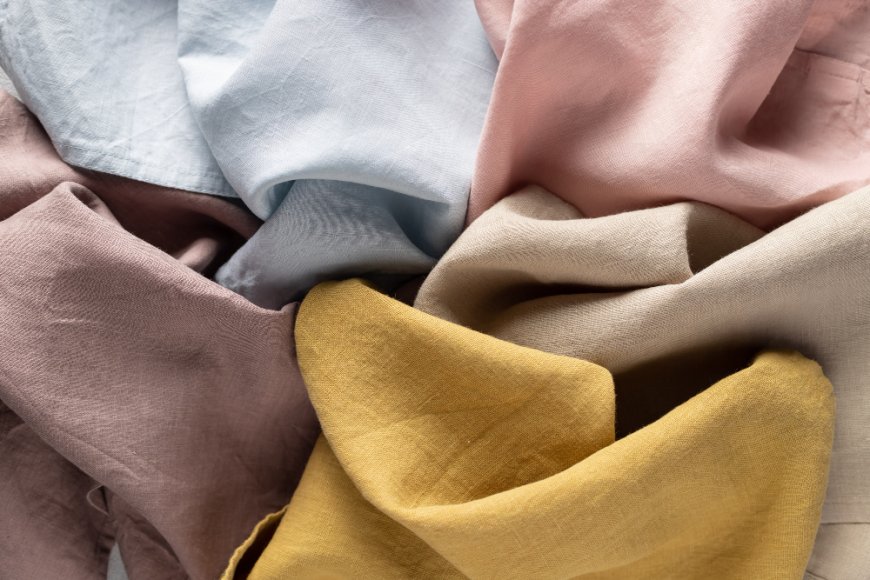
Cotton fabric forms the backbone of most wardrobes, from comfortable t-shirts to crisp dress shirts. However, many people struggle with keeping their cotton garments looking fresh and maintaining their original shape after multiple washes. When you buy fabric online or purchase ready-made cotton clothing, proper care becomes essential to protect your investment.
Understanding how to wash cotton fabric correctly can extend the life of your garments by years. The wrong washing technique can cause shrinkage, stretching, and fading that ruins even the highest-quality pieces. This guide provides practical steps to keep your cotton items looking new, whether you're caring for delicate cotton blends or sturdy denim.
Understanding Cotton Fabric and Its Properties
Cotton fabric comes in various weights and weaves, each requiring specific care. Lightweight cotton fabric like voile and lawn are more delicate and prone to stretching. Medium-weight options include poplin and twill, while heavy cotton fabrics encompass denim and canvas.
The fiber structure of cotton makes it naturally absorbent, which means it readily takes in water and detergent during washing. This absorbency also makes cotton fabric susceptible to shrinkage when exposed to heat and agitation. Pre-shrunk cotton has been treated during manufacturing to minimize this issue, but untreated cotton can shrink up to 10% in the first wash.
Cotton blends combine cotton with synthetic fibers like polyester or elastane. These blends often maintain shape better than 100% cotton but still require careful handling. When you buy fabric online, check the fiber content to understand how your specific cotton fabric will behave during washing.
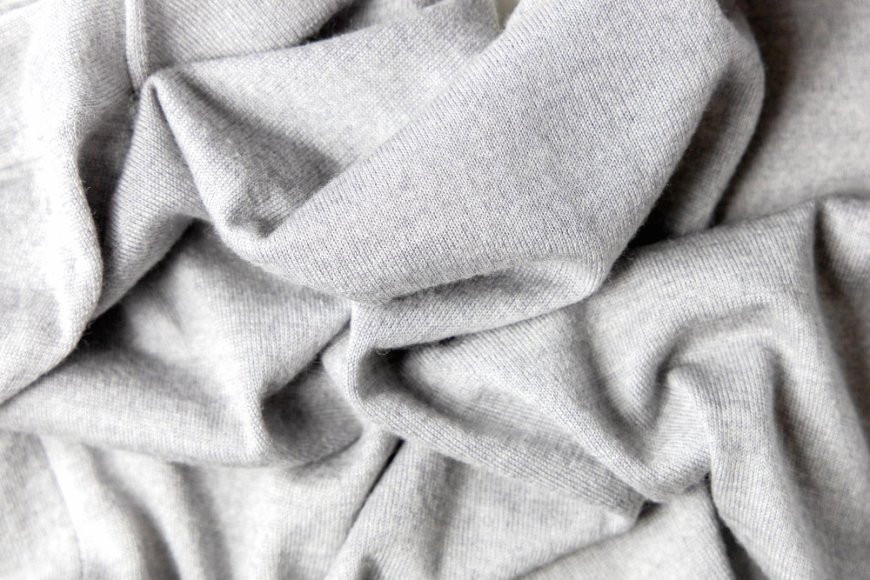
Pre-Wash Preparation Steps
Proper preparation prevents most washing disasters. Start by sorting your cotton items by color and weight. Wash dark colors separately from lights, and keep heavy items like jeans away from delicate cotton blouses.
Check each garment for stains before washing. Pre-treat spots with a gentle stain remover or a mixture of liquid detergent and water. Let the treatment sit for 15 minutes before washing. Avoid using bleach on colored cotton fabric, as it can cause permanent discoloration.
Turn garments inside out to protect the outer surface from friction and fading. This simple step preserves the appearance of printed or dyed cotton fabric. Close zippers and fasten buttons to prevent snagging during the wash cycle.
Water Temperature Guidelines
Cold water works best for most cotton fabric washing needs. Temperatures between 60-80F effectively clean cotton while preventing excessive shrinkage. Cold water also helps maintain colors and reduces energy consumption.
Warm water (80-100F) can be used for heavily soiled white cotton items or when dealing with oil-based stains. However, limit warm water use to prevent gradual shrinkage over time. Hot water should only be used for white cotton items that need sanitizing, and even then, use it sparingly.
The temperature of your rinse water should match your wash water. Sudden temperature changes can shock cotton fibers and cause them to contract unevenly, leading to shape distortion.
Choosing the Right Detergent
Liquid detergents work better than powder for cotton fabric because they dissolve completely in cold water. Powder detergents can leave residue that makes cotton feel stiff and look dull. Use the amount recommended on the package more detergent doesn't mean cleaner clothes and can actually trap dirt and soap residue in the fibers.
Enzyme-based detergents break down protein stains effectively but can be harsh on delicate cotton fabrics. For premium cotton items, consider using a gentle, enzyme-free detergent. Avoid fabric softeners on cotton towels and athletic wear, as they can reduce absorbency.
Natural alternatives like white vinegar (half a cup in the rinse cycle) can soften cotton fabric without chemical residue. This works particularly well when you buy fabric online and want to maintain its original texture and feel.
Optimal Washing Machine Settings
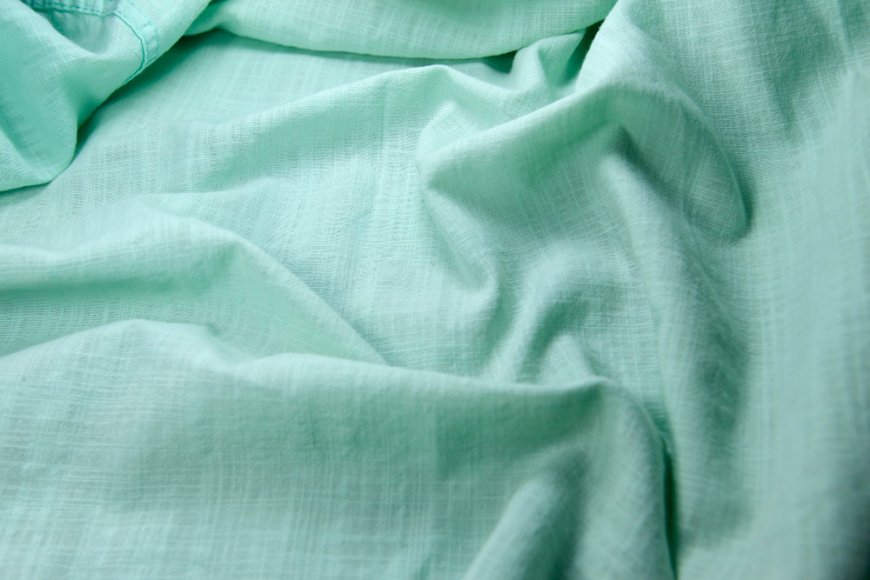
Select the gentle or delicate cycle for most cotton fabric items. These cycles use slower agitation and shorter spin speeds, reducing stress on the fibers. The normal cycle can be too harsh for maintaining shape, especially in lightweight cotton fabrics.
Load your washing machine to about 75% capacity. Overcrowding prevents proper water circulation and increases friction between garments. Under-loading wastes water and energy while causing excessive agitation.
Use the shortest wash cycle that will clean your cotton items effectively. Extended washing times don't improve cleanliness but do increase the risk of shape distortion and color fading.
Proper Drying Techniques
Air drying remains the gentlest method for cotton fabric. Shake out garments after washing to reduce wrinkles, then hang them on padded hangers or lay them flat on clean towels. Avoid direct sunlight for colored cotton, as UV rays can cause fading.
If you must use a dryer, choose the lowest heat setting and remove items while they're slightly damp. Over-drying makes cotton fabric stiff and can cause permanent creasing. Add a couple of clean tennis balls to the dryer to help maintain fluffiness in cotton towels and bedding.
For knit cotton items like t-shirts, lay them flat to dry to prevent stretching. Hanging wet knits can cause shoulder bumps and elongate the garment. When you buy fabric online for sewing projects, consider the drying method during your garment construction planning.
Reshaping During Drying
While cotton fabric is still damp, gently reshape garments to their original form. Smooth out seams, align hems, and adjust shoulder lines. This proactive approach prevents permanent shape distortion.
For cotton sweaters and knits, use a sweater drying rack or lay the item flat on a towel. Reshape the sleeves and body while damp, then allow to air dry completely. This technique works whether you've sewn the garment yourself or purchased it ready-made.
Structured cotton items like dress shirts benefit from being hung on proper hangers while still slightly damp. The weight of the remaining moisture helps smooth out wrinkles naturally.
Post-Wash Care and Storage
Iron cotton fabric while it's slightly damp for best results. Use the cotton setting on your iron and work with the grain of the fabric. For delicate cotton fabrics, use a pressing cloth to prevent shine and scorch marks.
Store clean cotton items properly to maintain their shape between wears. Use padded hangers for structured pieces and fold knits carefully to prevent creasing. Cedar blocks or lavender sachets can keep stored cotton fresh without harsh chemicals.
Regular maintenance extends the life of cotton fabric. Address stains promptly, rotate your wardrobe to prevent excessive wear on favorite pieces, and follow care labels consistently. When you buy fabric online for sewing projects, proper care starts with your first creation.
Special Considerations for Different Cotton Types

Organic cotton requires gentler treatment than conventional cotton. Use mild detergents and avoid fabric softeners that can interfere with the natural properties of organic fibers. The investment in organic cotton fabric pays off with proper care.
Cotton denim needs special attention due to its weight and dye. Wash jeans inside out in cold water and air dry when possible. The indigo dye in denim will fade gradually, but proper washing slows this process significantly.
Fabriclore offers premium cotton fabrics that benefit from careful washing techniques. Other suppliers like The Fabric Store and Mood Fabrics also provide quality cotton, but proper care remains essential regardless of the source.
Troubleshooting Common Issues
If cotton fabric has already shrunk, you can sometimes recover the size by gently stretching the damp garment back to shape and pinning it to measurements while it dries. This works best on loosely woven cotton fabrics.
Pilling on cotton surfaces can be removed with a fabric shaver or by gently pulling off the pills by hand. Prevent future pilling by washing cotton items inside out and avoiding overloading the washing machine.
Stiffness in cotton fabric often results from detergent buildup or hard water minerals. Run an extra rinse cycle or add white vinegar to the rinse water to restore softness.
Maintaining Cotton Fabric Quality Long-Term
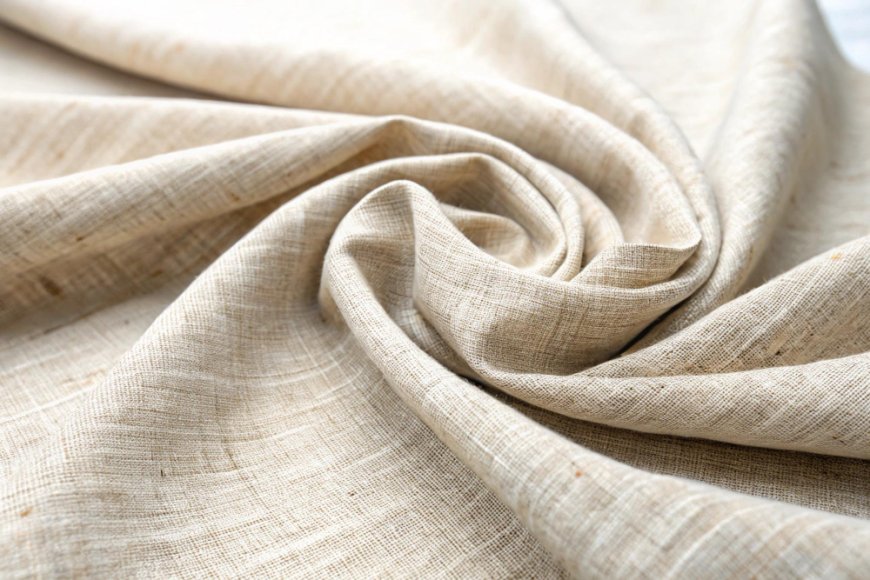
Proper washing extends the life of cotton fabric significantly, but consistency matters most. Develop a routine that works for your lifestyle and stick to it. When you buy fabric online, keep care instructions with your purchase records for future reference.
Regular inspection of your cotton items helps catch problems early. Look for loose threads, small stains, or signs of wear that need attention. Addressing these issues promptly prevents larger problems that can ruin garments.
Quality cotton fabric deserves quality care. Whether you're working with expensive cotton from Fabriclore or budget options from local suppliers, the same principles apply. Gentle washing, proper drying, and careful storage will keep your cotton items looking great for years to come.