How to Stop Water Ingress Through Walls and Basements
Stop water ingress in walls and basements with effective damp proofing. Learn simple steps to protect your home from costly moisture damage.

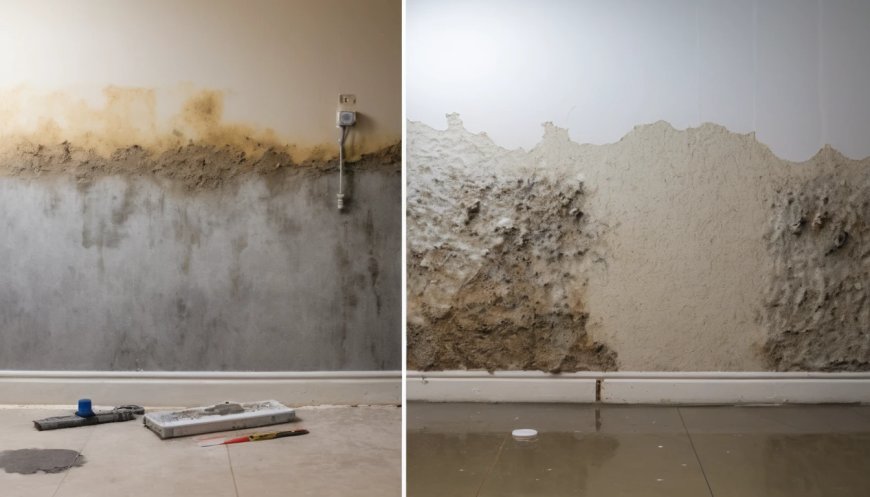
Water ingress is a silent destroyer. From hairline cracks in the wall to fully flooded basements, unwanted moisture can lead to long-term structural damage, health risks, and high repair costs. One of the most effective solutions to combat this problem is damp proofing.
In this blog, well walk you through what causes water ingress, how to identify early signs, and the most effective damp proofing methods to stop it in its tracks.
Understanding Water Ingress: What Is It and Why It Happens
Water ingress refers to water entering a building from the outside. It can happen through walls, basements, roofs, or even floors. The root causes include:
-
Poor external drainage
-
Faulty guttering or downpipes
-
Cracks in brickwork or render
-
Missing or damaged damp proof course (DPC)
-
High ground levels or rising groundwater
If ignored, water ingress can damage plaster, flooring, insulation, and even the structural integrity of the property. Damp conditions also encourage mould growth and wood rot.
Common Signs of Water Ingress
Catching the early signs of water ingress can save you from expensive repairs. Look out for:
-
Discoloured or bubbling paint
-
Musty odours in basements or lower walls
-
Peeling wallpaper
-
Damp patches on walls or ceilings
-
Mould growth along skirting boards or corners
-
Flaking plaster or salts appearing on the surface (efflorescence)
Spotting these signs early means damp proofing solutions can be applied before serious damage occurs.
Effective Ways to Stop Water Ingress Through Walls
1.Repair Cracks and Repoint Brickwork
Water often enters through damaged mortar joints or cracks in exterior walls. A full visual inspection can help spot entry points. Repointing the mortar and sealing cracks with waterproof materials can prevent moisture from penetrating the structure.
2.Apply a Waterproof Wall Coating
Specialised waterproof coatings act as a barrier, repelling rainwater while allowing the walls to breathe. These are particularly useful for older buildings where traditional brickwork absorbs moisture easily.
3.Install or Upgrade the Damp Proof Course (DPC)
A damp proof course is a layer of waterproof material inserted into walls to prevent rising damp. If the original DPC is damaged or non-existent, chemical DPC injections can be used to restore protection.
Stopping Water Ingress in Basements
Basements are especially vulnerable due to their below-ground position. Without proper damp proofing, hydrostatic pressure can force water through walls and floors.
1.Basement Tanking
Tanking involves coating the internal walls and floors with a waterproof slurry or membrane to create a watertight barrier. Its one of the most effective ways to protect against underground water ingress.
2.Install a Cavity Drain System
These systems create a gap between the wall and a waterproof membrane, allowing water to flow into a sump and be pumped away. This method is popular in basement conversions as it manages moisture without sealing it into the wall.
3.Improve External Drainage
Check that external ground levels slope away from the property and that drains, gutters, and downpipes are functioning correctly. If water pools around the foundation, it will eventually find a way in.
Proactive Damp Proofing Measures
Prevention is always better than cure. Here are some long-term damp proofing tips to reduce your risk of water ingress:
-
Keep gutters and downpipes clean and clear
-
Seal window frames and external gaps
-
Maintain exterior paint and wall coatings
-
Avoid blocking air bricks or vents
-
Check for vegetation growing near walls, as roots can create entry points
When to Call in the Experts
If youre dealing with consistent damp patches or visible water ingress in the basement or lower walls, its wise to consult a professional. A qualified damp proofing expert will conduct a full damp survey, identify the source, and recommend the most appropriate solution for your property type and budget.
Dont wait until the issue escalates into costly repairs early action saves time, money, and stress.
Conclusion
Water ingress and damp are more than cosmetic issues they affect the health, safety, and longevity of your property. By staying proactive with damp proofing methods, you can protect your investment and ensure your home stays warm, dry, and damage-free all year round.
Whether you live in an older property or a newly built home, understanding and preventing water ingress should be a top priority.