


























How Silica Gel Canister Packaging Performs in Humid and Variable Climates

Protecting goods from humidity is not a choice, it is a need. Products exposed to moisture face spoilage, clumping, corrosion, or breakdown of active ingredients. Industries dealing with pharmaceuticals, diagnostics, and sensitive electronics rely on smart packaging to block moisture at the root. Silica gel canister packaging is widely used as an internal safeguard. It helps maintain the integrity of items packed in bottles or sealed units by absorbing excess moisture inside the container. This control reduces the risk of spoilage during long transport or storage in damp conditions.
Humidity: The Hidden Threat to Product Stability
High humidity doesnt only show up as visible moisture. It silently degrades items over time. Powders can cake, metal parts may rust, and chemical products can lose effectiveness. If air moisture isnt absorbed inside sealed packaging, it lingers and affects product shelf life.
These issues often arise during shipping. A sealed box travels from dry storage to a coastal port, then enters an air-conditioned store. These climate changes increase condensation risks inside sealed containers. Products packed without moisture protection face damage before reaching their end users.
How Silica Gel Canisters Work Under Pressure
Unlike external packaging, silica gel canisters work from the inside. They are solid containers filled with silica beads. These beads are made to absorb moisture vapor and trap it inside without leaking or changing shape. That keeps the surrounding environment dry.
The canister format fits inside medical bottles, test kits, and packaging units where space is limited. Unlike packets, canisters do not tear or spill, even during rough shipping or long-term storage. They are tamper-resistant and are made from non-reactive plastic or aluminum.
These canisters begin absorbing as soon as they are exposed to air inside the container. Their size and absorption rate depend on the volume of air in the bottle and the moisture level expected along the supply chain.
Performance in Different Climate Zones
Products move through places with different temperatures and humidity levels. A package leaving a dry factory may face high moisture during port handling or while in transit. Even short-term exposure to such conditions can lead to damage.
Silica gel canisters are effective in maintaining a balanced environment inside the packaging. Since they do not require energy or electronics, they offer passive yet consistent protection. Their ability to manage variable humidity makes them an ideal solution for multi-zone shipping.
They also hold their position inside the container. This prevents shifting and ensures that the surface of the beads remains open to absorb air moisture evenly, even during movement.
Application in Pharmaceuticals and Diagnostics
Products like tablets, strips, and testing kits are very sensitive to air moisture. Once moisture enters, it can impact dose quality, measurement accuracy, or result stability. Thats why many regulated industries use internal absorbents as standard practice.
Silica gel canisters are commonly inserted into pharmaceutical bottles during the filling line process. These canisters work throughout the shelf life of the product, protecting it from the inside. Their rigid design makes them easy to insert without affecting the contents.
They are also useful in home test kits or medical packs where precision matters. A minor loss in quality due to exposure can lead to incorrect readings, recalls, or customer complaints.
Choosing Canisters Based on Product Risk
Not every product faces the same moisture risk. Items like dry capsules may need less protection, while powdered drugs or metal-based tools may need more. Selecting the right canister size and absorption strength matters.
A poorly sized canister may become saturated too soon or offer more capacity than needed, increasing cost. Product weight, package volume, and shipment duration should all be considered. Matching the canister to the actual risk is the best way to optimize results.
Storage and Handling Best Practices
To get the best performance, silica gel canisters must be handled with care. They should be stored in sealed containers before use. Exposure to air for even a short time can reduce their absorption ability.
During packing, ensure the canister is placed where it will not block the product or be covered. The airflow inside the packaging should reach the canister surface. After insertion, seal the packaging quickly to avoid early saturation.
Canisters are meant to last through the entire shelf life, but they must be protected before use to serve that purpose.
Custom Solutions for Variable Conditions
Silica gel canisters are available in different sizes, materials, and fill weights. They can be matched to specific industry needs. For instance, diagnostic kits may use smaller canisters compared to bulk medicine bottles. Some packaging lines even use twin-canister formats for larger volumes.
Brands that ship across multiple zones or climates may also use support options like barrier liners, oxygen absorbers, or secondary sealers. However, the core layer of defense remains moisture absorbents like silica gel.
Summing Up:
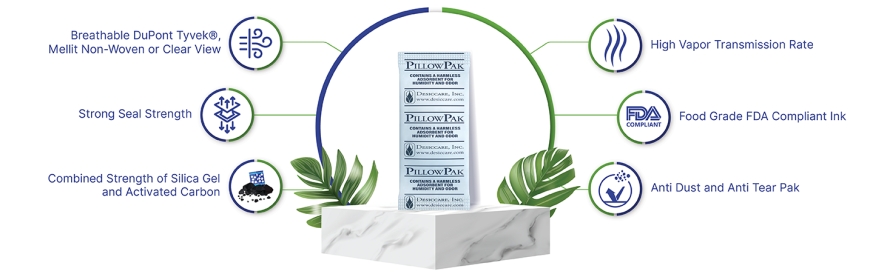
Moisture damage is hard to reverse. Prevention is always more cost-effective than replacement. That is why more product manufacturers are using internal tools to stop problems before they start. Silica gel canister packaging stands out for its efficiency, easy use, and lasting performance across changing humidity conditions. Combining this solution with smart transport planning reduces returns, improves customer satisfaction, and maintains product quality from factory to shelf. For added coverage in bulk packs or kits, silica gel pillow pak units are also being used to protect grouped products from external exposure.


