How PPE Detection Systems Are Revolutionizing Industrial Safety Compliance
Ensure workplace safety with a PPE detection system that uses AI to monitor and enforce compliance with personal protective equipment in real time.

Introduction
In industrial environments where risks are ever-present, ensuring worker safety is a top priority. From construction zones to manufacturing units, adhering to Personal Protective Equipment (PPE) guidelines is not just a regulatory requirementits a life-saving practice. Yet, despite well-established protocols, human oversight, negligence, and inconsistent enforcement often result in non-compliance. Enter the PPE detection system, a technological innovation that is reshaping the landscape of workplace safety and compliance through automation, accuracy, and real-time monitoring.
Understanding PPE Compliance Challenges
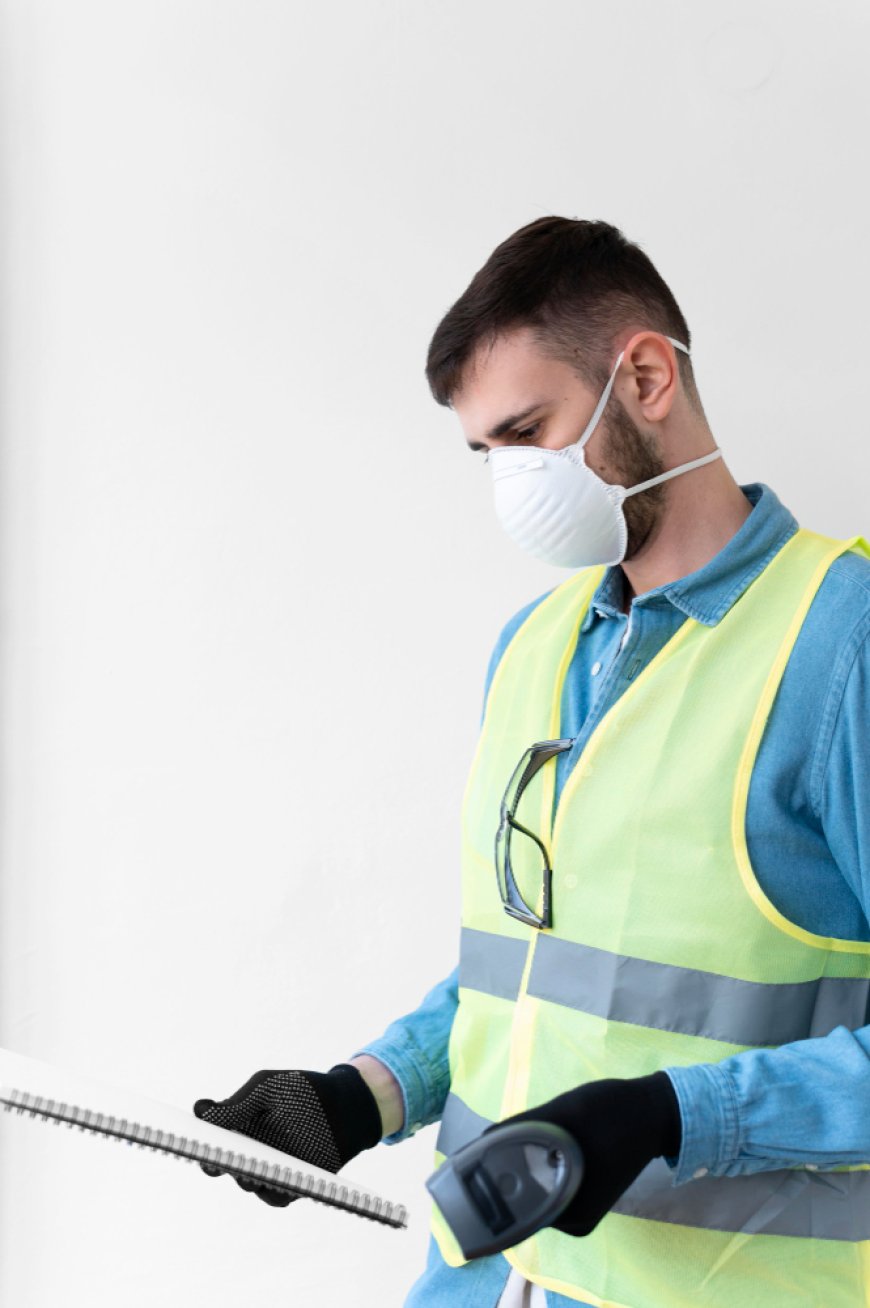
Personal Protective Equipment such as helmets, gloves, safety vests, goggles, and face masks are designed to safeguard workers from hazardous conditions. However, relying solely on manual inspections and supervisory checks leaves room for error. In large facilities or fast-paced work zones, supervisors cannot feasibly monitor every individual at all times. This gap leads to missed violations, delayed interventions, and increased risk of accidents.
Non-compliance can have serious consequences. Beyond physical harm, organizations face legal penalties, reputational damage, and higher insurance costs. As industries move towards digitization and automation, traditional methods of ensuring PPE adherence are no longer sufficient. A smarter, more scalable solution is requiredand thats where PPE detection systems step in.
What Is a PPE Detection System?
A PPE detection system leverages artificial intelligence, computer vision, and real-time video analytics to automatically monitor whether workers are wearing the required safety gear. These systems use surveillance cameras and advanced algorithms to detect the presenceor absenceof specified PPE items. They can identify individuals not wearing helmets, masks, or reflective jackets and trigger immediate alerts to supervisors or safety officers.
What sets these systems apart is their ability to operate 24/7 across expansive sites without fatigue or bias. They not only detect violations but also compile data over time, helping companies identify recurring non-compliance patterns and high-risk zones.
To better understand the technological evolution behind this innovation, it's helpful to look at how AI is advancing in related safety applications, such as in Advanced X-Ray Baggage Scanning with AI, where automated detection ensures security in transportation hubs. Similarly, AI-powered PPE detection enhances industrial safety by removing the guesswork and inconsistency from manual checks.
Benefits of Implementing PPE Detection Systems
1. Real-Time Monitoring and Alerts
PPE detection systems provide live analysis of work environments. As soon as a violation is identified, the system can send automated notifications to safety managers, enabling them to take immediate corrective action. This quick response helps in preventing potential incidents before they escalate.
2. Consistency and Objectivity
Human supervision is susceptible to fatigue, distractions, or bias. AI-based systems, in contrast, apply the same standard across all monitored individuals, ensuring fair and consistent enforcement of safety protocols.
3. Data-Driven Decision Making
Beyond real-time alerts, these systems collect valuable data that can be analyzed to improve workplace safety strategies. For instance, recurring violations in a specific area may indicate inadequate signage or training. Such insights allow companies to make targeted improvements.
4. Improved Compliance and Accountability
When workers are aware that their PPE usage is being monitored consistently and fairly, compliance naturally improves. Additionally, stored data serves as verifiable proof in case of disputes or audits.
5. Integration with Existing Infrastructure
Modern PPE detection systems are designed to integrate with existing CCTV networks and safety management platforms. This minimizes additional infrastructure costs and accelerates deployment across facilities.
Applications Across Industrial Sectors
PPE detection systems are versatile and adaptable across a range of industries:
-
Construction Sites: Where multiple contractors operate simultaneously, PPE enforcement can be a logistical challenge. Detection systems ensure everyone on-site adheres to basic safety protocols.
-
Manufacturing Plants: In settings with high machinery usage and moving parts, even a momentary lapse in PPE compliance can be dangerous. AI-powered monitoring adds an extra layer of oversight.
-
Warehouses and Logistics Hubs: As these spaces deal with vehicle movement, loading equipment, and height-based tasks, automated PPE compliance ensures smoother, safer operations.
-
Mining and Oil & Gas: Harsh and hazardous environments require stricter safety norms. Continuous PPE surveillance ensures regulations are followed even in remote or underground locations.
Challenges and Considerations
While PPE detection systems offer clear advantages, their implementation must be carefully managed. Data privacy concerns, for instance, must be addressed through secure data handling and transparent usage policies. Its important that workers are informed about the systems purpose and that it is used strictly for safety improvement, not punitive surveillance.
Moreover, the systems accuracy must be periodically validated, especially in varied lighting conditions or when workers wear PPE in non-standard ways. Training personnel to interpret system alerts correctly is also essential for maximizing effectiveness.
Conclusion
The implementation of PPE detection systems marks a significant step toward smarter and safer industrial environments. By automating the monitoring of compliance, these systems reduce the burden on human supervisors, ensure consistency, and most importantly, protect lives. In industries where safety cannot be compromised, technology is proving to be an invaluable ally.
As organizations embrace digital transformation, PPE detection will become a standard component of their safety infrastructuresetting new benchmarks for compliance and accountability. Through thoughtful deployment and continuous optimization, these systems are not just revolutionizing safety protocolsthey are shaping the future of workplace well-being.