How Electrical Enclosures Contribute to Workplace Safety

Introduction
Electrical safety is a top priority in any workplace that relies on powered machinery, automation systems, or control panels. While much attention is given to equipment design and maintenance, one critical safety component often goes unnoticed — the electrical enclosure.
Electrical enclosures do far more than hold wires and circuits in place. They act as barriers, shields, and safeguards that prevent accidents, electrical shocks, fires, and damage to both people and property. Let’s look at how these enclosures contribute directly to creating a safer workplace.
1. What Electrical Enclosures Actually Do
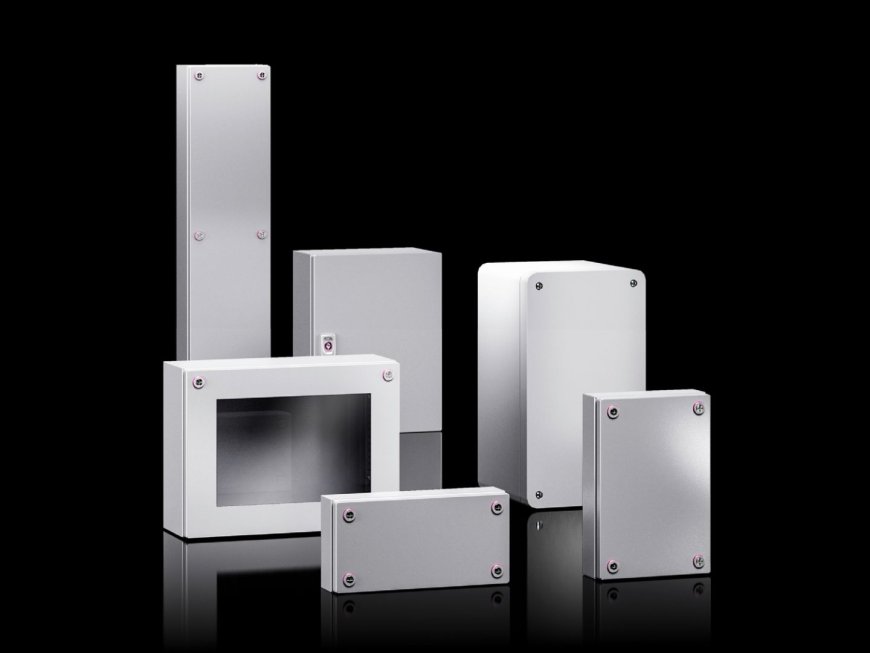
An electrical enclosure is a protective casing designed to house electrical components like switches, controllers, relays, and terminals. Its purpose is simple: to keep hazardous electrical energy inside and environmental threats outside.
Without proper enclosure design, workers could be exposed to live circuits, dust could cause short circuits, or moisture could lead to dangerous arcing. In short, a well-built enclosure turns a potentially hazardous setup into a safe, manageable system.
2. Protection Against Electrical Shock
The most immediate safety benefit of an electrical enclosure is shock prevention. By isolating high-voltage parts, enclosures create a physical barrier between people and live electrical components.
Custom enclosures can also be designed with safety in mind:
-
Lockable doors or panels restrict access to qualified personnel only.
-
Insulated materials reduce the risk of current leakage.
-
Proper grounding and bonding ensure that in the event of a fault, the electrical current safely flows to ground instead of through a worker.
This controlled setup greatly reduces the chances of accidental contact or electrical injury.
3. Fire Prevention and Hazard Containment
Electrical faults can cause sparks or overheating, both of which can ignite fires. A well-engineered enclosure contains these risks.
Custom enclosures can feature:
-
Fire-resistant materials such as stainless steel or coated aluminum.
-
Sealed cable entries to prevent dust and flammable debris from accumulating.
-
Thermal management systems to keep temperatures within safe limits.
By containing potential faults and controlling heat, the enclosure serves as a safety barrier between electrical hazards and the wider work environment.
4. Protection from Environmental Factors
Workplaces aren’t always clean, dry, or temperature-controlled. Dust, oil, water, and chemicals can all damage electrical components or create unsafe conditions.
Electrical enclosures with the right IP or NEMA ratings help maintain safety by:
-
Blocking water and dust ingress.
-
Resisting corrosion in harsh or outdoor environments.
-
Shielding against impact or vibration in heavy industrial settings.
This keeps electrical systems stable and prevents hazardous situations caused by malfunctioning equipment.
5. Organized and Safer Workspaces
Electrical enclosures also contribute to workplace safety through organization. Wires, terminals, and controls housed neatly within an enclosure reduce trip hazards, prevent accidental disconnection, and keep control systems easy to manage.
When panels are clearly labeled and securely mounted, maintenance staff can identify circuits safely and perform tasks without confusion or unnecessary risk.
6. Compliance with Safety Standards
Safety regulations require that electrical systems meet specific standards for protection and accessibility. Using the right enclosure ensures compliance with codes such as:
-
NEMA (National Electrical Manufacturers Association) standards
-
IP (Ingress Protection) ratings
-
UL (Underwriters Laboratories) certifications
Compliance doesn’t just help you pass inspections. It means the system is verified to protect people under real-world conditions, reducing liability and the risk of injury.
7. Facilitating Safe Maintenance
Maintenance work often poses the highest risk because it involves opening or working near energized equipment. Custom electrical enclosures can make this much safer through:
-
Interlocks that disconnect power before the door opens.
-
Clear labeling and separation of circuits for safe troubleshooting.
-
Easy access panels that reduce time spent around energized areas.
With safety features built in, workers can perform maintenance confidently without unnecessary exposure to danger.
8. Reducing Human Error
Many electrical accidents result from human mistakes — misconnection, tampering, or improper repairs. Well-designed enclosures reduce those risks by:
-
Limiting access to only essential components.
-
Preventing accidental contact through internal barriers.
-
Providing clear visual indicators or warning labels.
When systems are designed to guide proper use, the room for error — and accidents — shrinks considerably.
Conclusion
Electrical enclosures are more than protective boxes. They’re silent guardians that keep workers safe from shocks, fires, and electrical hazards. From isolating live components to managing heat and containing sparks, they play a direct role in maintaining a safe, reliable, and compliant workplace.
Investing in the right enclosure design — one built specifically for your environment and equipment — is one of the simplest and most effective ways to strengthen workplace safety.