How 3D BIM Modeling Services Improve Structural Integrity in Infrastructure Projects
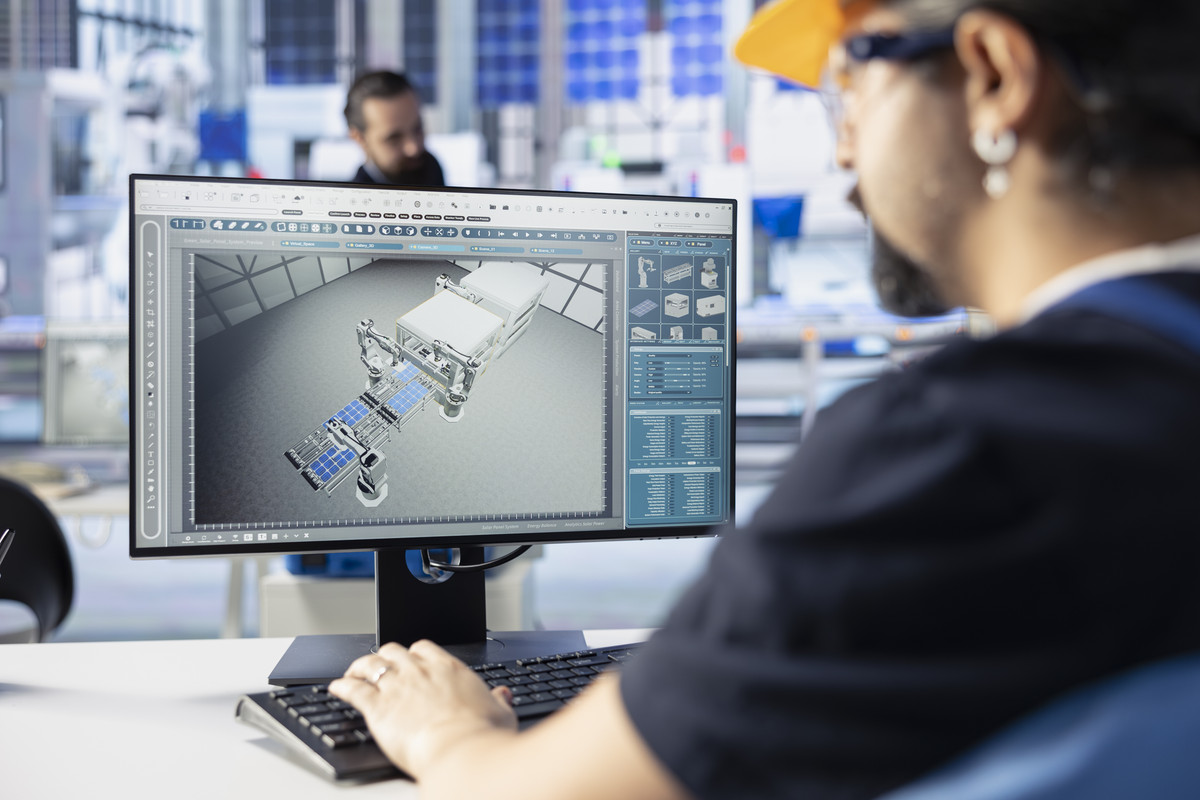
Large-scale infrastructure projects, whether it’s a long bridge, underground tunnel, or advanced hospital, failure of the structure can detract from safety, increase costs, and hold up timelines. Traditional design processes of conceptualizing designs as 2D drawings are a common approach, but often lead to errors, conflicts between designs, and missed details that negatively impact structural integrity. Thankfully, Building Information Modeling provides a data-driven 3D modeling method for thinking about and designing structures. BIM is more than visualization; it is a single source of truth in the real-time project lifecycle.
In this blog, we will explain how 3D BIM modeling services are improving structural integrity through enhanced accuracy, pre-conflict resolution, and better collaboration for all team members.
Understanding 3D BIM Modeling and Its Role in
Infrastructure Projects
BIM (Building Information Modeling) is a digital process that generates an intelligent, data-rich depiction of a building or infrastructure project. In contrast to traditional 2D design, which uses flat drawings and separate documentation, 3D BIM utilizes geometry, spatial relationships, and detailed metadata within a single, coordinated model. This allows engineers, architects, and contractors to visualize the project in three dimensions and to also incorporate important information about the materials, loads, and how various systems are supposed to interact.
In infrastructure projects, such as bridges, tunnels, airports, railways, ports, power plants, health care systems, etc., BIM serves as a comprehensive digital twin that portrays the physical and functional attributes of the structure. This makes it possible for all stakeholders involved in the project lifecycle to plan, be precise, and make decisions throughout the project.
Proven Methods to Improve Structural Integrity
with 3D BIM Modeling
The introduction of 3D BIM Modeling Services changes the way we design, analyze, and build infrastructure projects. By combining data, visualization, and collaboration, it improves the structural performance of complex projects, directly.
Identification of Conflicts Before Construction: Clash Detection
Structural conflicts often arise in large-scale infrastructure projects. Examples include a steel beam that is set to intersect with an HVAC duct, or similar rebar traveling through an area that plumbing is also routed through. All of which are scenarios that can lead to costly delays while simultaneously putting workers at risk on the construction site. Most architects and engineers work from old 2D drawings, which often do not show problems until construction is already underway.
3D BIM Modeling Services in the USA provide a smart solution by automatically identifying spatial conflicts within the digital model. With tools like Revit, Navisworks, Tekla Structure, etc., structural engineers can identify and address conflicts in the design phase.
Addressing the clashes prior to the construction allows the project teams to deliver solutions in the field that do not compromise any of the structural design elements. The outcome of addressing these conflicts before construction ensures that the built structure is in perfect alignment with the engineered intent and has the capability of preventing unwanted costs or time-related delays while providing the best structural integrity.
Enhanced Accuracy and Reduced Mistakes
Interpreting two-dimensional (2D) drawings can lead to human error in miscalculating, misplacing components, or misrepresenting what is ultimately constructed. Human error can lead to reduced structural integrity by weakening critical load-bearing or load-path elements of an overall structure, ultimately having an adverse effect on the long-term durability of the infrastructure.
Mobile 3D Laser Scanning Services eliminate these inherent risks by working from a single, coordinated 3D model that includes every discipline, like structural, architectural, mechanical, electrical, and plumbing, working from the same model as a single source of truth. This unified solution reduces the risk for interpretation error and guides coordination among all disciplines.
The benefit to structural integrity is significant when elements are fabricated like steel trusses, beams, or prefabricated panels. They fit precisely as intended, maintaining load paths, connections, and components to the engineering specifications. In addition, the construction process reflects the intended design, adding to the safety, reliability, and structural integrity of the overall project in its final, constructed state.
Advanced Structural Analysis and Simulation
Conventional structural analysis is often performed in isolation and not fully integrated with a comprehensive view of the building's context, resulting in design assumptions that may not fully capture reality.
3D BIM Modeling Services bridge that gap by linking information-rich models directly to advanced structural analysis software. The engineers can run simulations, finite element analysis, wind load calculations, and seismic performance analysis on the digitally modeled structure.
This means teams can test stress and optimize designs based on realistic scenarios prior to construction taking place. This approach allows the owner to predict stresses and catastrophic failure points, as well as manipulate multiple different inputs to improve safety factors. The end result is that the structure is completed with a greater level of resilience and longevity, while also being built with confidence that every aspect and component of the structure has been developed with engineering precision that minimizes the likelihood of structural failure.
Improved Collaboration and Coordination
Infrastructure construction projects tend to develop silos between architects, structural engineers, and contractors, resulting in miscommunication that could impact the structural integrity.
3D BIM modeling serves as a space for all parties to access, review, and comment on a single source model. Real-time project updates elevate communication, ensuring structural requirements are fully integrated and communicated across disciplines.
Such seamless coordination avoids decisions that may inadvertently affect critical elements of the structural systems and ensures they align with the original intended load path or safety requirements. The result is a project executed in a more coordinated and cohesive manner in which the structural integrity and intended load path are maintained throughout the construction project.
Lifecycle Benefits for Infrastructure From 3D
BIM Modeling Services
The benefits of 3D BIM modeling do not end with construction; its advantages have lifelong value to Infrastructure projects.
-
Maintenance and Asset Management: BIM delivers an integrated digital model that contains all the structural, mechanical, and operational data and simplifies inspection and maintenance routines.
-
Digital Twins for Structural Health Monitoring: Using digital twins, infrastructures can be monitored continuously and warned for wear, stress, or deformation.
-
Increased Safety and Sustainability: Predictive maintenance and data-driven decisions improve safety, whilst improving energy and material efficiency.
-
Cost Savings: Using monitoring and reliable asset data will reduce costs for unplanned repairs and extend the life of the structure.
Using BIM throughout the lifecycle of the project means infrastructure can remain reliable, resilient, and cost-efficient for as long as possible.
Final Thoughts
3D BIM Modeling Services are changing the way that infrastructure projects obtain and maintain structural integrity. By providing services such as clash detection, precise coordination, advanced simulations, and lifecycle monitoring, BIM ensures that the entire project, from design to construction to maintenance, is built, designed, and maintained accurately and safely. Additionally, the use of BIM for asset management and creating digital twins improved sustainability, resiliency, and long-term cost effectiveness. For 21st-century infrastructure projects, 3D BIM modeling services are no longer optional; they are a requirement for designing and producing a safe, dependable, and future-ready structure.
If youre looking for accurate, clash-free, and data-driven BIM models from your scan data, trust the experts at scantoBIM.online to get it right the first time.