


























Garage Conversion Cost Guide: What Homeowners Need to Know
Garage conversions in 2025 cost between $20K and $200K. Learn about pricing factors, conversion types, permits, and smart ways to budget your project.

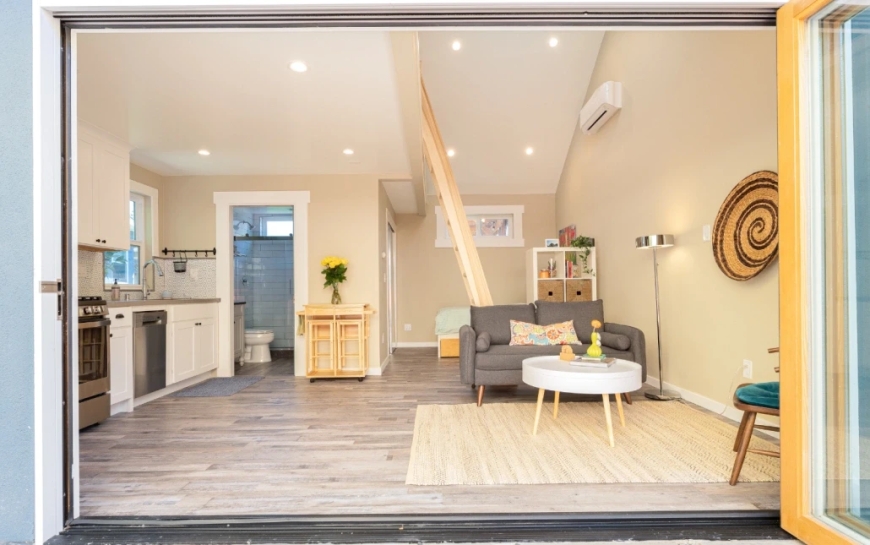
Garage conversion costs typically range from $20,000 to $200,000 in 2025, depending on the scope and complexity of your project. However, this investment can add valuable living space to your home without the hassle of a full extension.
Before diving into a garage transformation, understanding the complete cost picture is essential for proper planning and budgeting. Many homeowners work with garage conversion specialists to navigate the complex process of turning an underutilized space into a functional room that adds real value to their property.
This comprehensive guide breaks down everything you need to know about garage conversion costs in 2025. Whether you're considering a simple home office setup or a fully equipped granny flat, we'll cover the key factors that influence pricing, popular conversion types with their cost ranges, and practical tips for budgeting your project effectively.
What is a garage conversion and why consider it?
A garage conversion transforms an underutilized space into a functional, habitable room within your existing property footprint. Many homeowners discover their garages have evolved into disorganized storage areas rather than car shelters, creating perfect opportunities to reimagine these spaces 1. This practical renovation approach involves repurposing the structural framework that already exists into something far more valuable for modern living.
Extra living space without extending your home
Converting your garage offers a clever solution to space limitations without altering your property's external dimensions. This approach unlocks hidden potential in your home, effectively extracting usable square footage from an area you might not immediately consider 1. The possibilities for this newly created space are virtually limitless:
-
Home office or study area
-
Additional bedroom or guest suite
-
Family room or entertainment space
-
Home gym or studio
-
Playroom or teenage retreat
Unlike traditional extensions that expand outward, garage conversions work with your home's existing footprint. This means you maintain valuable outdoor areas while gaining internal living space—essentially enjoying the best of both worlds 1. Additionally, for detached garages, the construction process causes minimal disruption to your daily household routine since the work happens separately from your main living areas.
Cost-effective alternative to renovations
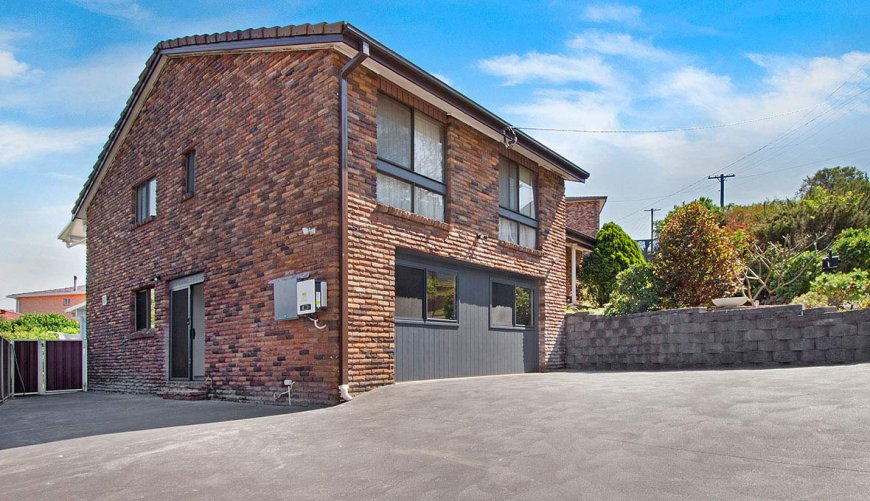
Garage conversions rank among the most affordable and impactful home improvement projects available to homeowners 2. Since the structural shell already exists, you can transform the space quickly and economically without the expense of full extensions or major building works 2. Converting your garage typically costs about half what you'd spend on adding a completely new addition to your home 3.
The financial advantages extend beyond just construction savings. By improving your current property rather than relocating, you avoid significant expenses associated with moving:
-
Stamp duty and legal fees
-
Property agent commissions
-
Moving costs
-
Higher mortgage payments
Furthermore, garage conversions generally progress faster than new builds or extensions, with many basic transformations completed in as little as one week 2. This rapid turnaround provides quick access to your new space while minimizing construction disruption.
Popular in urban areas with limited land
As housing needs evolve and urban density increases, garage conversions have emerged as smart solutions in space-conscious markets 4. In metropolitan areas where property footprints are restricted and land comes at a premium, maximizing existing structures becomes essential.
This trend aligns perfectly with contemporary living requirements. The rise of remote work, multi-generational households, and the desire for flexible living arrangements has propelled garage conversions into mainstream renovation strategies 4. For homeowners in densely populated neighborhoods, the ability to create additional living space without sacrificing garden areas represents a particularly valuable opportunity.
A thoughtfully executed garage conversion also substantially enhances property marketability and value. Depending on the type and quality of conversion, these projects can yield a 60-80% return on investment 4, making them attractive not just for lifestyle improvements but as financial investments as well.
Popular garage conversion types and their cost ranges
The versatility of garage conversions allows homeowners to create customized spaces that serve their specific needs. Each type of conversion comes with distinct cost implications based on complexity, materials, and required amenities. Let's examine the most popular garage transformation options and their associated price ranges in 2025.
Home office: $20,000 - $50,000
Creating a dedicated workspace in your former garage has become increasingly popular, especially with the rise of remote work. A basic home office conversion typically costs around $7,645, focusing primarily on electrical work, insulation, and finishing touches 1. For a more comprehensive setup with custom storage solutions and premium finishes, expect to invest up to $50,000.
Office conversions are among the most straightforward projects as they rarely require complex plumbing work or structural modifications. This option is ideal for those seeking a quiet, private workspace away from household distractions. Most office conversions include:
-
Enhanced electrical systems for computers and equipment
-
Improved insulation and climate control
-
Durable flooring and wall finishes
-
Custom workspaces and storage solutions
Granny flat: $80,000 - $200,000
Converting your garage into a fully self-contained granny flat represents the most substantial investment but offers significant returns. Basic granny flat conversions start at approximately $76,450, whereas premium conversions can exceed $152,899 5. For a comprehensive transformation with luxury finishes, expect costs to reach $200,000.
These conversions typically include a bedroom, bathroom, kitchenette, and living area. According to recent data, a complete self-contained studio ranges from $122,319 to $183,479+ 6. Notably, for those looking to create rental income, one Melbourne homeowner's garage-to-apartment conversion cost $339,436 but generated significant returns 7.
Home gym or studio: $30,000 - $60,000
Transforming your garage into a fitness sanctuary typically costs between $30,000 and $60,000, depending on your equipment requirements and desired amenities. Basic gym conversions start around $9,174 1, covering expenses such as specialized flooring, improved ventilation, and reinforced walls for mounting equipment.
High-end gym conversions may include moisture-resistant materials, enhanced soundproofing, specialized lighting, and integrated audio systems. Some homeowners opt to add shower facilities or small changing areas, which can increase costs significantly due to additional plumbing requirements.
Guest room or Airbnb: $50,000 - $120,000
Guest accommodations represent a versatile investment, with basic bedroom conversions starting around $7,645 to $15,290 8. For a complete guest suite with private bathroom facilities, costs typically range from $41,283 to $68,805 9.
Airbnb-ready spaces command higher investments but offer revenue potential. One homeowner who converted their garage into an Airbnb rental reported first-year earnings of $53,515 after investing $152,899 in the renovation 10. These spaces typically require thoughtful design touches, quality furnishings, and independent access points to maximize guest comfort and rental appeal.
Media room or lounge: $40,000 - $90,000
Entertainment-focused conversions typically range from $40,000 to $90,000, depending on the technological features and finishes. Basic media room conversions start around $11,467 1, covering essential elements like soundproofing, specialized lighting, and basic audio-visual infrastructure.
Premium entertainment spaces may include theater-quality projection systems, built-in surround sound, custom seating, and integrated smart home features. These rooms often require significant electrical work and specialized construction techniques to optimize acoustics and viewing experiences.
Ultimately, the final cost depends on your specific requirements and desired quality level. Many homeowners find that working with garage conversion specialists helps them achieve the best balance between budget constraints and desired outcomes.
Key factors that influence garage conversion costs
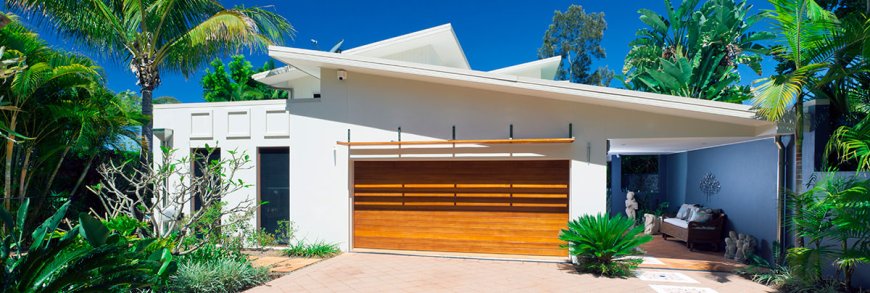
When planning your garage transformation, understanding the variables that drive costs is crucial for creating an accurate budget. Multiple factors can significantly impact your final investment beyond the basic conversion type. Let's explore the key elements that influence the price tag of your garage renovation project.
Size and layout of the garage
The dimensions of your garage fundamentally affect material quantities and labor requirements. A single-car garage conversion typically costs less than converting a double garage, primarily due to the difference in square footage 11. For reference, a standard one-car garage (approximately 240 square feet) costs around $14,678 to fully finish, whereas a typical two-car garage (440 square feet) requires about $26,910 1.
Moreover, the structural condition of your existing garage significantly impacts costs. A dilapidated garage needing extensive repairs may require architects, structural engineers, and specialized contractors 7. Meanwhile, a structurally sound garage with a solid foundation provides an ideal starting point, keeping costs lower.
Plumbing and electrical requirements
Adding utilities to your converted space represents one of the largest expenses in the project. Electrical upgrades typically cost between $1,529 and $4,587, covering new outlets, light fixtures, and potential electrical panel upgrades 1. For conversions requiring bathroom or kitchen facilities, plumbing costs range from $2,293 to $6,116 1.
Consequently, simple conversions like home offices or gyms tend to be more affordable as they can avoid costly plumbing installations and often don't require council consent 7. In contrast, conversions to guest suites or self-contained dwellings necessitate both building and resource consents, which naturally increase costs.
Insulation, flooring, and windows
Proper insulation is essential for maintaining comfortable temperatures and reducing energy bills, costing between $765 and $3,058 in total (approximately $0.61 to $9.17 per square foot) 1. Flooring represents another significant investment, ranging from $2,293 to $6,116 depending on the size and material type selected 1.
Additionally, garage floors typically sit lower than the house and slope slightly for drainage purposes 12. This means leveling may be necessary, adding between $917 and $3,058 to your budget 12. Installing new windows for natural light and ventilation costs approximately $765 to $3,058, with basic windows starting at $1,529 and egress windows at $5,351 8.
Permits and council approvals
Almost all garage conversions require some form of building permit, especially when changing from a non-habitable to a habitable space. Permit fees typically range from $459 to $2,293 13, though this varies by location. In some jurisdictions, permit costs can reach $1,529 or more for separate living spaces or ADUs 12.
Obtaining these approvals isn't optional—failing to secure proper permits can result in significant fines and potentially being forced to undo the conversion 14. Approval timelines typically range from 4 to 8 weeks, influenced by project complexity and council responsiveness 6.
Custom features and finishes
Finally, your choice of materials and finishes substantially impacts the final cost. Premium materials drive up expenses, though cost-effective alternatives can still deliver impressive results 7. Custom layouts, built-in features, and specialized equipment further increase the budget 15.
For instance, homeowners who invested $339,436 in converting their double garage into a self-contained apartment opted for high-end products where they would deliver significant impact 7. Your selection of flooring, wall treatments, lighting, and storage solutions all contribute to the final price tag.
Understanding the garage conversion process
Navigating the garage conversion journey requires understanding each stage of the process, from initial concept to final completion. Most conversions follow a structured timeline that typically spans 4-8 weeks depending on project complexity and council response times 9.
Initial consultation and design planning
Every successful garage conversion begins with a thorough consultation. During this first step, professionals assess your garage's structure, roof integrity, slab condition, and existing utilities 2. This assessment helps determine the scope of work required and establishes your lifestyle goals for the space 2. Following this evaluation, designers develop a tailored conversion plan that addresses your esthetic preferences while ensuring compliance with local regulations 4.
The design phase is crucial for setting realistic expectations and accurate budgeting 16. Detailed planning should include all intended features, from windows and lighting to insulation and floor layout 2. This comprehensive approach helps identify any potential challenges early in the process.
Getting council approvals and permits
Most garage conversions require formal approval as they involve changing a non-habitable space (Class 10a) into a habitable one (Class 1a) 17. The specific requirements vary by location, yet the approval process typically includes submitting a Development Application (DA) 18. Required documentation often includes cost estimations, landowner consent, waste management plans, and a statement of environmental effects 18.
Once submitted, your application undergoes review, with additional documentation potentially required prior to lodgement 18. Throughout this process, experienced conversion specialists can navigate the paperwork, securing planning permissions and council approvals on your behalf 4.
Construction and fit-out stages
After obtaining necessary approvals, the physical transformation begins. The process typically starts with preparation and demolition work—removing existing structures and clearing the space 4. This phase may include replacing the garage door with conventional walls matching the main building 19.
Subsequently, construction progresses through several key stages: structural modifications, insulation installation, utility work (electrical, plumbing, HVAC), and finishing touches 20. Each stage requires different specialized trades and must comply with building codes 21. Throughout construction, a project manager should oversee all tasks to ensure quality standards are maintained 2.
Final inspection and handover
The final stage occurs when construction is complete. At this point, a detailed walkthrough identifies any outstanding items requiring attention 2. This inspection serves as a comprehensive assessment to determine if the work meets quality standards and complies with approved plans 22.
Upon successful completion, you'll receive important documentation, including certification confirming the space is suitable for occupation 23. This might include a Practical Completion Certificate, Final Inspection Certificate, or Certificate of Occupancy, depending on your location and project scope 23. Only after this certification is the conversion officially complete and ready for use.
How to budget and choose the right builder
Selecting the right professional for your garage conversion can make or break your project's success. Smart budgeting begins long before construction starts, requiring thorough research and careful contract evaluation.
Requesting detailed quotes
Successful garage conversions demand comprehensive quotes that outline all aspects of the project. When seeking estimates, request itemized breakdowns including materials, labor, permits, and potential contingencies. Ask potential builders to attach the latest permitted drawings, specifications, finish schedules, and a detailed list of inclusions to their proposals 5. Realistic allowances for fixtures, finishes, and appliances are crucial, as understated allowances often shift real costs to you later 5.
Comparing fixed-price vs. hourly rates
Fixed-price contracts set a single price for a clearly defined scope, providing budget predictability and clear payment triggers based on completed milestones 5. Conversely, hourly rates (or cost-plus contracts) charge based on actual time worked, which can benefit projects with uncertain conditions or those requiring a fast start 5.
For short, clear-cut tasks, fixed pricing typically costs less, whereas hourly rates might save money if issues resolve quickly 24. Consider requesting both fixed and estimated hourly quotes for larger projects to make informed comparisons 24.
Checking licenses and past work
Verify that your chosen builder holds all necessary licenses for garage conversions. Licensed building renovation specialists with specific experience in garage conversions help ensure your project adheres to all regulations 25. Before committing, examine their portfolio of completed conversions and contact previous clients for unfiltered feedback about their experiences.
Understanding contract terms
Effective contracts clearly define payment structures, with progress payments tied to tangible milestones such as rough-in completion, drywall installation, and final inspection 5. Insist on written change order rules requiring signed documentation before extra work begins 5. Additionally, ensure warranties, punch list processes, and retention amounts are clearly specified 5.
Conclusion
Transforming your garage into a functional living space represents a smart investment for homeowners seeking additional square footage without extensive renovations. Throughout this guide, we've explored how garage conversions typically cost between $20,000 and $200,000 in 2025, yet deliver tremendous value by utilizing existing structures.
Your budget ultimately depends on several crucial factors: the size of your garage, required utilities, insulation needs, permitting requirements, and your desired finish quality. Simple office conversions start around $20,000, while fully self-contained granny flats might reach $200,000 or beyond. Nevertheless, these projects generally cost about half what you'd spend on comparable extensions.
The conversion journey requires careful planning, from initial consultations through design, permitting, construction, and final inspections. Each stage demands attention to detail and proper documentation. Therefore, selecting qualified professionals makes a significant difference in both your experience and results.
Homeowners should request detailed quotes, compare pricing structures, verify credentials, and thoroughly understand contract terms before proceeding. This diligence helps prevent unexpected costs and ensures quality outcomes.
Above all, garage conversions offer practical solutions for changing lifestyle needs - whether creating workspace, accommodating family members, generating rental income, or simply enhancing your living environment. The financial investment pays dividends through improved property values and enhanced functionality, particularly for properties in space-conscious urban areas.
Armed with the knowledge from this guide, you can confidently approach your garage conversion project, understanding both the costs involved and the potential benefits waiting on the other side of transformation.
References
[1] - https://www.angi.com/articles/garage-conversions-add-valuable-living-space.htm
[2] - https://www.monumentprojects.com.au/garage-conversion
[3] - https://www.masterclass.com/articles/turning-garage-into-a-room-explained
[4] - https://bowiesconstructions.com.au/garage-renovations-melbourne/
[5] - https://ftrrenovation.com/fixed-price-vs-cost-plus-garage-conversion-contracts-los-angeles/
[6] - https://duoinsurance.com.au/blog/garage-conversions-for-homeowners-investors/
[7] - https://www.refreshrenovations.com.au/articles/how-much-does-a-garage-conversion-cost-in-australia
[8] - https://www.airtasker.com/au/costs/garage-conversion/garage-conversion-cost/
[9] - https://www.houseace.com.au/guides/%F0%9F%9A%97-garage-conversion-guide-australia-2025/
[10] - https://www.businessinsider.com/airbnb-two-car-garage-massachusetts-2025-6
[11] - https://spinsy.com.au/blog/how-much-does-it-cost-to-convert-a-garage-a-complete-cost-guide-to-transforming-your-space/
[12] - https://www.thisoldhouse.com/garages/garage-conversion-cost
[13] - https://garagesmart.com.au/how-much-does-a-garage-renovation-cost/
[14] - https://www.fairdinkumbuilds.com.au/news/state-by-state-guide-for-garage-council-approval/
[15] - https://duotax.com.au/insights/garage-conversion-to-granny-flat/
[16] - https://www.garagetorooms.com.au/blogs/garage-conversion-costs-benefits-guide
[17] - https://buildableapprovals.com.au/how-to-make-sure-your-shed-carport-or-garage-conversion-is-legal-and-livable/
[18] - https://www.shoalhaven.nsw.gov.au/Development-and-business/Approvals-and-applications/Do-I-need-approval/Converting-a-Garage-to-a-Habitable-Room
[19] - https://www.self-build.co.uk/beginners-guide-garage-conversions/
[20] - https://teamworkhomedesigns.com/a-comprehensive-guide-to-garage-conversions/
[21] - https://www.clinicmaintenance.com.au/garage-renovation/
[22] - https://www.informedbuildinginspections.com.au/what-you-need-to-know-about-handover-inspections/
[23] - https://www.qbcc.qld.gov.au/home-owner-hub/build-renovate/finalizing-work/handover-final-documentation
[24] - https://truefinders.com.au/b/6782/fixed-price-vs-hourly-rate-which-is-better-for-your-home-project
[25] - https://hipages.com.au/article/how_to_convert_your_unused_garage


