


























Ensuring Packaging Durability: The Essential Guide to Drop Testers and Drop Testing Standards
A drop test is a controlled experiment designed to simulate the conditions a product may face during handling, transportation, or accidental falls.
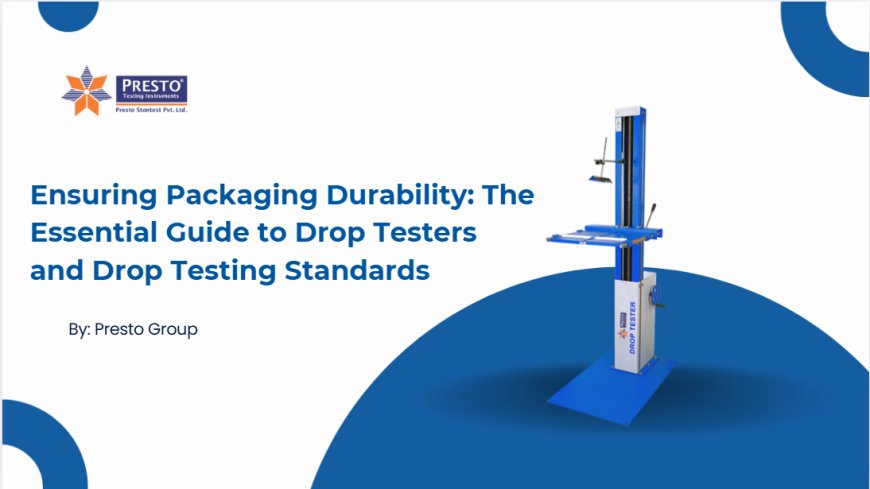
In today’s fast-paced shipping and logistics world, ensuring the durability of products during transit is more crucial than ever. From fragile electronics to delicate glassware, goods can experience numerous impacts, falls, and shocks before reaching the customer. This is where drop testing plays a vital role. Using specialized equipment like a drop tester or drop impact tester, manufacturers can assess how well their products withstand the rigors of transportation, helping prevent damage, reduce returns, and enhance customer satisfaction.
What is a Drop Test?
A drop test is a controlled experiment designed to simulate the conditions a product may face during handling, transportation, or accidental falls. It evaluates the product’s ability to endure shocks, impacts, and drops from specific heights. By recreating real-world scenarios in a laboratory or testing facility, companies can ensure that their packaging and products meet quality and safety standards.
There are several types of drop tests, including:
-
Free fall drop tests – where the product is dropped from a defined height onto a hard surface.
-
Inclined impact tests – where the product slides down a slope to strike a surface.
-
Corner, edge, and face drops – to test specific weak points in packaging.
These tests help identify design weaknesses and improve product packaging before it reaches the market.
The Role of a Drop Tester
A drop tester is a specialized machine used to perform repeatable and controlled drop tests. Unlike manual testing, a drop tester provides precise control over the height, angle, and surface of impact. Modern drop testers come with adjustable platforms, pneumatic or electronic release mechanisms, and advanced sensors to record the impact forces.
Some key features of a drop tester include:
-
Adjustable drop heights to simulate different handling scenarios.
-
Multiple surfaces for impact testing, such as wood, steel, or concrete.
-
Automated cycles for repeated drop testing, ensuring consistency.
-
Data acquisition systems to measure shock, acceleration, and deformation during impact.
By using a drop tester, manufacturers can not only verify the durability of their packaging but also refine it for optimal protection.
Understanding Drop Test Standards
To ensure consistency and reliability, drop tests are often conducted according to recognized drop test standards. These standards define test methods, drop heights, packaging orientations, and evaluation criteria. Adhering to these standards ensures that test results are comparable across products and industries.
Some commonly referenced drop test standards include:
-
ASTM D5276 – Standard Test Method for Drop Test of Loaded Containers by Free Fall.
-
ISTA 1A and ISTA 2A – International Safe Transit Association standards for package testing.
-
ISO 2248 – Packaging – Complete, filled transport packages – Drop test method.
These standards provide guidelines not only for how to conduct the test but also for interpreting the results, such as determining whether a package passes or fails the test. Manufacturers often rely on these standards to maintain compliance and ensure customer satisfaction.
Applications of Drop Testing
The applications of drop testing extend across numerous industries. Here are some examples:
-
Electronics – Smartphones, laptops, and other devices are subjected to drop tests to ensure they survive accidental falls during shipping or user handling.
-
Medical Devices – Fragile instruments and equipment must withstand impact without compromising performance.
-
Consumer Goods – From glass bottles to packaged foods, drop testing ensures products arrive intact at retail stores or customers’ homes.
-
Industrial Components – Heavy machinery parts and automotive components undergo rigorous drop tests to ensure safety and reliability.
By performing drop tests, companies can reduce product damage, lower return rates, and enhance brand reputation.
Benefits of Using a Drop Impact Tester
A drop impact tester is an advanced variant of a drop tester that provides precise measurements of impact forces. Here’s why it is indispensable in quality control:
-
Accuracy – Measures exact shock and impact levels during a drop.
-
Repeatability – Ensures the same test conditions are applied for multiple samples.
-
Compliance – Helps meet international and industry-specific drop test standards.
-
Cost Savings – Reduces losses by identifying weak packaging designs before mass production.
-
Data-Driven Insights – Records valuable information for engineering and design improvements.
Using a drop impact tester allows manufacturers to move beyond guesswork and make informed decisions about product packaging and design improvements.
How to Conduct a Drop Test
Conducting a drop test involves several essential steps:
-
Preparation – Select the product, packaging, and drop surface. Ensure the sample is representative of actual shipping conditions.
-
Height and Orientation – Determine the drop height and orientation based on the product type and relevant standards. Drops can be flat, corner, or edge-oriented.
-
Testing – Use a drop tester to release the product. Record the impact forces, shocks, and any damage observed.
-
Analysis – Examine the product and packaging for any signs of failure, such as cracks, dents, or broken seals.
-
Reporting – Document the results and compare them against the applicable drop test standard. Use the findings to refine packaging or design as needed.
Following these steps ensures a systematic approach to evaluating product durability.
Emerging Trends in Drop Testing
With the rise of e-commerce and global shipping, drop testing technology is evolving rapidly. Some of the latest trends include:
-
Automated Drop Testing – Robotic systems that can perform multiple tests with minimal human intervention.
-
Data Integration – Sensors and IoT devices that provide real-time analytics on impact forces.
-
Customized Testing Protocols – Tailored tests to mimic unique shipping or handling conditions.
-
Sustainability Focus – Testing eco-friendly packaging materials to ensure they provide the same level of protection as traditional materials.
These innovations are making drop testing more efficient, accurate, and adaptable to changing industry needs.
Conclusion
In a world where product safety and customer satisfaction are paramount, drop testing has become an essential quality assurance practice. Whether you are using a drop tester or a drop impact tester, following recognized drop test standards ensures your products can withstand the challenges of shipping and handling. By investing in proper drop testing, manufacturers can prevent damage, reduce costs, and enhance brand reputation—ultimately delivering confidence and reliability to their customers.
Whether you are a packaging engineer, quality control professional, or product designer, understanding and implementing drop testing is key to ensuring your products arrive safely and intact.
Ready to Ensure Your Products Survive Every Drop?
Protect your goods, improve packaging, and meet international drop test standards with our advanced drop testers and drop impact testers.
📞 Call us today: +91 9210 903 903
📧 Email us: info@prestogroup.com
Get expert guidance and customized solutions for your drop testing needs now!


