Electrical Contactors and Relays: Ensuring Safety and Efficiency in Circuits

In modern electrical systems, ensuring safety and efficiency is critical for both residential and industrial applications. The reliability of these systems largely depends on the quality of control and protection devices used, particularly electrical contactors and relays. These components play a pivotal role in controlling the flow of electricity, protecting equipment, and automating operations. Understanding their functions, applications, and best practices for installation and maintenance is essential for anyone looking to optimize their electrical systems. This guide explores these devices in detail, highlighting their significance and practical use.
Understanding Electrical Contactors
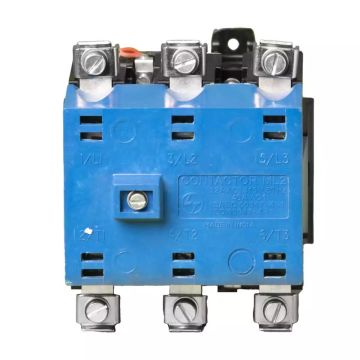
Electrical contactors are electromechanical switches designed to control high-voltage or high-current circuits safely. They are primarily used to switch electrical loads on and off, such as motors, lighting systems, heaters, and other heavy-duty equipment. By using a low-power control signal, contactors can manage large currents without manual intervention, which enhances safety and convenience.
One common type is the contactor 32 amp , which is widely used in industrial and commercial installations to control moderate to high-current loads. This device ensures smooth operation of machinery and provides reliable switching without overloading the control circuit.
Key features of electrical contactors include:
-
High Switching Capacity: They can manage large currents efficiently, making them suitable for industrial machines and commercial systems.
-
Durability: Contactors are designed to endure frequent operation, often handling thousands of switching cycles without failure.
-
Safety: By isolating the control circuit from the high-power circuit, they reduce the risk of electric shock and equipment damage.
Understanding Electrical Relays
Relays are another essential component in electrical circuits. Unlike contactors, relays typically handle lower current loads but perform similar switching functions. They operate as electrically operated switches, allowing circuits to be controlled remotely or automatically based on certain conditions.
Relays are available in various types, such as:
-
Electromechanical Relays: Use a coil and moving contacts to open or close circuits.
-
Solid-State Relays: Use semiconductor devices for switching, offering faster operation and greater reliability.
-
Thermal Overload Relays: Protect motors by disconnecting circuits when excessive current is detected.
Relays enhance circuit efficiency and safety by automating operations and preventing electrical faults from causing damage to equipment or systems.
Benefits of Electrical Contactors and Relays
Incorporating electrical contactors and relays into your system provides multiple benefits:
-
Enhanced Safety: Contactors and relays isolate control circuits from high-power loads, reducing the risk of electrical shocks and short circuits.
-
Operational Efficiency: Automated switching allows equipment to operate smoothly and reliably, minimizing downtime.
-
Equipment Protection: Thermal overload relays and other protective relays prevent overheating and overcurrent, prolonging the lifespan of electrical devices.
-
Remote Control and Automation: Relays enable remote operation and integration with control systems, supporting modern automation solutions.
-
Energy Management: Proper use of contactors and relays can optimize energy consumption by ensuring equipment operates only when needed.
Applications of Electrical Contactors and Relays
The versatility of electrical contactors and relays makes them indispensable across various sectors:
-
Industrial Plants: Control and protect motors, pumps, conveyor systems, and heavy machinery.
-
Commercial Buildings: Manage lighting, heating, ventilation, and air-conditioning systems efficiently.
-
Residential Applications: Operate high-power appliances like water heaters or air-conditioning units safely.
-
Automation Systems: Serve as integral components in programmable logic controllers (PLCs) for automated operations.
-
Renewable Energy Systems: Protect inverters, battery banks, and solar power equipment from electrical faults.
Using a contactor 32 amp in these applications ensures that moderate to high-power equipment can be switched safely and reliably, making it a popular choice for industrial and commercial setups.
Choosing the Right Electrical Contactors and Relays
Selecting the right contactors and relays requires consideration of several factors:
-
Current Rating: Ensure the device can handle the load current of the equipment it controls. For instance, a contactor 32 amp is suitable for medium-power loads.
-
Voltage Rating: The device should be rated for the system voltage to avoid overloading and ensure safety.
-
Frequency of Operation: Industrial systems with frequent switching require durable contactors capable of handling thousands of cycles.
-
Type of Load: Motors, lighting, and resistive loads may require different contactor and relay types.
-
Environmental Conditions: Consider factors like temperature, humidity, and dust, as these affect the longevity and reliability of the device.
-
Compliance with Standards: Ensure the devices meet national and international safety and quality certifications.
Proper selection of contactors and relays ensures system reliability, reduces maintenance costs, and enhances overall safety.
Installation Best Practices
Correct installation is crucial for the safe and efficient operation of electrical contactors and relays:
-
Professional Installation: Engage qualified electricians or technicians to install contactors and relays according to manufacturer guidelines.
-
Secure Mounting: Ensure devices are mounted on appropriate panels or DIN rails to prevent movement or vibrations that could affect performance.
-
Proper Wiring: Use wires of suitable gauge and ensure all connections are tight to avoid overheating and arcing.
-
Adequate Ventilation: Contactors and relays generate heat during operation; provide sufficient airflow to prevent overheating.
-
Integration with Protective Devices: Combine contactors with overload relays, circuit breakers, and fuses for comprehensive protection.
-
Testing: After installation, test the system to ensure correct operation of all contactors, relays, and protective devices.
Following these best practices ensures safety, minimizes downtime, and extends the lifespan of the devices.
Maintenance Tips
Routine maintenance of electrical contactors and relays is essential to prevent failures and maintain efficiency:
-
Inspect for signs of wear, corrosion, or overheating.
-
Clean dust and debris from contacts and terminals regularly.
-
Check for loose connections and tighten as necessary.
-
Replace worn or damaged contacts to ensure reliable switching.
-
Test relays periodically to verify correct operation under load conditions.
-
Maintain a record of maintenance activities for future reference and troubleshooting.
Regular maintenance improves reliability, reduces the risk of unexpected failures, and ensures long-term safety.
Future Trends in Electrical Contactors and Relays
With advancements in technology, modern electrical contactors and relays are evolving:
-
Smart Contactors: Integration with IoT and automation systems allows real-time monitoring and remote control.
-
Energy-Efficient Relays: Advanced designs minimize energy loss and improve operational efficiency.
-
Compact Designs: Smaller, modular devices save space in control panels while maintaining high performance.
-
Enhanced Safety Features: Improved insulation, arc suppression, and overload protection enhance user safety.
These innovations make contactors and relays more efficient, reliable, and compatible with smart electrical systems.
Conclusion
Electrical contactors and relays are critical components for ensuring safety, efficiency, and reliability in modern electrical systems. A contactor 32 amp provides safe control of medium-power loads, while relays automate operations and protect equipment from electrical faults. Proper selection, installation, and maintenance of these devices ensure uninterrupted operation, reduce downtime, and safeguard both equipment and personnel.
Lauritz Knudsen Electrical and Automation offers high-quality electrical contactors and relays, including reliable contactor 32 amp solutions designed for industrial, commercial, and residential applications. Their advanced electrical products and expertise ensure optimal performance, safety, and efficiency in every circuit, providing peace of mind for all power management needs.