


























Comparing Stainless Steel and Plastic Belt Food Conveyors
Compare stainless steel vs. plastic food conveyors. Learn how conveyor parts, maintenance, and accessories influence performance in food processing.

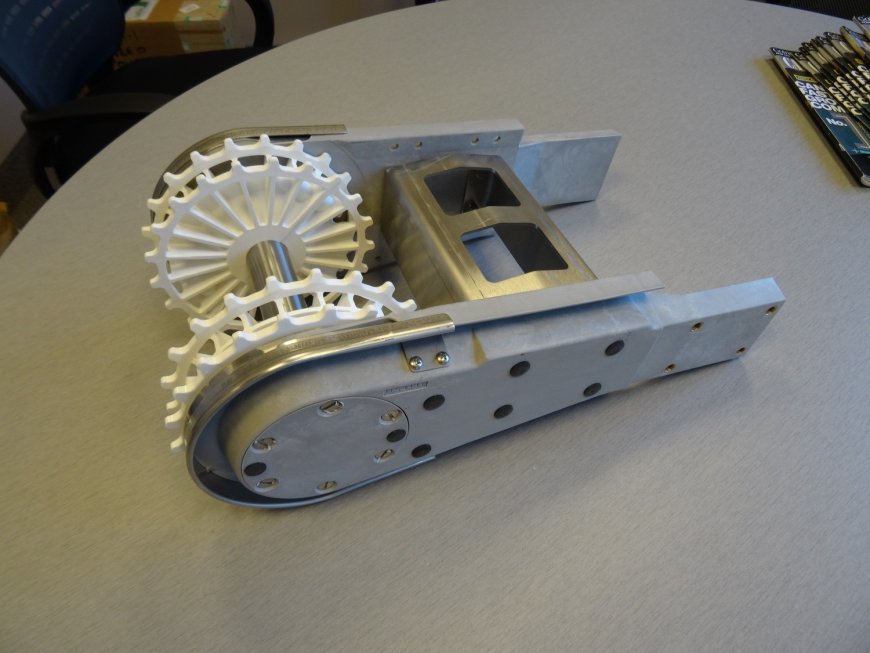
Food-grade conveying applications require material handling equipment that meets specific hygiene, performance, and maintenance demands. When evaluating equipment for food processing, the material composition of the conveyor belt and related components becomes a central factor.
Stainless steel and plastic belt systems both offer advantages, but the selection between them depends on factors such as cleaning frequency, load requirements, space constraints, and replacement planning. The evaluation must extend beyond the belt material to encompass the entire range of conveyor components, belt parts, and belt conveyor accessories that impact performance and maintenance.
Structural Characteristics and Food Safety
Stainless steel belt conveyors are constructed using welded steel frames, offering exceptional resistance to corrosion and high-pressure washdowns. These systems are suitable for use in meat, poultry, seafood, and dairy processing environments where cleaning protocols require the use of aggressive chemical agents. Plastic belt conveyors, on the other hand, use modular interlocking segments made from polyethylene, polypropylene, or acetal. These segments snap together, allowing quick disassembly and replacement of individual sections, which benefits operations that require frequent changeovers.
Food safety demands direct design responses. Stainless steel conveyors feature sloped surfaces and open frames, which help eliminate debris accumulation. Plastic belts provide non-porous, chemical-resistant surfaces that withstand repeated sanitation cycles without warping. Regardless of the base material, integrating quick-release belt tensioners and tool-less belt lifters significantly improves cleanability, reducing downtime and the risk of cross-contamination.
Maintenance and Replacement Planning
The availability and modularity of conveyor components shape long-term maintenance planning. Plastic belts support localized repairs through modular kits, eliminating the need for complete belt replacement. This simplifies inventory stocking and limits process interruption. Stainless steel belts require a more complex process for belt changes, often necessitating the use of mechanical tools and additional time.
Key belt conveyor accessories such as scraper systems and belt lifters are critical to minimizing buildup during runtime and facilitating cleaning during maintenance windows. In plastic systems, these accessories are often built into the modular design. In contrast, stainless steel systems rely on robust add-ons or fixed elements that withstand abrasive cleaning and thermal cycling.
Modular design also contributes to simplified upgrades.
Plastic belt conveyors often include backup motor and control assemblies, which reduce the mean time to repair when motors overheat or experience overload. These parts are generally lighter and easier to access than similar components on stainless steel machines, making replacement work faster and safer.
Load Requirements and Environmental Conditions
Stainless steel conveyors outperform in environments with extreme temperatures, abrasive products, or caustic washdowns. Their structural rigidity enables them to handle heavier loads and maintain alignment over long spans. In contrast, plastic belt conveyors are well-suited for dry, ambient-temperature settings, such as bakeries, snack production, and packaging lines, where loads are moderate and changeovers are frequent.
Cleaning methods play a significant role in determining the choice between the two. Stainless steel systems accommodate full hose-down and foaming disinfection methods. Plastic belts can be cleaned using spray-and-wipe sanitation with milder chemicals. Still, some environments may restrict their use due to the risk of material fatigue or microbial retention in worn interlocks.
Space constraints also influence configuration.
Plastic belt conveyors offer tighter turning radii and better adaptability for curved layouts or Z-frames, providing enhanced flexibility for complex applications. Stainless steel systems typically require more installation clearance due to their solid construction and heavier structural frames.
Accessory Options and Operational Flexibility
Modern conveying systems integrate multiple belt conveyor accessories to improve usability without compromising hygiene or performance.
These include:
? Tool-less adjustable guides for product containment and alignment.
? Modular replacement kits for rapid changeouts of damaged belt segments.
? Quick-release belt tensioners simplify access to sanitation.
? Backup motor and control assemblies to limit downtime in continuous operations.
? Belt lifters and scraper systems to manage debris during runtime and reduce manual cleaning effort.
Both stainless steel and plastic systems can support these components, but integration methods differ. Tool-less accessories on plastic belts often clip directly into modular links. Stainless steel systems utilize bracketed or welded connections, which increase durability but reduce flexibility.
Selecting the Right Conveyor for Food Production
Material selection for food conveyors should reflect processing requirements, cleaning protocols, and layout constraints. Operations prioritizing sanitation and structural integrity lean toward stainless steel. Facilities needing modularity, ease of reconfiguration, and lower belt replacement costs benefit from plastic belt designs.
The performance of food conveyors depends on more than base materials. Selecting compatible conveyor belt parts and conveyor components significantly impacts maintenance time, operational throughput, and safety compliance. Whether upgrading an existing line or sourcing new conveyors, understanding how conveyor parts interact with daily operations is essential to avoid delays and unforeseen repair costs.
Check out Conveyor Options with Conovey
Food processing units evaluating conveyor materials must look beyond surface characteristics to consider other factors. The real decision lies in how conveyor components, accessories, and long-term maintenance requirements align with plant demands.
Modular plastic designs offer reconfigurability, while stainless steel builds provide ruggedness for demanding sanitation applications. For a complete assessment of conveyor parts and options suited to a specific application, contact Conovey for a structured consultation.


