


























Can People Be Allergic to Weed? Symptoms, Causes, and What Science Says

Cannabis is often celebrated for its calming touch, easing pain, softening anxiety, and helping with sleep.
But here's a question most people don't think to ask until it hits close to home:
Can people be allergic to weed?
The short answer: yes. And for some, it's more than a mild inconvenience; it's a genuine medical concern. At ECS Wellness, this conversation must be rooted in science, not hype, and shaped around your personal health reality.
What "Allergic to Weed" Really Means
An allergy happens when your immune system mistakes something harmless for a threat. The reaction? Your body goes on the offensive.
With cannabis, the triggers can vary:
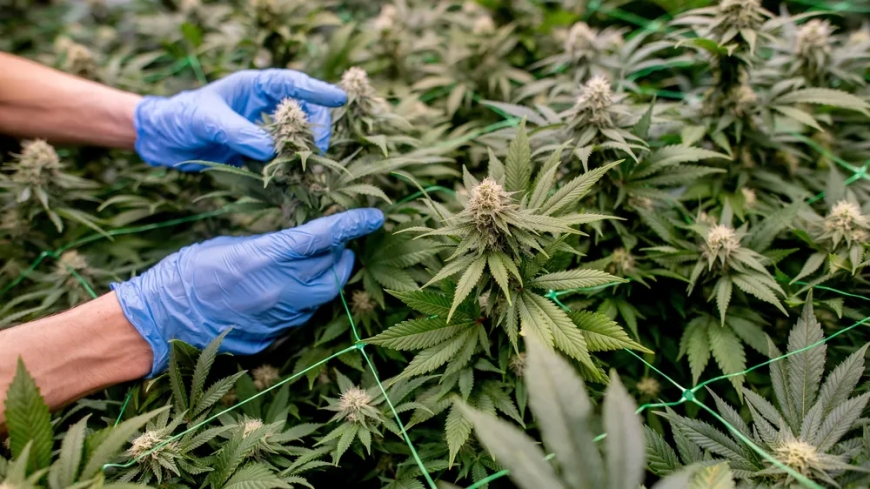
- Plant proteins or pollen often affect growers, trimmers, or people exposed during harvest.
- Smoke or raw plant contact — the skin can react when touching the plant.
- Edibles, tinctures, or oils — reactions can happen to extracts or even contaminants in the product.
Sometimes it's the cannabis itself. Sometimes it's what's mixed in.
Spotting the Symptoms
Allergic reactions to cannabis can range from "barely noticeable" to "emergency room right now."
Mild to Moderate Signs:
- Sneezing, coughing, and a runny nose
- Itchy or watery eyes
- Skin rashes, hives, or red patches after contact
- Upset stomach or nausea after consuming edibles
These can look suspiciously like seasonal allergies or food sensitivities, which makes them easy to miss. If they show up every time you're around cannabis, it's worth paying attention.
Severe (Rare but Serious) Reactions:
- Swelling of lips, tongue, or throat
- Trouble breathing or wheezing
- Dizziness, rapid heartbeat, and fainting
That last group? Those symptoms could mean anaphylaxis, which is a life-threatening emergency. If it happens, skip the "wait and see" — call 911.
What the Science Says
This isn't urban myth territory; medical literature backs it up. Cannabis allergies are becoming more common simply because more people are handling and consuming it.
A few culprits scientists have identified:
- Cross-reactivity with certain foods — apples, peaches, bananas, tomatoes, almonds, chestnuts, and eggplant share proteins that can trigger similar immune responses.
- Terpenes and carrier oils — even CBD products can cause issues if you're sensitive to additives like coconut oil or MCT.
- Contaminants — pesticides, mold, or processing chemicals can spark reactions in sensitive individuals.
And here's the kicker: CBD isn't a guaranteed safe zone. Even pharmaceutical-grade CBD (like Epidiolex) has been linked to rashes and immune responses in rare cases.
How ECS Wellness Approaches Diagnosis
Self-diagnosing an allergy is risky. Symptoms can overlap with other conditions, and you could be guessing wrong without proper testing.
Here's what a proper workup can involve:
- Medical history review — noting when symptoms occur, what you were exposed to, and how quickly you reacted.
- Skin testing — in a controlled setting, applying small amounts of cannabis extract to watch for reactions.
- Blood testing — checking for IgE antibodies that point toward an allergic trigger.
At ECS Wellness, we avoid casual "try it and see" experiments. Testing happens in safe, clinical environments with professionals who understand cannabis and allergy care.
Managing Reactions
If it's mild to moderate:
- Stop using cannabis immediately.
- Avoid the triggering form — whether that's smoking, edibles, or plant handling.
- Use OTC antihistamines, nasal sprays, or soothing creams for relief.
- Book a follow-up with a medical provider if symptoms keep coming back.
If it's severe or anaphylactic:
- Use an EpiPen if you have one.
- Call emergency services without delay.
After that, you and your provider can talk about next steps, whether that's avoiding cannabis entirely or adjusting how (and what) you use.
Prevention: Playing it Smart
There's no widely accepted "allergy shot" for cannabis yet, so prevention is about minimizing risk:
-
Avoid Direct Contact if You’re Sensitive
Skip handling raw cannabis plants if you’ve had skin reactions before. Direct contact can trigger rashes, hives, or other irritation, even if symptoms seem mild at first.
-
Use Protective Gear in Work Environments
If you work in cultivation, trimming, or packaging, wear protective gloves and a well-fitted mask. This helps reduce your exposure to pollen, plant particles, and other airborne allergens.
-
Improve Air Quality Around Grow Areas
Air filtration systems can make a significant difference in spaces where cannabis is grown or processed. They help capture pollen and dust, creating a cleaner breathing environment.
-
Choose Products That Minimize Triggers
If terpenes or THC cause your symptoms, CBD isolates are a better option than full-spectrum products. Isolates are stripped of most other plant compounds, reducing the likelihood of an allergic response.
ECS Wellness builds these kinds of safeguards into patient plans so you can explore cannabis without crossing your body's limits.
Final Word
So the straight answer to “can people be allergic to weed?” Yes, you can be allergic to weed. For some, it's a mild annoyance. For others, it's serious business. The only safe way forward is to respect your body's signs and work with professionals who take your health as seriously as you do.
At ECS Wellness, cannabis isn't pushed blindly. It's introduced with care, backed by science, and tailored to your needs. If you think you might be reacting to cannabis, we'll help you figure out why and guide you toward safer, more innovative options.


