


























Can French Horn Play Trombone Parts? A Professional Guide

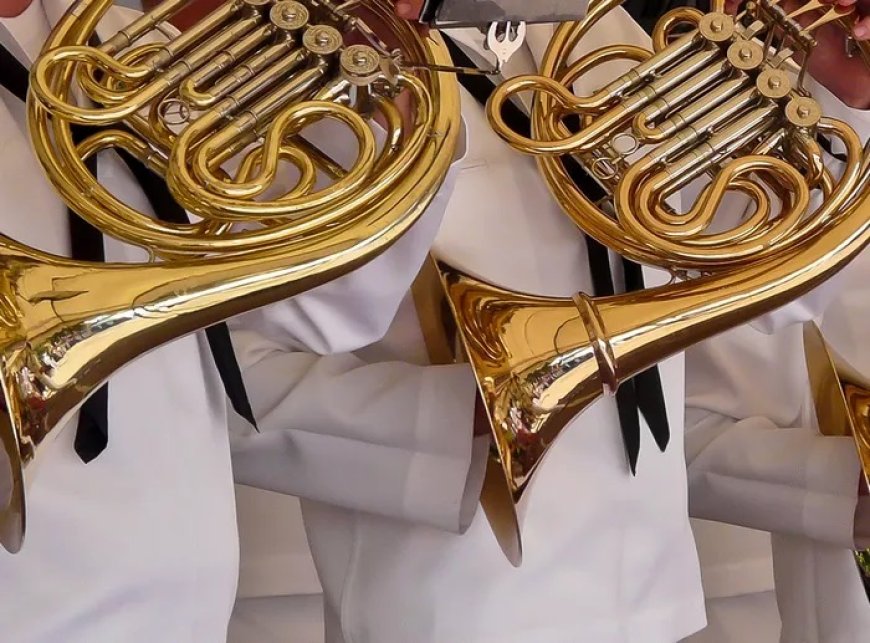
The question of whether a French horn can play trombone partsoften arises among brass players, arrangers, and conductors. While both arebrass instruments, they differ significantly in design, technique, and typical musical roles. This article provides an in-depth professional analysis of the feasibility, challenges, and practical considerations when a Frenchhornplayer is asked to cover trombone parts.
Basic Differences Between French Horn and Trombone
Instrument Design and Sound Production
TheFrench horn?and trombone differ fundamentally in construction. The French horn uses rotaryvalvesand has a long, coiled tubing, producing a mellow, rounded tone. In contrast, the trombone employs a telescoping slide mechanism, allowing continuous pitch adjustment and a brighter, more direct tone.
Range andTransposition
The typicalFrench horn rangeextends roughly from the second below middle C (F#2) up to high C (C6) and beyond in advanced playing. Trombone range usually spans from E2 to around B4 or higher, depending on player skill. The French horn is atransposing instrument, commonly written in F, while the trombone is a non-transposing instrument sounding atconcert pitch.
Role in Ensembles
French horns often play harmony, melodic lines, and add warmth to orchestral and band settings. Trombone parts frequently focus on strong, direct harmonic support, melodic passages, and occasional technical passages involving slide techniques unique to the instrument.
Range Compatibility
Overlapping Ranges
There is a significant overlap in the ranges of the French horn and trombone. Many trombone parts fall comfortably within the horns playable range. Therefore, in terms of pitch, a French horn player can technically reach many notes written for trombone.
Extreme Registers
However, some lowtrombone notes(such as the pedal tones below E2) may be difficult or impossible on the horn due to its higher fundamental pitch and tubing length. Likewise, some very high trombone parts can challenge the horns upper register, though skilled horn players often have a wide range.
Technical and Musical Challenges
Slide Technique vs. Valve Technique
The trombones slide allows smooth glissandos, portamento effects, and microtonal pitch adjustments. The French horn, with its valves, can only approximate these effects with lip technique and hand-stopping but cannot replicate slide effects perfectly. This limits stylistic authenticity when playing trombone parts on horn.
Articulation andTimbre
Trombone parts often require crisp, direct attacks and a brighter tone, which contrast with the French horns warmer, rounder timbre. Horn players must adapt their playing style to match articulation demands, but the intrinsic tone difference remains.
Breath Support and Phrasing
The French horn requires a focused, steady airstream to produce a stable sound, while the trombones slide can assist with phrasing by connecting notes smoothly. Horn players must adjust breath control and phrasing to compensate.
Practical Scenarios for Playing Trombone Parts on French Horn
Orchestral and Wind Ensemble Contexts
In emergency situations, such as a missing trombonist, horn players might be asked to cover trombone parts. While feasible for simpler lines in the horns range, this is not ideal for complex slide passages or very low notes.
Arranging and Transcribing
Arrangers can transpose trombone parts up an octave or alter them slightly to fit the horns range and technical capabilities. Adjustments in phrasing and dynamics help accommodate the horns unique tone and playing style.
Chamber Music and Brass Ensembles
In small brass ensembles, flexibility is often needed. Horn players may double trombone lines for blend or balance purposes, though careful attention to register and style is necessary.
Adaptations and Tips for Horn Players Tackling Trombone Parts
Transposition Techniques
Horn players should be comfortable transposing trombone parts from concert pitch to horn pitch (usually up a perfect fifth) and adjusting for the horns higher fundamental pitch.
Practicing Extended Range
To cover trombone parts effectively, horn players need to develop the lower and upper extremes of their range. Exercises focusing on pedal tones and high notes improve flexibility.
Emulating Slide Effects
While a horn cannot slide notes physically, players can use hand-stopping and controlled lip bends to mimic slide-like effects within limitations.
Focus on Articulation
Clear articulation and dynamic control help horn players approach the directness required in trombone parts, although tonal differences persist.
Limitations to Keep in Mind
Loss of SlideGlissandoand Effects
Horn players cannot reproduce the trombones slide glissandos or legato slides exactly, which affects stylistic authenticity.
Range Constraints
Very low trombone notes and some rapid slide passages remain outside practical horn technique.
Blending and Balance Issues
Horns tone may stand out in ensemble settings if playing trombone parts, potentially requiring careful balance and blending.
Conclusion
In summary, the French horn can play many trombone parts, especially where range and technical demands overlap. However, differences in instrument design, tone, technique, and slide capabilities mean that horn players must make adaptations, and certain trombone effects and notes cannot be authentically reproduced. For arrangers and performers, understanding these limitations helps ensure musical integrity while allowing flexible brass instrumentation when necessary.
Horn players expanding their skills to cover trombone parts benefit from focused practice on range, articulation, and creative techniques to approximate slide effects. Arrangers should consider transposition and stylistic adjustments to suit the horns unique characteristics. Collaboration and open communication between players, conductors, and arrangers lead to successful performances when horn players tackle trombone roles.


