Blood Tests: Types, Results & How They Work
Learn about blood test types, results, and how they work. Explore options for fast, cheap private blood tests in London with same-day results.

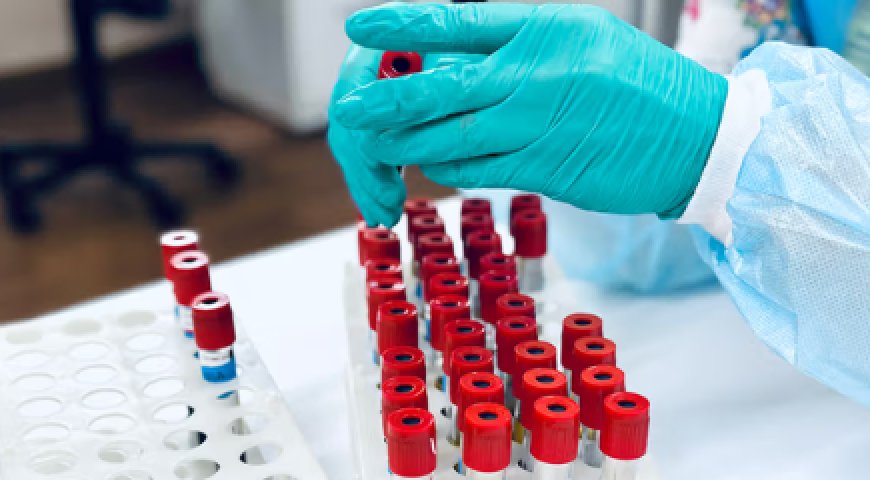
Blood tests are one of the most common and valuable tools in modern healthcare. They provide vital information about your overall health, help detect medical conditions early, and allow doctors to monitor ongoing treatments.
In the UK, demand for fast and convenient testing is rising. While NHS blood tests remain essential, private clinics are increasingly popular for those who need rapid access, same-day appointments, and quick results.
What Are Blood Tests and Why Are They Important?
The Role of Blood Tests in Healthcare
Blood tests are used for a wide range of purposes, including:
- Detecting illness early – from infections to long-term conditions such as diabetes or thyroid disease.
- Monitoring ongoing conditions – helping doctors track how your body responds to treatments.
- Checking organ function – such as liver, kidney, or heart health.
- Assessing nutritional health – identifying deficiencies in vitamins and minerals.
What Happens During a Blood Test?
A blood test is a simple and quick procedure. A healthcare professional usually takes a small sample of blood from a vein in your arm using a sterile needle. The sample is then sent to a UKAS-accredited laboratory for analysis.
The procedure is very safe and only causes minimal discomfort. Some people may experience a small bruise or mild dizziness, but these effects usually pass quickly.
Common Types of Blood Tests
Full Blood Count (FBC)
- Measures: red blood cells, white blood cells, haemoglobin, and platelets.
- Uses: detecting anaemia, infections, and some blood disorders.
Liver Function Tests (LFTs)
- Checks enzymes and proteins linked to liver health.
- Useful for alcohol-related damage, hepatitis, or monitoring medication side effects.
Kidney Function Tests
- Measures creatinine and urea levels.
- Important for those with diabetes, high blood pressure, or kidney disease risk.
Cholesterol & Lipid Profile
- Measures HDL (“good cholesterol”), LDL (“bad cholesterol”), and triglycerides.
- Helps assess risk of heart disease and stroke.
Thyroid Function Tests
- Measures TSH, T3, and T4 hormone levels.
- Identifies underactive (hypothyroidism) or overactive (hyperthyroidism) thyroid.
Blood Glucose & HbA1c
- Used to screen for and monitor diabetes.
- HbA1c reflects average blood sugar over the last 2–3 months.
Vitamin & Mineral Tests
- Common tests include Vitamin D, Vitamin B12, folate, and iron studies.
- Helps explain symptoms like fatigue, weakness, or low immunity.
Hormone Tests
- Includes tests for reproductive hormones, cortisol, or testosterone.
- Often used for fertility assessments, menopause checks, or adrenal gland evaluation.
How Long Do Blood Test Results Take?
NHS vs. Private Testing
- NHS: Often effective but may involve long waiting times for appointments and results.
- Private Clinics: Many offer same-day appointments and results within 24–48 hours.
Understanding Your Results
Your results will usually be presented with reference ranges, showing whether your levels are normal or outside expected limits. It’s important to remember that results should always be interpreted by a qualified doctor, as many factors can influence blood values.
How Accurate Are Blood Tests?
Blood tests performed in accredited UK laboratories are highly accurate and reliable. Standards are closely regulated by UKAS (United Kingdom Accreditation Service).
While home finger-prick kits are available, they may not always be as reliable, and follow-up with a healthcare professional is essential for accurate interpretation.
When Should You Get a Blood Test?
Routine Health Checks
Annual or periodic blood tests can help identify silent health issues before symptoms develop.
Specific Symptoms
If you’re experiencing ongoing fatigue, unexplained weight changes, or recurrent infections, your doctor may recommend targeted blood tests.
Long-Term Condition Monitoring
Patients with diabetes, thyroid disease, or heart problems often require regular blood tests to monitor progress and adjust treatments.
Safety and Considerations
- Risks are minimal, with occasional bruising or light-headedness.
- Always use a CQC-registered clinic or GP surgery for safe, regulated care.
- Avoid non-medical providers, as blood tests must be performed and interpreted by trained professionals.
Conclusion
Blood tests are an essential part of modern healthcare, providing crucial insights into your health and helping doctors diagnose, monitor, and manage a wide range of conditions.
If you need rapid results without NHS delays, you may benefit from cheap private blood tests in London. With same-day appointments, fast turnaround times, and professional interpretation, private testing offers convenience and peace of mind whenever you need it.