Best Food Safe Paint Sealers for Your DIY Projects
Discover the best food safe paint sealer options to protect wood, enhance durability, and ensure safety for kitchens, garden boxes, and more.
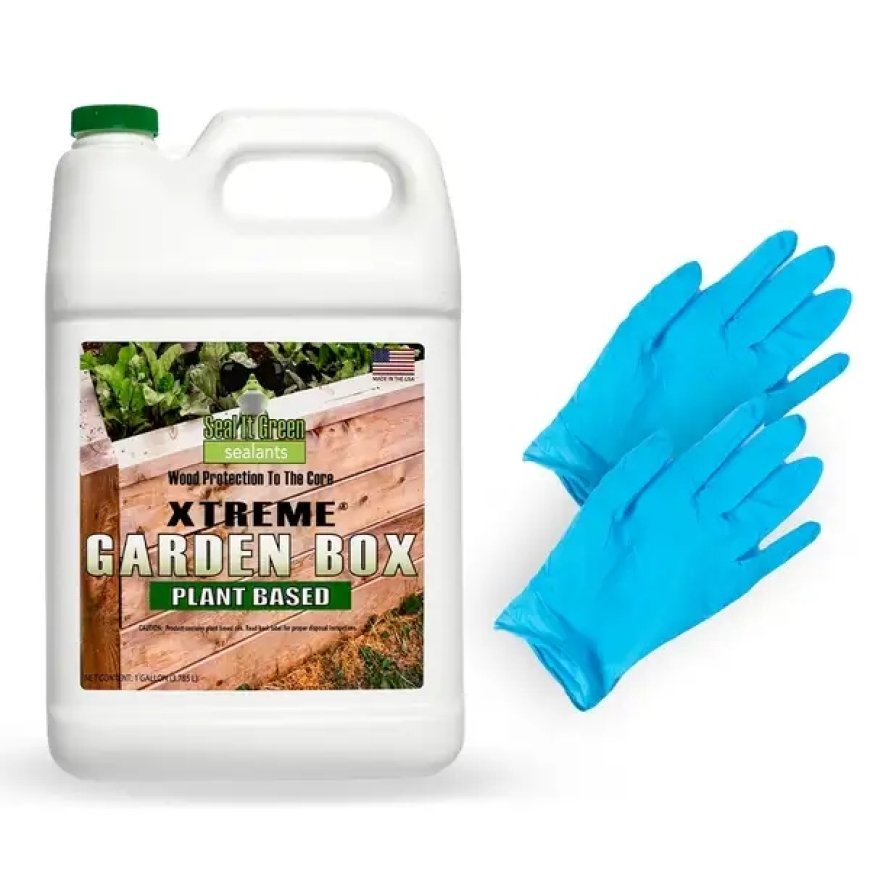
When working on DIY projects that involve surfaces used for preparing, serving, or storing food, choosing the right protective coating is crucial. Not all sealers are safe for contact with food, and using the wrong one can lead to health risks. This is why selecting a food safe paint sealer is important for both safety and durability. These specialized sealers protect wood, maintain its appearance, and ensure it remains non-toxic, making them perfect for cutting boards, serving trays, garden boxes, and kitchen countertops. In this guide, well explore what makes these sealers safe, their benefits, and how to choose the best one for your project.
Why Food Safe Sealers Matter
Food safe sealers are designed to create a protective barrier without releasing harmful chemicals. When you place food on a surface, the finish must be non-toxic and resistant to moisture to prevent bacteria growth. Common sealers for general use often contain solvents or additives that are unsafe when in direct contact with food. This makes food safe sealers a necessity for kitchens, restaurants, and even garden boxes where edible plants grow.
Key Features of a Good Food Safe Sealer
A high-quality food safe paint sealer should be non-toxic, water-resistant, and easy to apply. Look for certifications such as FDA compliance for food contact surfaces. Oil-based natural sealers like tung oil or mineral oil are common, but modern water-based polyurethanes labeled as food safe can also be excellent. Additionally, the finish should be durable enough to withstand cleaning, cutting, and exposure to moisture without peeling or flaking.
Choosing the Right Sealer for Different Projects
Different projects may require different types of sealers:
-
Kitchen surfaces: Need a sealer thats resistant to water, heat, and stains.
-
Cutting boards: Should use penetrating oils that condition wood without forming a thick surface layer.
-
Garden projects: Require UV and moisture protection.
For example, a garden box sealer is formulated to withstand outdoor conditions while keeping soil and plants safe from chemicals.
Eco-Friendly and Sustainable Options
If you want to be environmentally conscious, consider a Sustainable wood sealer. These sealers are made from renewable resources, have low VOC emissions, and are biodegradable. They protect wood while reducing your environmental footprint, making them perfect for eco-conscious homeowners and DIY enthusiasts.
Application Tips for Best Results
-
Prepare the surface by sanding it smooth and cleaning it thoroughly.
-
Apply thin, even coats using a brush or cloth.
-
Allow proper drying time between coats as recommended by the manufacturer.
-
Finish with a light sanding for a smooth, food-safe surface.
-
Reapply periodically to maintain protection and appearance.
Common Mistakes to Avoid
-
Using general-purpose sealers not intended for food contact.
-
Applying too thick of a coat, which can trap moisture and lead to peeling.
-
Skipping proper curing time before using the surface.
Summary
Choosing the best food safe paint sealer ensures your projects are safe, long-lasting, and beautiful. Whether youre sealing a cutting board, countertop, or garden box, the right product will protect the wood and keep harmful chemicals away from your food. By opting for eco-friendly, sustainable sealers and following proper application methods, you can achieve a safe, durable, and attractive finish for years to come.