Adapting to Kansas Weather Extremes: The Role of Modern HVAC Systems
Unlock efficient HVAC performance with MCP Facility Services, offering expert commercial heating, cooling, and maintenance across Kansas to keep your workplace comfortable.

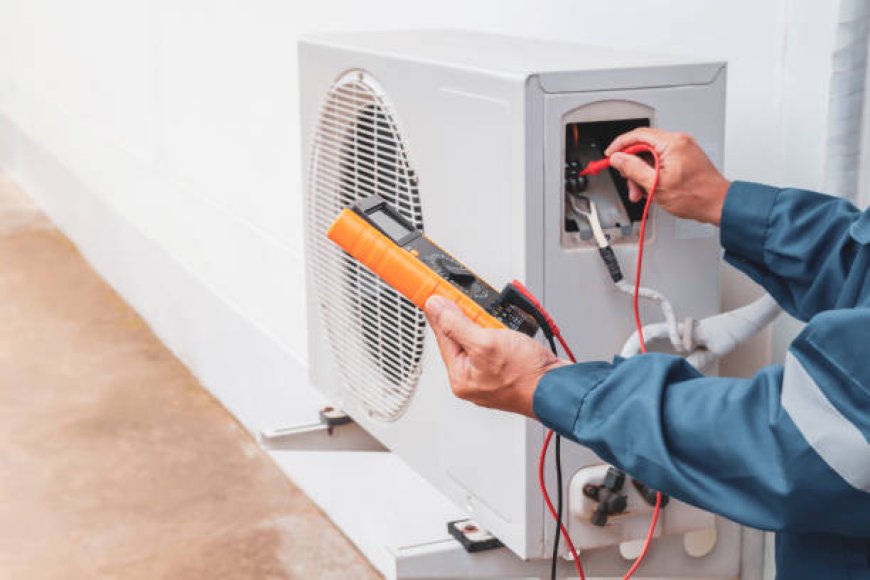
Kansas is known for its wide-open landscapes, but it is equally known for its unpredictable weather. Businesses in the state often face scorching summers, frigid winters, and sudden storms that push buildings and systems to their limits. For commercial properties, this creates one critical need: reliable heating, ventilation, and air conditioning (HVAC) systems.
Without dependable HVAC solutions, Kansas businesses risk more than uncomfortable workspaces. They face higher energy bills, reduced employee productivity, and even compliance issues. Modern HVAC systems are no longer optional they are essential tools for adapting to the states climate extremes and maintaining stable operations year-round.
How Kansas Weather Challenges Commercial HVAC Systems
The states climate variability puts heavy demand on HVAC systems. According to the Kansas State Climate Office, average July highs reach 9095F, while January lows regularly fall into the teens. These temperature swings, combined with humidity shifts, force HVAC units to work harder than systems in milder regions.
-
Summer Heat: Extended heatwaves can push air conditioning systems into overdrive, especially in commercial buildings with high occupancy. A system that is undersized or poorly maintained will struggle to keep indoor temperatures safe and comfortable.
-
Winter Freezes: During winter, heating demand spikes. Inefficient boilers or furnaces often lead to uneven heating, frozen pipes, or emergency breakdowns.
-
Severe Storms: Kansas also sits in Tornado Alley, where storms can cause power outages. Without proper HVAC resilience, this can disrupt not only comfort but also equipment operation and indoor air quality.
These conditions explain why HVAC breakdowns are among the top causes of unplanned facility downtime in Kansas businesses.
The Hidden Costs of Outdated HVAC Systems
Older HVAC systems are especially vulnerable to Kansass climate extremes. According to the U.S. Department of Energy, HVAC systems account for nearly 40% of energy use in commercial buildings. When equipment is outdated, inefficient, or improperly maintained, costs rise dramatically.
For example:
-
A 20-year-old HVAC system can consume 3040% more energy than a modern high-efficiency unit.
-
Unplanned HVAC failures can lead to productivity lossesstudies show employee productivity drops by up to 10% in uncomfortable indoor environments.
-
For customer-facing businesses like retail stores or restaurants, a poorly cooled or heated space can directly impact sales and repeat visits.
The financial risks go far beyond energy bills. In healthcare and food service, compliance with safety and health codes depends on maintaining consistent indoor air quality and temperature. A single HVAC failure can trigger inspections, fines, or reputational harm.
Benefits of Modern HVAC Solutions
Modern HVAC solutions are designed not only to handle extreme weather but also to deliver measurable results for businesses. Kansas organizations that invest in upgrades or proactive maintenance can expect:
-
Energy Efficiency Gains
High-efficiency HVAC systems can cut energy use by 2050% compared to older models. Variable-speed motors, smart thermostats, and zoning controls allow precise adjustments, saving money during both heatwaves and freezes.
-
Improved Indoor Air Quality
Kansass seasonal pollen and dust storms can harm indoor environments. Advanced filtration and ventilation systems remove allergens and pollutants, protecting both employees and visitors.
-
Reduced Downtime
With predictive maintenance tools and regular servicing, HVAC breakdowns are far less frequent. This prevents the costly downtime many businesses face when systems fail during peak weather.
-
Regulatory Compliance
From OSHA standards on workplace safety to industry-specific health regulations, modern HVAC systems help businesses maintain compliance consistently.
-
Employee and Customer Comfort
Comfortable spaces directly improve performance and satisfaction. Studies have shown that maintaining indoor temperatures in the optimal range (6874F) improves employee focus and reduces absenteeism.
Practical Steps for Kansas Businesses
For many business owners, the question is not whether HVAC solutions matter but how to manage them effectively. Here are some actionable steps:
1. Schedule Seasonal Inspections
Conduct professional HVAC checkups at least twice a yearbefore summer and before winter. These inspections ensure systems are prepared for Kansass most demanding weather periods.
2. Invest in Preventive Maintenance
Regular filter changes, coil cleaning, and airflow checks extend equipment lifespan and reduce unexpected failures. Preventive care is significantly less expensive than emergency service calls.
3. Upgrade to Energy-Efficient Systems
Consider replacing older units with ENERGY STARrated systems. Though the upfront investment is higher, the long-term energy savings quickly offset costs. Many Kansas utility providers also offer rebates for energy-efficient upgrades.
4. Use Smart Controls
Smart thermostats and building automation systems allow precise monitoring and adjustment of temperatures across different zones. This not only saves energy but also improves comfort in larger facilities.
5. Prepare for Severe Weather
Install surge protection and backup power options to keep HVAC systems functional during Kansas storms. For industries that depend heavily on climate control, such as healthcare or manufacturing, these protections are essential.
Case Outcomes: The Value of Modern HVAC
The benefits of modern HVAC solutions are not just theoretical they deliver measurable outcomes. Consider these examples:
-
A Wichita office building upgraded its HVAC system with variable refrigerant flow (VRF) technology. The result was a 25% reduction in annual energy costs and far fewer complaints about uneven heating and cooling.
-
A Kansas City hotel installed smart HVAC controls that adjust usage based on occupancy. This cut energy consumption by 35%, while also boosting guest satisfaction scores.
-
A Topeka restaurant implemented a preventive maintenance plan, avoiding three major breakdowns during peak summer seasons. The avoided downtime was valued at tens of thousands of dollars in preserved revenue.
These examples show how Kansas businesses can protect both operations and profitability by investing in the right HVAC solutions.
Building Long-Term Partnerships
Managing HVAC systems effectively requires expertise. Partnering with experienced Commercial HVAC solutions in Kansasproviders ensures businesses have access to advanced diagnostic tools, trained technicians, and emergency support when needed. The right provider helps businesses not just react to issues but plan ahead, tailoring solutions to both their facility and Kansass climate realities.
Conclusion
Kansas weather extremes are not going away. From sweltering summers to icy winters and sudden storms, businesses face continuous challenges in keeping their facilities safe and comfortable. Outdated HVAC systems only make these challenges more costly and disruptive.
Modern commercial HVAC solutions in Kansas gives businesses the tools they need to cut energy costs, reduce downtime, and create healthier, more productive environments. By investing in proactive upgrades and maintenance, companies ensure they are not just surviving the weather but thriving despite it, proof that preparation always pays off.