Why Integrating ERP and AP Systems Is Essential in 2025
Enterprise Resource Planning (ERP) systems with accounts payable management services has emerged as a strategic move to achieve these goals.
In todays fast-paced business environment,efficiency, accuracy, and cash flow visibilityare no longer just competitive advantages theyre necessities. For U.S. businesses, integratingEnterprise Resource Planning (ERP)systems withaccounts payable management serviceshas emerged as a strategic move to achieve these goals. But why is this integration so critical in 2025? And how can it transform your finance operations?Lets break it down.
The Growing Need for ERPAP Integration
By 2025, the accounts payable landscape has changed dramatically. Manual processes and siloed systems not only slow down payment cycles but also create costly errors. Modernaccounts payable management servicesare increasingly cloud-based, automated, and capable of syncing seamlessly with ERP platforms.
The result?
-
One source of truthfor financial data
-
Real-time visibilityinto payables and cash flow
-
Reduced processing timefrom days to minutes
If your AP process still requires switching between multiple systems, youre likely losing valuable productivityand money.
How ERPAP Integration Works
Think of your ERP system as the central nervous system of your business. It holds all your financial, operational, and transactional data. Your AP system is a vital organit keeps vendor payments and expense tracking running smoothly.
When these systems integrate, theyshare data instantly. That means:
-
Vendor invoices entered in AP automatically appear in ERP records
-
Purchase orders, receipts, and payment details are matched without manual input
-
Reporting tools pull from both systems for complete financial insights
Thisdata synchronizationeliminates duplicate entries, ensures accuracy, and speeds up approvals.
Key Benefits for Businesses in 2025
1.Real-Time Cash Flow Management
When AP and ERP systems work together, you gain a real-time view ofoutstanding payablesandupcoming liabilities. This allows you to forecast cash needs accurately and avoid last-minute funding issues.
2.Improved Accuracy and Compliance
Errors in invoice matching or data entry can lead to overpayments, duplicate payments, or compliance risks. Integrated systemsauto-match invoices with purchase ordersand flag discrepancies instantly.
3.Faster Approval Cycles
No more waiting for paper invoices to pass through multiple desks. Integration enablesautomated routing, so invoices can be reviewed and approved from anywhereperfect for hybrid and remote teams.
4.Better Vendor Relationships
Vendors appreciate on-time payments and clear communication. Integration ensures your AP team has instant access to payment statuses, reducing disputes and strengthening partnerships.
5.Lower Operational Costs
By reducing manual work, APERP integration cuts labor costs and minimizes errors that can lead to financial losses.
Why 2025 Is the Turning Point
There are three big reasons ERPAP integration is becoming essential now:
-
AI and Automation Maturity Modern AP software uses AI to capture invoice data, detect fraud, and suggest optimal payment schedules. ERP integration makes these insights more powerful.
-
Cloud-Based Scalability Cloud ERP and AP solutions allow businesses to scale quickly without expensive infrastructure changes.
-
Regulatory Pressures With stricter compliance standards for financial reporting and tax documentation, integrated systems ensure audit-ready accuracy.
Signs Your Business Needs ERPAP Integration
If youre wondering whether its time to connect your ERP and AP systems, ask yourself:
-
Are invoices taking too long to process?
-
Do we often have mismatched records between AP and ERP?
-
Is tracking payment status a manual, time-consuming task?
-
Do we lack real-time insight into cash flow?
If you answered yes to even two of these, integration could bring immediate value.
Steps to Successfully Integrate ERP and AP Systems
-
Evaluate Current Workflows
Map out how invoices are received, approved, and paid. Identify bottlenecks. -
Select the Right AP Solution
Chooseaccounts payable management servicesthat integrate smoothly with your ERPwhether thats NetSuite, SAP, QuickBooks, or Microsoft Dynamics. -
Ensure Data Compatibility
Standardize vendor, PO, and invoice formats to prevent integration errors. -
Implement in Phases
Start with high-volume, high-value transactions before expanding to all payables. -
Train Your Team
Ensure both AP and accounting teams understand new workflows and reporting tools. -
Monitor and Optimize
Use KPIs like invoice processing time, payment accuracy, and vendor satisfaction to measure success.
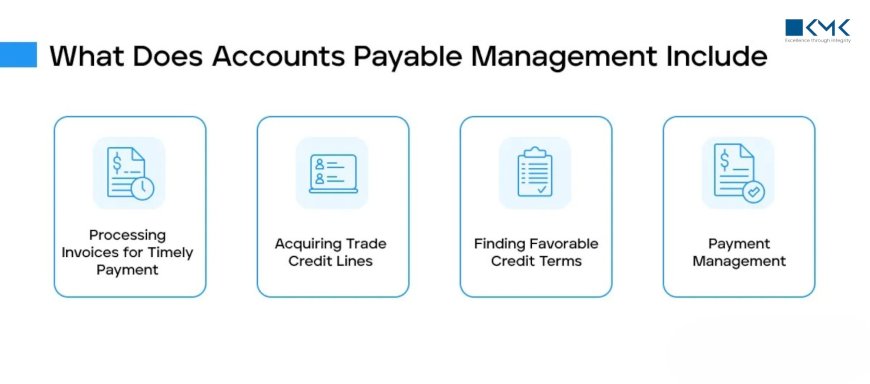
The Role of Accounts Payable Management Services
Specializedaccounts payable management servicesbring more than just softwarethey provide expertise, compliance guidance, and operational support. Many U.S. businesses now outsource AP functions entirely to service providers that:
-
Handle invoice capture and data entry
-
Manage payment scheduling and execution
-
Ensure regulatory compliance
-
Provide integration-ready platforms for ERP systems
This approach not only improves operational efficiency but also allows in-house teams to focus onstrategic financial planninginstead of transactional tasks.
Real-World Impact: A Case Example
A mid-sized manufacturing company in Texas was struggling with delayed supplier payments and poor visibility into liabilities. Their AP system was separate from their ERP, creating data silos.
After integrating the two via a cloud-based AP management service:
-
Invoice processing time dropped from 10 days to 2 days
-
Payment errors decreased by 85%
-
They gained real-time visibility into $1.5M of outstanding payables
-
Vendor satisfaction scores increased significantly
Final Thoughts
In 2025, integratingERP and accounts payable management servicesis no longer just a tech upgradeits abusiness survival strategy. The ability to manage payables with real-time accuracy, improve compliance, and strengthen vendor relationships can directly impact your bottom line.If your business is still running AP and ERP separately, now is the time to bridge that gap. The investment will pay for itself in efficiency, cost savings, and financial clarity.