Risks and Compliance Concerns of Offshore Accounting for U.S. Firms
offshore services for accounting firms, the promise of cost savings, scalability, and efficiency is undeniable. However, alongside these benefits come critical questions around risks, compliance, and data security.
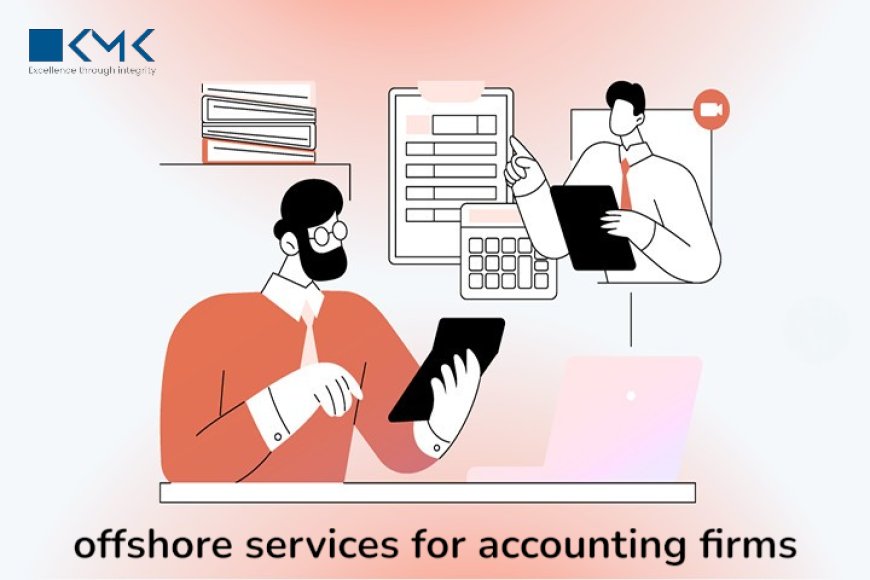
As U.S. accounting firms increasingly exploreoffshore services for accounting firms, the promise of cost savings, scalability, and efficiency is undeniable. However, alongside these benefits come critical questions aroundrisks, compliance, and data security. Offshoring accounting services can be a game-changer for firms seeking to stay competitive, but overlooking the potential pitfalls can lead to financial, operational, and reputational challenges.So, what risks should U.S. firms be mindful of, and how can they address compliance concerns effectively? Lets dive in.
Why Compliance Matters in Offshoring Accounting Services
Accounting is not just about numbersits about trust, transparency, and accuracy. When firms chooseoffshoring accounting services, they are also choosing to share sensitive financial information with overseas teams. This makes compliance with U.S. laws and international standards a top priority.
Failure to address compliance can result in:
-
Regulatory penalties
-
Loss of client confidence
-
Breaches of confidentiality agreements
-
Long-term reputational damage
Thats why understanding the risks upfront is essential for making informed decisions.
Key Risks of Offshore Accounting for U.S. Firms
While offshoring offers plenty of advantages, here are the main risks firms should consider:
1.Data Security and Privacy Issues
Financial records often include personally identifiable information (PII) and confidential business data. Sharing this across borders exposes firms to cybersecurity threats and unauthorized data access.
-
Risk: Breaches of client information
-
Impact: Legal liability and erosion of client trust
2.Regulatory and Legal Compliance Gaps
Every country has its own accounting standards, data protection laws, and labor regulations. Offshore teams may not always be well-versed in U.S. compliance frameworks like:
-
GAAP (Generally Accepted Accounting Principles)
-
SOX (Sarbanes-Oxley Act)
-
GDPR and U.S. data privacy regulations
Misalignment could result in inaccurate reporting or non-compliance fines.
3.Quality Control and Oversight Challenges
Distance can make it harder to monitor offshore work. Without robust review processes, firms risk inconsistencies in bookkeeping, tax preparation, and audit support.
4.Cultural and Communication Barriers
Time zone differences, cultural nuances, and communication styles may create misunderstandings. These can slow down workflows and cause errors if not managed carefully.
5.Dependency on Offshore Vendors
Placing too much reliance on offshore partners without contingency plans can expose firms to risks if the provider experiences disruptions, legal issues, or sudden staff turnover.
Compliance Concerns to Watch Closely
When U.S. firms consideroffshore services for accounting firms, they must ensure compliance across multiple dimensions.
1.Data Protection and Cybersecurity
Compliance with data privacy laws such as GDPR and U.S. state-specific regulations (e.g., CCPA in California) is essential. Firms should:
-
Use encrypted communication channels
-
Implement secure access protocols
-
Audit offshore vendors for cybersecurity readiness
2.Tax and Regulatory Compliance
Offshore teams should be trained in U.S. tax laws, payroll requirements, and GAAP standards to ensure accuracy. Non-compliance here can lead to hefty IRS penalties.
3.Confidentiality Agreements and Contracts
Well-drafted contracts should outline:
-
Data usage restrictions
-
Confidentiality clauses
-
Dispute resolution mechanisms
4.Audit and Review Standards
Firms must establish regular quality checks, independent reviews, and internal audits to ensure offshore work aligns with compliance expectations.
How U.S. Firms Can Mitigate Offshore Accounting Risks
Despite the challenges, offshoring remains a viable strategy if managed correctly. Heres how U.S. firms can balance the benefits with compliance needs:
-
Choose the Right Offshore Partner
-
Vet providers with proven experience inoffshoring accounting servicesfor U.S. clients.
-
Look for certifications like ISO 27001 (information security) or SOC 2 (data handling compliance).
-
-
Implement Strong Governance Policies
-
Establish clear Standard Operating Procedures (SOPs).
-
Maintain written compliance guidelines for offshore staff.
-
-
Invest in Technology and Security Tools
-
Use secure cloud-based accounting platforms.
-
Implement multi-factor authentication and role-based access controls.
-
-
Train Offshore Teams in U.S. Compliance Standards
-
Provide ongoing training in GAAP, SOX, and IRS requirements.
-
Encourage a compliance-first culture.
-
-
Maintain Transparent Communication
-
Use project management tools for real-time updates.
-
Schedule regular video check-ins to avoid miscommunication.
-
Balancing Risks with Rewards
Its important to note that risks dont negate the benefits. With the right safeguards, firms can enjoy:
-
Lower operational costs
-
Faster turnaround times
-
Access to global talent pools
-
Scalable operations during tax season
In fact, many CPA firms find that offshoring not only reduces costs but also strengthens their ability to deliver high-quality services by freeing up in-house staff for client-facing tasks.
Final Thoughts
The move towardoffshore services for accounting firmsis not slowing down. For U.S. CPA firms, the decision to embraceoffshoring accounting servicescan unlock growth, efficiency, and competitive advantage. But success depends on recognizing the risks and building a compliance-focused strategy from day one.By prioritizing data security, legal alignment, and transparent communication, U.S. firms can turn potential risks into opportunitiesensuring that offshoring becomes a sustainable part of their long-term strategy.