


























Which is More Beneficial, B12 or B Complex?

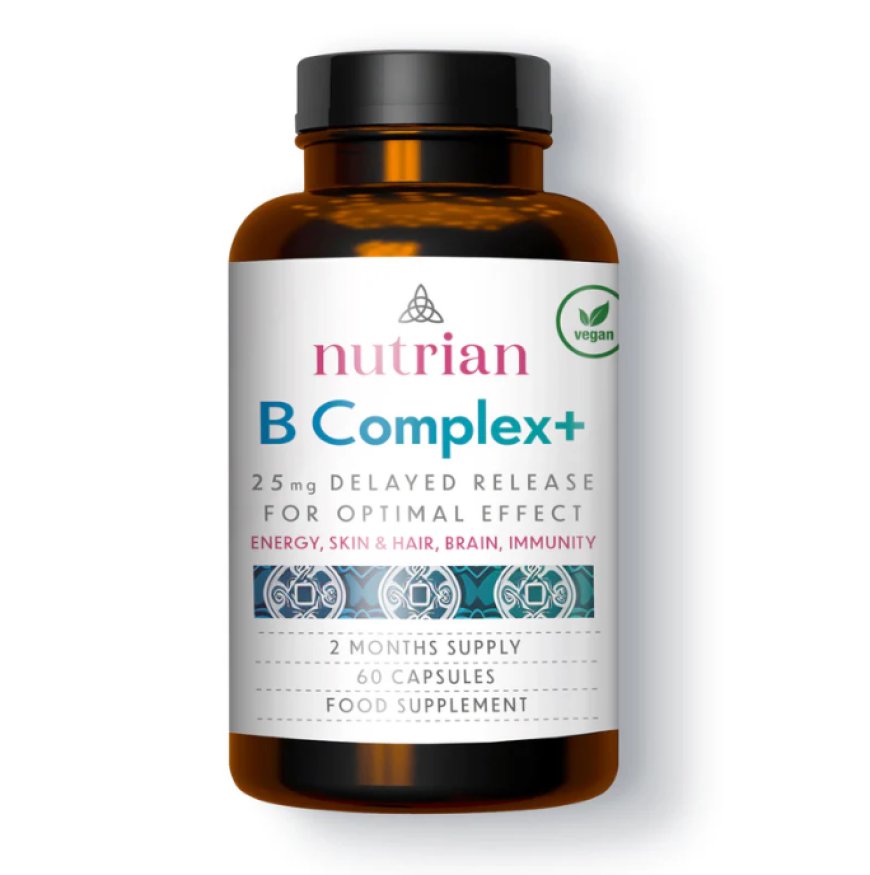
When it comes to vitamins, the B group is often at the center of discussions about energy, vitality, and overall wellness. Two common supplements people often compare are Vitamin B12 and B Complex. While both play crucial roles in maintaining health, many wonder which is more beneficial and whether they should take one over the other. To answer this question, it’s important to first understand how B vitamins function in the body, their specific benefits, and who might need them most.
Vitamin B12 is a single vitamin within the B family, but it is one of the most vital for red blood cell formation, neurological function, and DNA synthesis. On the other hand, B Complex refers to a group of all essential B vitamins combined, offering a broader spectrum of benefits. The decision of whether to take B12 alone or opt for B Complex supplements depends largely on an individual’s unique needs, dietary habits, and health conditions.
The Unique Importance of Vitamin B12
Vitamin B12, also known as cobalamin, is essential for a healthy nervous system and blood production. It plays a critical role in the creation of red blood cells, which carry oxygen throughout the body. Without adequate B12, individuals may suffer from anemia, fatigue, weakness, and even neurological problems such as numbness, tingling, or memory issues.
One of the unique aspects of B12 is that it is primarily found in animal-based foods such as meat, fish, eggs, and dairy. This makes B12 deficiency more common among vegetarians and vegans who may not get enough through diet alone. Supplementing with B12 can therefore be highly beneficial for people following plant-based diets.
Another group that often benefits from B12 supplementation includes older adults. As people age, their ability to absorb B12 from food decreases due to reduced stomach acid production. Low B12 levels in older adults have been linked to cognitive decline and mood disturbances. For such individuals, direct B12 supplementation can be especially effective in addressing deficiencies.
B12 also supports brain health by aiding in the production of neurotransmitters that regulate mood. Some research even suggests that adequate B12 levels may reduce the risk of depression, making it a key vitamin for mental well-being as well as physical health.
The Comprehensive Benefits of B Complex
While B12 is undeniably important, it is just one piece of the puzzle. The other B vitamins, when taken together as a B Complex, create a synergistic effect that supports multiple systems in the body. A high-quality B Complex typically includes B1 (thiamine), B2 (riboflavin), B3 (niacin), B5 (pantothenic acid), B6 (pyridoxine), B7 (biotin), B9 (folate), and B12. Each of these vitamins contributes something unique to your health.
For example, B1 and B2 are crucial for energy metabolism, helping the body convert carbohydrates into fuel. B3 supports cardiovascular health and helps regulate cholesterol levels. B6 plays an important role in neurotransmitter synthesis and immune function. Folate is essential during pregnancy for healthy fetal development, while biotin is widely recognized for its role in maintaining healthy skin, hair, and nails.
Taken together, B Complex supplements provide a more holistic approach to health because they address the wide-ranging functions of the entire B vitamin family. Since the B vitamins often work together, deficiencies in one can sometimes affect the efficiency of the others. This makes B Complex a smart choice for individuals who want to ensure they are covering all their nutritional bases.
Comparing B12 and B Complex: Which is More Beneficial?
The question of whether B12 or B Complex is more beneficial does not have a one-size-fits-all answer. The choice depends heavily on an individual’s lifestyle, health status, and nutritional gaps.
For someone with a diagnosed Vitamin B12 deficiency, supplementing directly with B12 may be the most effective way to restore optimal levels. This is particularly true for vegans, vegetarians, and older adults who struggle to absorb enough B12 from food sources. In these cases, B12 supplementation targets the deficiency directly and helps reverse related symptoms.
However, if you are looking to support overall wellness, energy, and metabolic function, B Complex may be the better option. Since the different B vitamins complement each other’s roles, supplementing with the full range ensures your body has what it needs for everything from nervous system support to cardiovascular health. People who lead busy, stressful lives may also benefit from B Complex, as stress depletes B vitamins faster than usual, leading to fatigue, mood swings, and lowered immunity.
Another factor to consider is diet. If your daily meals are varied and rich in multiple nutrients but you struggle with getting enough B12, then a targeted B12 supplement could suffice. But if your diet is inconsistent or lacking in a range of nutrients, then B Complex supplements would provide more comprehensive support.
Signs You May Need More B Vitamins
Understanding the symptoms of low B vitamin levels can help guide your decision. Common signs of B12 deficiency include extreme fatigue, pale skin, tingling sensations in the hands and feet, memory problems, and mood changes. Severe cases may even lead to irreversible neurological damage if left untreated.
Signs of deficiencies in other B vitamins may include cracked lips, skin rashes, poor concentration, hair thinning, digestive issues, or increased irritability. Since many of these symptoms overlap, it is sometimes difficult to identify which B vitamin is lacking without a blood test. This is why taking a full B Complex supplement can be a smart preventive measure.
Who Should Consider B Complex Over B12?
B Complex is often the better choice for individuals who experience chronic stress, fatigue, or a lack of balanced nutrition. Students, busy professionals, and those with physically demanding jobs may benefit from the full spectrum of B vitamins to maintain their energy and mental clarity. Women who are pregnant or planning pregnancy also benefit from B Complex because it includes folate, which is critical for fetal development.
People with certain medical conditions, such as digestive disorders or alcoholism, may also need the broader coverage provided by B Complex since these conditions can lead to multiple B vitamin deficiencies. In contrast, a single B12 supplement would not address these wider nutritional needs.
Long-Term Benefits of B Complex
Taking B Complex supplements regularly can provide long-term benefits beyond simply preventing deficiencies. They help maintain healthy metabolism, support mental focus, reduce the risk of heart disease, and promote healthy aging. Biotin and folate play a role in maintaining healthy skin and hair, while B6 supports hormonal balance, particularly in women.
Moreover, B Complex supports the body’s stress response by helping regulate cortisol levels. Since stress is one of the leading contributors to chronic health problems, ensuring adequate intake of these vitamins can be a proactive step toward long-term wellness.
Final Thoughts:
The choice between B12 and B Complex is not about which one is universally better but which one suits your personal needs. If you are dealing with a specific deficiency, especially B12, then supplementation with B12 alone can be extremely effective. However, if your goal is to support overall health, energy, and stress management, then B Complex supplements are often the more beneficial option.
B vitamins work best together, and deficiencies are often interrelated. Therefore, for many people, B Complex is the smarter long-term choice. It provides comprehensive support, reduces the risk of multiple deficiencies, and enhances the body’s ability to cope with modern-day stressors. On the other hand, B12 supplementation remains vital for those at risk of deficiency due to diet or age.
Ultimately, the most effective approach is to evaluate your lifestyle, diet, and any symptoms you may be experiencing. Consulting with a healthcare professional can also help determine whether you should opt for B12, B Complex, or a combination of both. By making an informed choice, you ensure that your body receives the right support to maintain energy, mental clarity, and overall well-being.


