


























What's New With HDPE Sheet Innovations in Industrial Applications
HDPE sheet innovations offer better UV resistance, heat tolerance, and sustainability—ideal for demanding industrial applications across sectors.

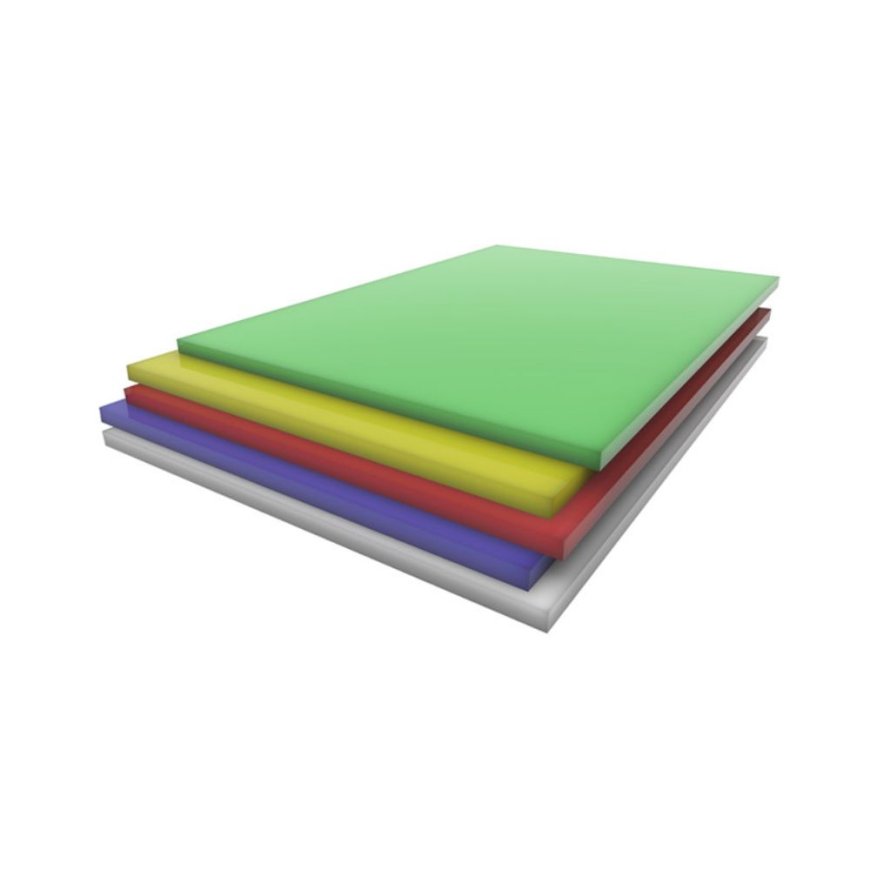
High-Density Polyethylene (HDPE) is transforming to meet today's industrial demands with smarter, stronger, and more sustainable solutions.
HDPE sheets have long been playing a critical role in industrial manufacturing. This is due to their toughness, moisture resistance, and chemical durability. Now, advancements in processing methods and formulation technologies are making HDPE more adaptable than ever across a variety of applications.
Why HDPE Remains a Reliable Industrial Material
There are many reasons why HDPE sheets still stand out as a preferable choice. Some of these apparent reasons include:
-
High strength-to-density ratio
-
Excellent resistance to impact, corrosion, and abrasion
-
Lightweight properties for ease of handling
-
Cost-efficiency in bulk manufacturing
-
Food-grade and chemical-resistant options
Recent innovations focus on enhancing these core strengths while addressing industry-specific needs such as sustainability, thermal performance, and custom fabrication.
Innovation #1: Enhanced UV-Stabilized HDPE Sheets
Traditionally, prolonged sun exposure could degrade HDPE over time. New UV-stabilized HDPE sheets come with improved weatherability, making them ideal for:
-
Agricultural containers and silos
-
Outdoor signage and marine applications
-
Water treatment systems and chemical storage
These formulations help maintain structural integrity and appearance over extended outdoor use, reducing maintenance cycles.
Innovation #2: High-Temperature HDPE Grades
Conventional high-density polyethylene begins to soften at elevated temperatures, limiting its use in high-heat environments. Updated formulations now offer improved thermal tolerance for processes that require:
-
Heat-formed parts or enclosures
-
High-friction moving components
-
Temperature-controlled chemical tanks
These sheets allow for safer operation and extended service life in industries such as mining, chemical processing, and food production.
Innovation #3: Recycled HDPE Blends
As environmental regulations tighten, manufacturers are turning to recycled HDPE sheet options. These sheets:
-
Combine post-industrial and post-consumer resins
-
Offer comparable mechanical properties to virgin HDPE
-
Reduce overall carbon footprint
Applications include pallets, utility panels, and non-load-bearing structures. Many businesses now prioritize recycled content to align with corporate sustainability goals.
Innovation #4: HDPE Sheets with Improved Bonding Surfaces
One historical limitation of HDPE is its resistance to adhesives and inks due to its low surface energy. New HDPE sheet variants feature:
-
Corona-treated surfaces for improved printability
-
Roughened textures for easier bonding
-
Enhanced weld-line strength for permanent joints
These innovations open up opportunities in signage, point-of-purchase displays, and custom assemblies requiring layered components.
Innovation #5: Anti-Static and Conductive HDPE Sheets
In sectors where electrostatic discharge (ESD) poses a risk, HDPE is now available in anti-static and conductive forms. These specialty sheets work well for:
-
Packaging of circuit boards and semiconductors
-
Work surfaces in cleanrooms
-
Components in automation equipment
By reducing static buildup, these sheets help protect sensitive electronics and ensure worker safety.
HDPE Sheets Offer Practical Gains for Industrial Users
HDPE sheet innovations are helping industries meet performance, sustainability, and fabrication goals more efficiently than ever. Whether it's through UV stabilization, thermal resistance, recycled content, or bonding capabilities, the material continues to evolve to support complex industrial applications.
Businesses seeking durable, high-density polyethylene sheet solutions can contact Johnston Industrial Plastics Ltd. to learn more.


