


























What Is a Fibroid Specialist and When Should You See One?

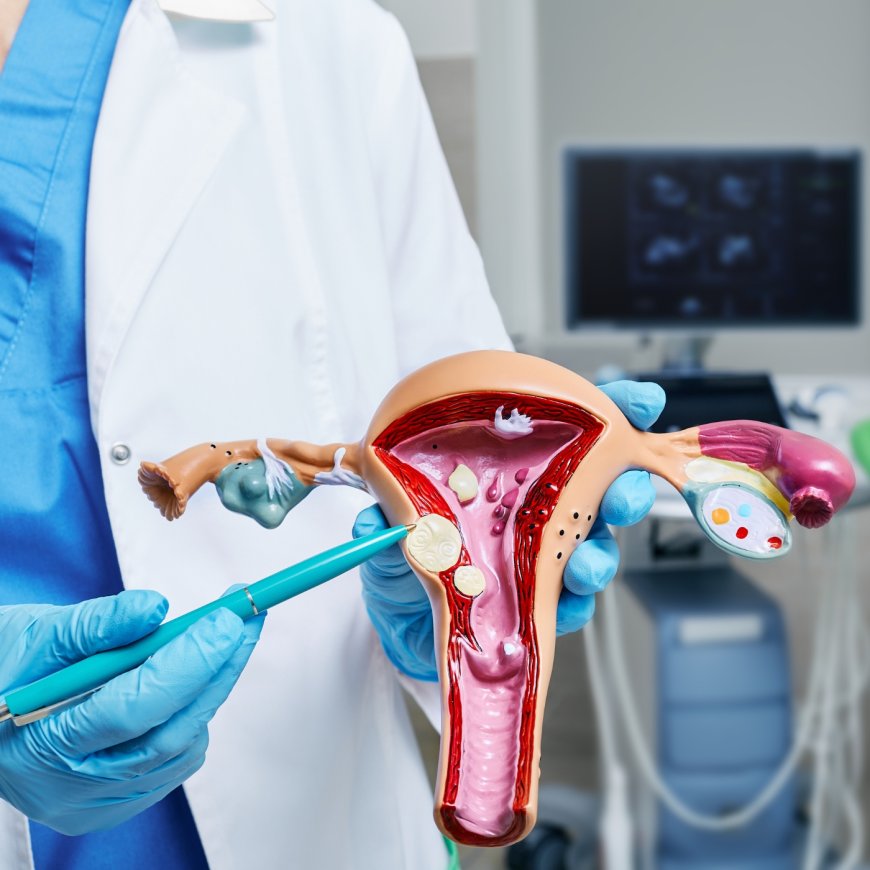
Uterine fibroids are noncancerous growths that develop in or around the uterus and affect millions of women, especially during their reproductive years. While some fibroids are small and cause no noticeable symptoms, others can lead to pain, heavy bleeding, and fertility issues. Navigating the complexities of fibroid diagnosis and treatment requires specialized care. This is where a top fibroid specialist plays a crucial role. But what exactly is a fibroid specialist, and when should you see one? This article provides a comprehensive overview to help you make informed decisions about your reproductive health.
Who Is a Fibroid Specialist?
A fibroid specialist is a medical professional with advanced training and expertise in diagnosing and treating uterine fibroids. These experts can come from various medical backgrounds, including:
-
Gynecologists: Often the first point of contact for women with symptoms, they provide initial diagnosis and treatment options like hormonal therapy or surgery.
-
Interventional Radiologists: These specialists perform minimally invasive procedures like Uterine Fibroid Embolization (UFE), offering effective, uterus-sparing treatment.
-
Reproductive Endocrinologists: Experts in fertility and hormonal issues, they are particularly valuable when fibroids impact conception or pregnancy.
-
Surgeons: In complex cases requiring surgical removal (myomectomy or hysterectomy), a skilled surgeon ensures safe outcomes.
A top fibroid specialist not only has medical qualifications but also extensive experience and a patient-focused approach to managing fibroid-related issues.
What Makes a Specialist the "Top" in Their Field?
Not all specialists offer the same level of expertise. A top fibroid specialist is distinguished by:
-
Years of experience specifically focused on treating fibroids.
-
Advanced diagnostic tools, including high-resolution ultrasound, MRI, and hysteroscopy.
-
Minimally invasive treatment options, such as laparoscopic surgery or UFE.
-
Collaborative care, working with gynecologists, fertility experts, and radiologists.
-
Patient-centered approach, customizing treatment to the individual's needs, symptoms, and reproductive goals.
-
Positive patient outcomes and testimonials from successful cases.
Choosing a top fibroid specialist increases your chances of receiving accurate diagnosis, effective treatment, and fewer complications.
Symptoms That Signal Its Time to See a Specialist
Fibroids can be silent, but when symptoms appear, they can significantly disrupt your daily life. You should consider seeing a top fibroid specialist if you experience:
-
Heavy or prolonged menstrual bleeding that soaks through sanitary products quickly or causes anemia.
-
Pelvic pain or pressure, often described as a dull ache or a feeling of fullness.
-
Frequent urination or difficulty emptying the bladder.
-
Pain during intercourse or chronic lower back pain.
-
Bloating or visible abdominal swelling.
-
Difficulty getting pregnant or carrying a pregnancy to term.
If any of these symptoms are persistent or worsening, its essential to consult a specialist rather than relying solely on general care.
The Diagnostic Process
A top fibroid specialist will begin with a comprehensive consultation, including medical history, symptom review, and physical examination. Diagnostic tests may include:
-
Transvaginal Ultrasound: The most common imaging tool to detect fibroids.
-
MRI Scans: To determine the size, location, and number of fibroids.
-
Hysterosonography: Uses saline and ultrasound to evaluate the uterine cavity.
-
Hysteroscopy: A small camera is inserted into the uterus for a closer look.
Accurate diagnosis is essential to determine the best treatment path, whether medical, surgical, or interventional.
Treatment Options Offered by a Top Fibroid Specialist
Once fibroids are diagnosed, your top fibroid specialist will guide you through the most appropriate treatment based on the severity of your symptoms, age, desire for future pregnancies, and general health. Options include:
1. Medication Management
-
Hormonal treatments to regulate menstruation and shrink fibroids.
-
Anti-inflammatory drugs for pain management.
-
Iron supplements for anemia due to heavy bleeding.
2. Minimally Invasive Procedures
-
Uterine Fibroid Embolization (UFE): An interventional radiology technique that blocks blood supply to fibroids, causing them to shrink.
-
MRI-Guided Focused Ultrasound Surgery (FUS): A non-invasive method that uses sound waves to destroy fibroid tissue.
3. Surgical Options
-
Myomectomy: Removal of fibroids while preserving the uterus.
-
Hysterectomy: Complete removal of the uterus; often a last-resort option when other treatments fail.
A top fibroid specialist is skilled in tailoring these treatments to minimize risks and maximize recovery.
When Should You See a Fibroid Specialist?
Timing is critical. You should schedule a visit with a top fibroid specialist if:
-
Your symptoms interfere with daily activities or quality of life.
-
You're trying to conceive and suspect fibroids may be affecting fertility.
-
Youve tried initial treatments with little or no improvement.
-
Youve been diagnosed with fibroids but want to explore non-surgical or fertility-sparing options.
-
Youre considering major surgery like a hysterectomy and want a second opinion.
The earlier you consult a specialist, the broader your treatment options and better your health outcomes.
Benefits of Early Intervention with a Specialist
Consulting a top fibroid specialist early in your journey offers numerous advantages:
-
Accurate diagnosis, preventing unnecessary treatments or delays.
-
Customized treatment plans, aligning with your personal and reproductive goals.
-
Access to advanced therapies and minimally invasive options.
-
Better symptom control, leading to an improved quality of life.
-
Reduced complications, especially if fibroids are left untreated and grow larger.
Dont wait for symptoms to become unbearableearly consultation leads to better outcomes.
How to Find a Top Fibroid Specialist Near You
When searching for a top fibroid specialist, consider the following:
-
Board certifications and sub-specialties.
-
Hospital affiliations and clinic ratings.
-
Patient reviews and success stories.
-
Availability of advanced treatments, including UFE or robotic-assisted surgery.
-
Willingness to offer second opinions and explain options thoroughly.
Websites of major medical centers, gynecologic societies, and patient advocacy groups are good places to start your search.
Final Thoughts
Fibroids can be complex and life-altering, but with the right care, they are highly manageable. A top fibroid specialist brings experience, precision, and personalized care to ensure the best possible outcome. Whether you're newly diagnosed, seeking alternative treatments, or dealing with ongoing symptoms, dont delay seeking expert help.
When in doubt, trust your body and advocate for your health. Partnering with a top fibroid specialist could be the most important step toward reclaiming your comfort, confidence, and reproductive freedom.


