What Happens to Your Body When You Start Taking Multivitamins?

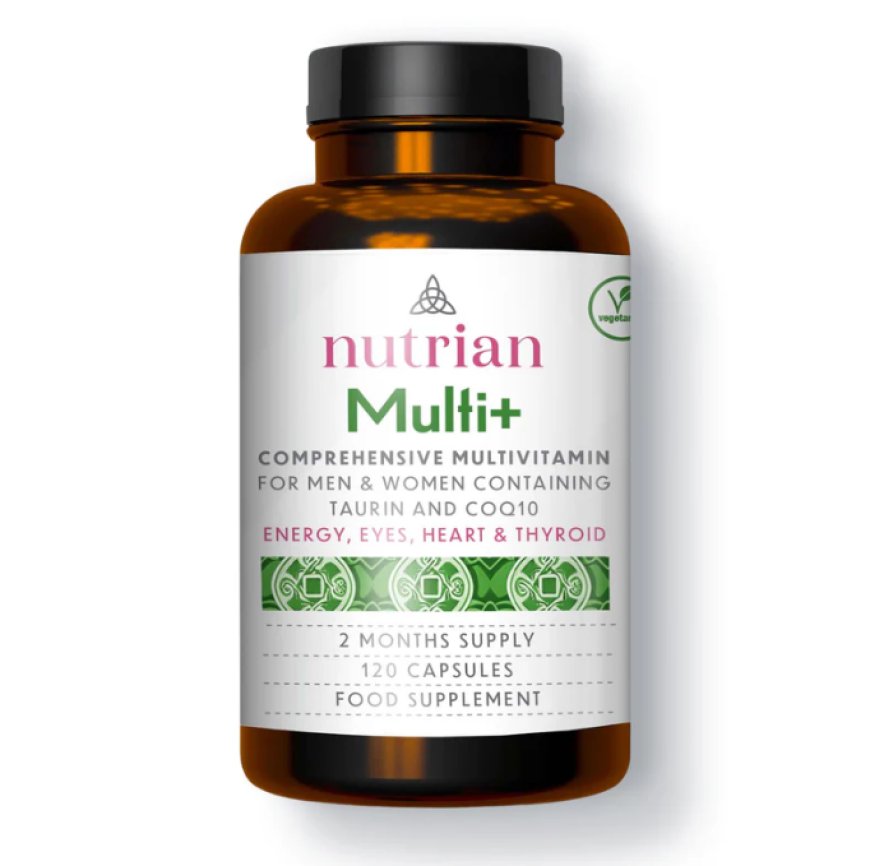
Many people strive to eat balanced meals and lead healthy lifestyles, but in today’s fast-paced world, getting every essential nutrient from diet alone can be challenging. This is where multivitamins come into play. Designed to bridge nutritional gaps, multivitamins combine a variety of essential vitamins and minerals into a single daily dose. But what actually happens to your body when you start taking them regularly? Understanding the effects of Multivitamin supplements can help you make an informed decision about whether they are right for you.
The Initial Boost in Nutrient Levels
The first and most immediate effect of starting multivitamins is the replenishment of nutrient stores. Your body uses vitamins and minerals for countless processes, from converting food into energy to repairing tissues and supporting immune function. If your diet is lacking in specific nutrients—such as Vitamin D, iron, or B vitamins—your body may experience subtle or even significant deficiencies.
Once you begin taking Multivitamin supplements, your system gradually restores these levels. This can lead to noticeable improvements in how you feel. For example, individuals low in B vitamins may find that their energy levels rise after a few weeks of consistent supplementation. Those deficient in Vitamin D may notice improvements in mood and bone strength over time.
Enhanced Energy and Reduced Fatigue
One of the most common benefits people report after starting multivitamins is increased energy. Vitamins such as B12, riboflavin, and niacin are directly involved in the body’s energy metabolism, helping to convert carbohydrates, fats, and proteins into usable fuel. When you are deficient in these nutrients, fatigue often sets in because your cells cannot generate energy efficiently.
By restoring these nutrients through Multivitamin supplements, your body regains its ability to function optimally. As a result, you may feel more alert, less sluggish, and better equipped to handle daily demands. This effect does not happen overnight but becomes noticeable with consistent intake over several weeks.
Strengthened Immune System
Another significant change that occurs when you start taking multivitamins is improved immune support. The immune system relies on a wide array of vitamins and minerals, including Vitamin C, Vitamin D, zinc, and selenium. These nutrients help white blood cells function effectively, protect against oxidative stress, and regulate inflammation.
For individuals who are frequently prone to colds or infections, supplementing with a comprehensive formula can help strengthen the immune response. While multivitamins are not a guarantee against illness, they provide your body with the tools it needs to defend itself more effectively. Over time, this can translate into fewer sick days and faster recovery when illness does occur.
Improved Skin, Hair, and Nail Health
A noticeable external change that many people experience with multivitamin use is healthier skin, hair, and nails. Nutrients such as biotin, Vitamin E, zinc, and Vitamin A play important roles in cell regeneration and tissue repair. When your body receives adequate amounts of these nutrients, it supports stronger nails, shinier hair, and clearer skin.
This is one of the most motivating benefits for individuals who begin using Multivitamin supplements, as the visible improvements serve as a reminder of the positive effects happening inside the body as well.
Support for Mental Clarity and Mood
Vitamins and minerals are deeply involved in brain health and neurotransmitter production. B vitamins, for instance, support the synthesis of serotonin and dopamine, two chemicals responsible for regulating mood. Magnesium plays a role in relaxation and reducing stress, while Vitamin D is closely linked to emotional well-being.
When deficiencies are present, people may experience irritability, anxiety, brain fog, or even depressive symptoms. Taking a daily multivitamin helps ensure your brain receives consistent nourishment, which can improve mental clarity and stabilize mood over time. Some individuals notice a reduction in stress levels, while others experience sharper focus and memory improvements.
Long-Term Support for Heart and Bone Health
The benefits of multivitamins extend beyond short-term energy and mood improvements. Over time, consistent use can contribute to stronger bones and a healthier cardiovascular system. Vitamins D and K, along with calcium and magnesium, are essential for bone density and strength. This is especially important for older adults who are at greater risk of osteoporosis.
In terms of heart health, nutrients like folic acid, B6, and B12 help regulate homocysteine levels, a compound linked to cardiovascular risk when elevated. Antioxidant vitamins such as C and E also help protect blood vessels from oxidative damage, supporting long-term cardiovascular wellness. By consistently providing these nutrients, Multivitamin supplements can play a supportive role in reducing chronic disease risk.
Adjustment Period and What to Expect
When you first begin taking multivitamins, it’s possible to experience a short adjustment period. Some people may notice mild digestive changes such as nausea or stomach discomfort, especially if the supplement is taken on an empty stomach. To minimize this, it’s best to take multivitamins with food and plenty of water.
Over time, your body adapts, and these side effects typically disappear. What remains is the steady benefit of improved nutrient availability, better energy, and enhanced overall well-being. It’s also important to be patient—while some benefits like energy improvements may appear relatively quickly, others, such as stronger bones or better immunity, take weeks or months to fully manifest.
The Preventive Power of Multivitamins
One of the most overlooked advantages of multivitamins is their preventive value. While you may not notice immediate dramatic changes, taking Multivitamin supplements regularly helps prevent deficiencies before they cause health problems. This means you are proactively supporting your long-term health rather than waiting for symptoms to arise.
For example, women planning pregnancy benefit from folate in multivitamins to reduce the risk of birth defects. Older adults benefit from added Vitamin D and B12 to maintain cognitive and bone health. In each case, the preventive use of multivitamins can make a meaningful difference in quality of life over time.
Final Thoughts:
Starting multivitamins is not about creating a quick fix but about supporting your body with consistent nourishment. From boosting energy and immunity to enhancing mental clarity and long-term wellness, the effects are both immediate and cumulative. While they are not a replacement for a healthy diet, Multivitamin supplements serve as a reliable foundation to ensure your body receives what it needs daily.
The real change happens when you combine multivitamins with balanced eating, exercise, and adequate rest. Together, these lifestyle choices work to create a healthier, more resilient body capable of thriving in the face of everyday challenges. Taking a multivitamin is a small habit, but one that can yield big rewards for your overall well-being.