Vaginal Dryness After Menopause: How to Deal With It
Introduction
Vaginal dryness after menopause is one of the most common challenges women face during this stage of life. It’s often caused by lower estrogen levels, which reduce natural lubrication in the vaginal tissues. This can lead to discomfort, irritation, painful intimacy, and even impact your quality of life.
The good news? You’re not alone, and there are effective solutions. From lifestyle adjustments and natural home remedies to using specialized products like an Intimate Hydrator from Glow by Hormone University, there are practical ways to manage and significantly improve vaginal comfort.
This article breaks down why vaginal dryness happens, how to manage it, and the best treatment options—all explained in simple, clear language that helps you take proactive steps toward better health and comfort.
What Causes Vaginal Dryness After Menopause?
Vaginal dryness mainly occurs due to hormonal changes. As estrogen levels decline:
-
Vaginal tissue becomes thinner and less elastic
-
Natural lubrication decreases
-
Blood flow to the vaginal area is reduced
Other contributing factors include:
-
Stress and poor sleep
-
Certain medications (like allergy drugs or antidepressants)
-
Smoking and alcohol consumption
-
Lack of sexual activity (reduces natural circulation and elasticity)
Symptoms of Vaginal Dryness
You may notice one or more of these symptoms:
-
Burning, itching, or discomfort in the vaginal area
-
Pain during intimacy (dyspareunia)
-
Minor bleeding after sex due to tissue irritation
-
Increased urinary infections
-
General discomfort or tightness
If left unmanaged, these symptoms can affect emotional health, relationships, and self-confidence.
Effective Ways to Deal With Vaginal Dryness
1. Use a Quality Intimate Hydrator
One of the quickest ways to relieve discomfort is by using an Intimate Hydrator, which is specifically designed to restore vaginal moisture and comfort. Look for hormone-friendly products that offer long-lasting hydration without harsh chemicals. Brands like Glow by Hormone University provide safe, clean formulations ideal for sensitive skin.
2. Moisturizers and Lubricants
-
Vaginal moisturizers offer sustained hydration, helping with daily comfort.
-
Water- or silicone-based lubricants can ease discomfort during intimacy.
3. Maintain Regular Intimacy
Sexual activity increases blood flow to the vaginal area and helps maintain elasticity.
4. Diet and Hydration
Eating foods rich in phytoestrogens (like flaxseeds, soy, and chickpeas) supports hormone balance. Staying well hydrated also improves tissue elasticity.
5. Lifestyle Adjustments
-
Quit smoking—it accelerates vaginal aging
-
Reduce alcohol intake
-
Manage stress through yoga, mindfulness, or meditation
6. Medical Options
In severe cases, doctors may prescribe:
-
Low-dose vaginal estrogen creams
-
Hormone replacement therapy (HRT)
-
Other prescription products for genitourinary syndrome of menopause (GSM)
Natural and At-Home Remedies
-
Coconut oil: Natural moisturizer, but not safe with latex condoms
-
Aloe vera gel: Hydrates tissue, ensure product is pure and safe for intimate use
-
Vitamin E suppositories: May improve elasticity and reduce dryness
-
Warm baths: With non-irritating natural oils to soothe discomfort
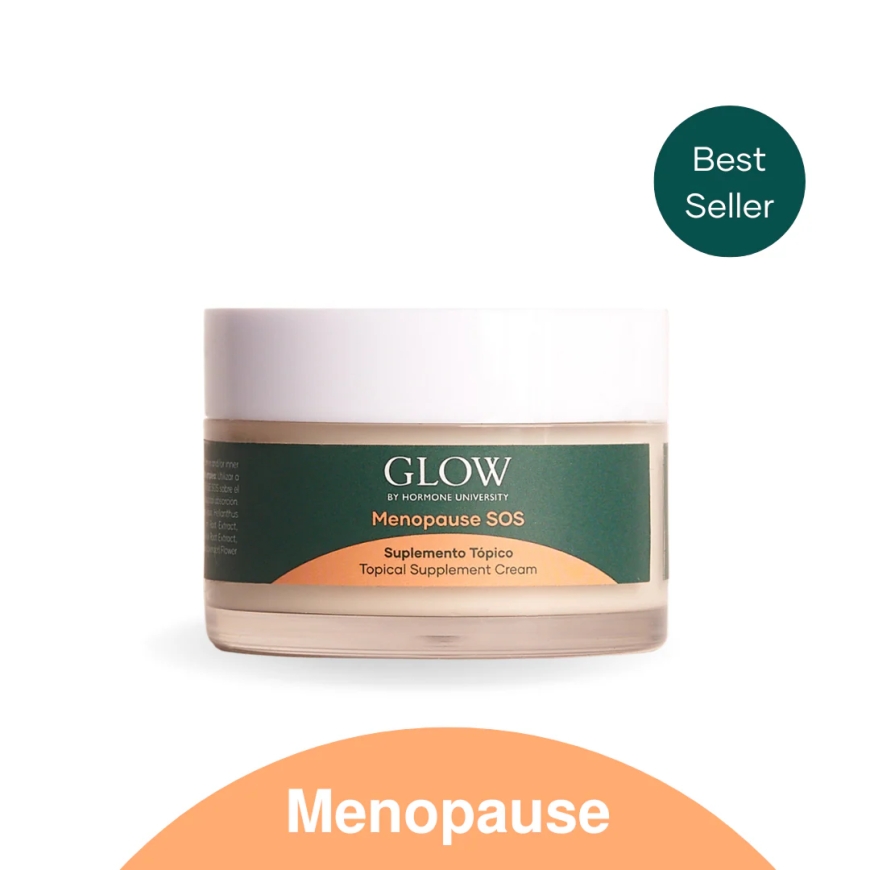
These remedies can be part of a menopause SOS routine when symptoms flare up.
Emotional and Relationship Considerations
Vaginal dryness may affect intimacy, but open communication is essential. Many women delay seeking help out of embarrassment. Remember, vaginal dryness is extremely common after menopause and nothing to be ashamed of. Supportive partners, professional guidance, and proper solutions make a huge difference.
When to See a Doctor
Seek medical advice if you experience:
-
Severe pain or bleeding during sex
-
Persistent burning or irritation
-
Repeated urinary tract infections
Your healthcare provider can help determine the right treatment—whether natural, topical, or hormonal—for your needs.
Conclusion
Dealing with vaginal dryness after menopause is about understanding your body, making simple lifestyle shifts, and using the right supportive products. Natural remedies, diet, regular intimacy, and the right skincare can help alleviate discomfort. For an extra boost, an Intimate Hydrator from Glow by Hormone University is a safe and effective solution for lasting relief.
Menopause is a new chapter—but it doesn’t have to mean discomfort. With consistent self-care and smart product choices, you can reclaim comfort and intimacy confidently.
FAQs
1. What is the best treatment for vaginal dryness after menopause?
The most effective treatment combines lifestyle changes, regular intimacy, and using a high-quality Intimate Hydrator. In severe cases, a doctor may recommend vaginal estrogen therapy.
2. Can diet improve vaginal dryness?
Yes. Foods rich in omega-3s, antioxidants, and phytoestrogens (like soy and flaxseeds) support tissue health and reduce dryness. Staying hydrated is equally important.
3. Is vaginal dryness permanent after menopause?
For many women, it persists unless properly managed. However, treatments and products like moisturizers and intimate hydrators can relieve symptoms effectively.
4. Does sex help reduce vaginal dryness?
Yes. Regular intimacy improves blood circulation and tissue elasticity, lowering dryness and discomfort.
5. Are there natural remedies for vaginal dryness?
Yes, options like aloe vera, vitamin E, and coconut oil can help. However, they should be used carefully, and for daily comfort, a clean Intimate Hydrator is more reliable.
6. What’s the most effective long-term solution for vaginal dryness?
Combining holistic lifestyle changes, hydration, and hormone-friendly products like Glow by Hormone University’s Intimate Hydrator is the best long-term approach.