


























The Science Behind Lifting And Leveling Concrete For Lasting Stability

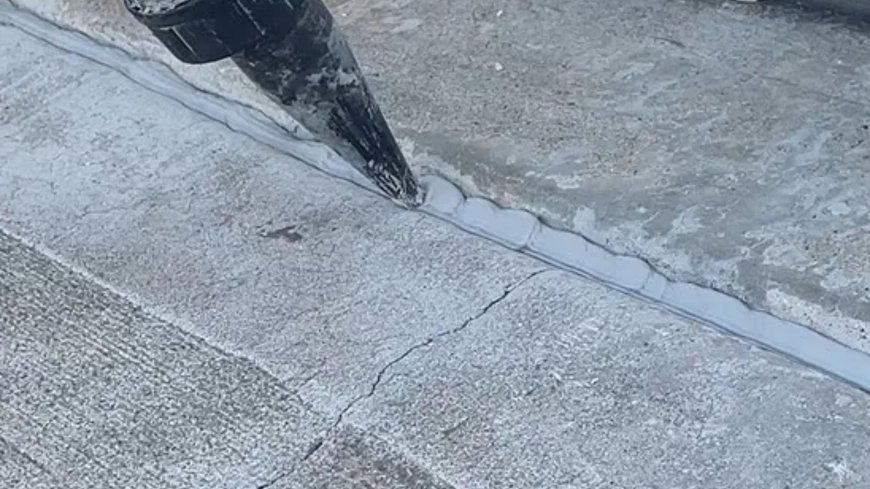
Concrete is one of the most trusted building materials in the country. It holds up driveways, sidewalks, patios, and garage floors. It is meant to last for decades. Still, even the best concrete can start to sink or tilt over time. The surface might look fine for years before subtle changes appear. Then one day you notice a small dip near the edge. Or a corner of the slab has dropped just enough to trip over.
These problems are not just cosmetic. Concrete rests on soil, and soil is always changing. Water washes through it. Freeze-thaw cycles push it up and pull it down. Heavy loads press it deeper into the ground. Once the base shifts, the slab above follows. This movement is the starting point for cracks, uneven joints, and pooling water.
People often search for Concrete Lifting in Kansas City when they notice their concrete shifting. The goal is not only to bring the slab back to its original height. The real science lies in making sure the repair lasts. That takes more than just adding material under the surface. It requires an approach that matches the soil, the load, and the conditions in the area.
The Role of Soil in Concrete Movement
Soil is the foundation for every slab. Its makeup determines how well it can hold weight. Clay-rich soil can expand when wet and shrink when dry. Sandy soil drains fast but may wash away with enough water flow. Loamy soil offers more balance, yet it can still settle under pressure.
Moisture is one of the biggest factors in soil movement. Rain, snowmelt, and even irrigation can change the soil structure within weeks. Once the soil compresses or erodes, gaps form under the slab. These voids leave parts of the concrete unsupported. When cars or heavy furniture roll over the slab, the unsupported section drops.
Temperature also plays a part. In colder climates, water trapped in the soil freezes. The frozen water expands, pushing the slab up. When it thaws, the soil sinks again. This repeated action loosens the soil and makes settlement worse.
How Lifting Works Below the Surface
The process of lifting concrete starts with finding the cause of the movement. Professionals inspect the slab and the soil beneath. They look for voids, soft spots, and patterns of water flow. The repair method must fill these gaps and stabilize the soil at the same time.
In modern repairs, small holes are drilled into the slab. Through these openings, a lifting material is injected into the space below. The material expands and raises the slab to the desired height. The lift is done in small, controlled stages to avoid cracking. Once the surface is level, the material hardens, creating a firm base.
The science here is not just about lifting. It is about matching the pressure of the injected material to the load above. Too much pressure can crack the slab. Too little can leave it uneven or unstable. Skilled technicians measure and adjust during the lift to get precise results.
Why Polyurethane Foam Stands Out
Polyurethane foam changes the game. It is lightweight yet strong. It expands to fill every gap, no matter how small. As it expands, it lifts the slab evenly. Once cured, it resists water and will not break down under normal use.
Foam’s water resistance is important. Since it blocks water from moving through the soil, it helps prevent future erosion. Its light weight means it will not cause extra pressure on weak soil. This balance of strength and lightness makes it one of the most durable options for concrete lifting.
How Precision Protects Your Investment
A concrete surface is more than just a part of the property. It supports vehicles, guides water flow, and connects different spaces. A precise lift protects these functions. It also avoids the need for costly replacements.
With a proper lift, the slab regains its even surface. Water flows away instead of pooling. The joints between slabs line up, removing tripping hazards. Vehicles can roll over the surface without hitting a raised edge. Over time, the reduced stress on the slab helps prevent new cracks.
This precision also helps maintain curb appeal. Uneven concrete can make even a well-kept home look neglected. A level driveway or walkway gives a clean, maintained look without the cost of a full replacement.
How Maintenance Extends the Life of a Lift
Even the best repair benefits from regular care. Keeping the surface sealed protects it from moisture. Cleaning debris from joints prevents water from settling in small gaps. Redirecting downspouts or adjusting landscaping can also reduce soil movement under the slab.
Routine checks can spot early signs of new settlement. A small gap or tilt caught early can be fixed before it spreads. Many homeowners schedule inspections every few years, especially in areas with heavy rain or freeze-thaw cycles.
A well-maintained lift can last for decades. That is often far longer than the original unprotected slab lasted before it sank.
Conclusion
The science of lifting and leveling concrete combines precision engineering with advanced materials to restore stability and prevent future settlement. Polyurethane foam injection, a leading method, fills voids, strengthens foundations, and resists environmental damage like water infiltration.
For homeowners searching for Concrete Lifting Near Me, these tools can be the difference between a short-term fix and a lasting repair. Modern methods use less material, create smaller drill holes, and leave a cleaner finish.
KC Polylift, with its experienced team, applies this technique across various surfaces, including driveways, sidewalks, and commercial slabs. Their approach ensures accurate leveling while prioritizing durability. By addressing the root causes of uneven concrete, this process delivers long-lasting results, enhancing safety and functionality for years to come.


