The Future of Infrastructure Monitoring with Drone Tower Inspection
Infrastructure forms the backbone of modern society, supporting communications, transportation, energy, and public safety. Maintaining these critical assets—whether telecommunications towers, power lines, or bridges—has traditionally been a labor-intensive and costly process. Manual inspections often require climbing, scaffolding, or shutting down operations temporarily, which can introduce significant risks and operational delays. Today, technology is transforming the way infrastructure is monitored. Drone tower inspection is at the forefront of this revolution, providing safer, faster, and more accurate methods for maintaining essential infrastructure. When combined with advanced drone surveying capabilities, this approach is redefining how engineers, operators, and governments ensure structural integrity and operational efficiency.
Understanding Drone Tower Inspection
Drone tower inspection involves the use of unmanned aerial vehicles (UAVs) equipped with high-resolution cameras, LiDAR sensors, thermal imaging, and GPS technology to inspect towers and other vertical structures. These drones capture detailed images and data from multiple angles, providing comprehensive insights that are often difficult or impossible to obtain through traditional inspection methods.
Unlike manual inspections, drone-based inspections minimize the need for personnel to work at dangerous heights, reducing the risk of accidents. Drones can also operate during restricted time frames or in locations that are challenging to access, allowing inspections to occur without significant disruption to service.
The Role of Drone Surveying in Infrastructure Monitoring
Drone surveying complements drone tower inspection by converting raw aerial data into actionable insights. Using photogrammetry, 3D modeling, and Geographic Information Systems (GIS), drone surveying allows operators to generate highly accurate maps and structural analyses. For telecommunications towers, power lines, and other tall structures, drone surveying provides precise measurements of height, alignment, and potential wear points.
The combination of drone tower inspection and drone surveying enables engineers to detect anomalies such as corrosion, cracks, or misalignments early, preventing failures and costly downtime. The integration of advanced software analytics ensures that all collected data is systematically processed, stored, and analyzed for future maintenance planning.
Key Advantages of Drone Tower Inspection
1. Enhanced Safety
Traditional tower inspections require engineers to climb heights or use cranes, exposing them to fall hazards. Drone tower inspection eliminates much of this risk by enabling remote inspections from the ground. High-resolution cameras and sensors allow drones to capture all necessary details, ensuring safety without compromising the quality of the inspection.
2. Time Efficiency
Manually inspecting a large tower or a series of towers can take hours or even days. Drones complete these inspections in a fraction of the time. When combined with drone surveying, operators can quickly process data, generate reports, and implement necessary maintenance measures without delays.
3. Cost Savings
The reduction in labor, equipment rentals, and downtime results in significant cost savings. Drone-based inspections reduce the need for scaffolding, lifts, and shutdowns, making them more economically viable, especially for large-scale infrastructure networks.
4. Data Accuracy and Detail
Drones equipped with LiDAR, thermal imaging, and high-resolution cameras provide a level of detail that is difficult to achieve manually. This data allows for precise mapping, condition monitoring, and predictive maintenance planning.
5. Environmental and Operational Flexibility
Drones can operate in various weather conditions and terrains where traditional inspections may be impossible. Remote or hazardous locations, such as mountainous regions or high-voltage zones, can be surveyed safely using UAVs.
Applications of Drone Tower Inspection
Telecommunications Towers
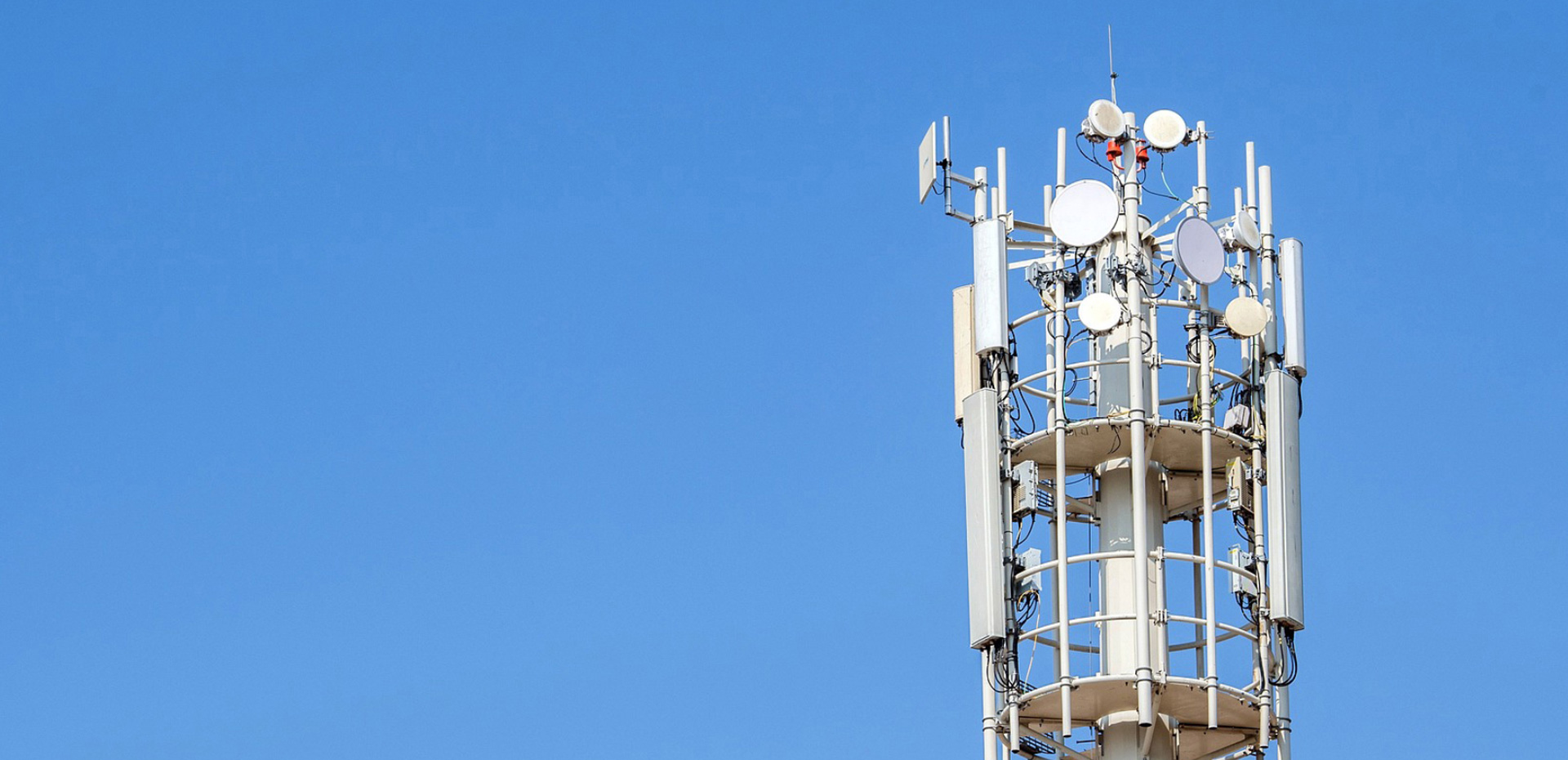
Telecom towers require frequent inspection to ensure uninterrupted signal transmission and prevent structural failures. Drone tower inspection provides detailed imagery of antenna alignments, cable conditions, and tower foundations. Integrated drone surveying generates precise 3D models, helping operators monitor structural stability and plan upgrades efficiently.
Energy Infrastructure
Power transmission and distribution towers are critical for energy supply. Drones can monitor for corrosion, loose bolts, and vegetation encroachment, while drone surveying ensures accurate mapping of tower locations and line alignments. Regular aerial inspections help reduce outages and prevent costly repairs.
Bridges and Elevated Structures
Bridges, overpasses, and elevated pipelines require continuous monitoring to maintain safety and durability. Drones can capture hard-to-reach areas, such as underside surfaces and high arches, providing comprehensive inspection data. Combining drone imagery with drone surveying allows engineers to detect structural weaknesses and plan preventive maintenance.
Industrial Facilities
Large industrial sites, including oil and gas installations, factories, and warehouses, benefit from UAV inspections. Drones monitor equipment, storage tanks, and elevated pipelines for wear and damage, while drone surveying provides accurate spatial data for facility planning and emergency response preparedness.
Emerging Technologies in Drone-Based Infrastructure Monitoring
AI and Machine Learning
Artificial intelligence (AI) is enhancing drone tower inspection by automating anomaly detection. Machine learning algorithms analyze captured images to identify corrosion, cracks, or loose components, allowing maintenance teams to focus on critical areas.
Autonomous Flight Planning
Advanced drones are capable of autonomous flight along pre-defined paths. Automated inspections reduce operator workload and ensure consistent data capture, even in complex environments.
Thermal and Multispectral Imaging
Thermal cameras detect overheating components, insulation failures, and energy losses, while multispectral sensors monitor vegetation encroachment and structural health. Integration with drone surveying software converts this data into actionable insights for long-term asset management.
Cloud-Based Data Management
Modern drone platforms enable real-time data upload to cloud systems, allowing teams to access inspection results instantly. This facilitates collaboration among engineers, operators, and management, improving response times and operational efficiency.
The Future Impact of Drone Tower Inspection
The future of infrastructure monitoring is increasingly reliant on drones. As drone tower inspection and drone surveying technologies advance, industries can expect faster, safer, and more accurate inspections, along with reduced operational costs. Integration with AI and predictive analytics will allow maintenance teams to anticipate issues before they occur, transforming reactive maintenance into proactive asset management.
Furthermore, as regulations around UAV usage become clearer and more standardized, drones will see broader adoption across utilities, transportation, and telecommunications sectors. Emerging trends such as swarm drones—multiple UAVs working collaboratively—promise even faster inspections and large-scale monitoring capabilities.

Conclusion
Drone tower inspection is revolutionizing how industries approach infrastructure maintenance and monitoring. By providing detailed, real-time aerial data, drones improve safety, reduce costs, and enhance operational efficiency. When combined with drone surveying, engineers and operators can generate precise maps, 3D models, and actionable insights, ensuring infrastructure remains safe, reliable, and optimized for long-term performance. The integration of advanced technologies such as AI, thermal imaging, and cloud-based analytics further amplifies these benefits. Companies like Asteria Aerospace are leading the charge, delivering innovative drone solutions that empower industries to embrace the future of infrastructure monitoring with precision, safety, and efficiency.