The Future in Focus: Visual AI Assistant That Reads Photos
Visual AI assistant tech. AI that can read photos, not just words. Think about that. Machines seeing like humans. Except faster. Cleaner. Sharper than us after two cups of coffee.


We used to think AI was about text only. Talking to chatbots, generating blogs, answering emails. But the real game-changer? Visual AI assistant tech. AI that can read photos, not just words. Think about that. Machines seeing like humans. Except faster. Cleaner. Sharper than us after two cups of coffee.
This isn’t just a toy for tech nerds. It's practical. Real world, daily-use practical. Because photos are everywhere. Screenshots, receipts, product images, social posts, memes, medical scans. A visual AI assistant can take those messy images and pull out meaning instantly. That’s the revolution most people don’t see coming.
Why Reading Photos Matters More Than You Think
Here’s the blunt truth. Most of our digital life isn’t in words anymore. It's in pictures. Snapshots, scans, selfies, diagrams. The web is flooded with them. But our old tools? They weren’t built to read images.
You’ve probably tried searching your phone gallery before. Nightmare. Type in “receipt” and half the time you get selfies from a restaurant instead. AI that can read photos solves that. It digs through the pixels, pulls the text, spots the objects, even the vibe. Suddenly, your photo library isn’t chaos. It’s organized, searchable, alive.
From Office Desks to Coffee Tables
This isn’t some Silicon Valley-only thing. The uses spread out fast. Offices are drowning in PDFs, scanned docs, old invoices. A visual AI assistant just reads it. No more manual entry, no wasted hours.
At home, same story. You get a handwritten note from your kid’s school? Snap it, AI turns it into usable text. Found an old recipe card in grandma’s handwriting? Same thing. It's not just convenience, it’s memory preservation. You don’t need to lose anything because it was written or drawn instead of typed.
The E-commerce Goldmine Nobody Talks About
Here’s a big one. Online shopping. Retailers sit on mountains of product photos. Most customers don’t type the right words to find what they want. They screenshot something from Instagram instead.
AI that can read photos bridges that gap. Show it the screenshot, it finds the product or something close. That’s frictionless shopping. For sellers, that’s money. For buyers, that’s simplicity. The businesses that jump on this now? They’ll leave everyone else behind.
Medical Images and Everyday Health
Let’s swing to the heavy side. Healthcare. Doctors don’t deal in paragraphs. They look at X-rays, MRIs, scans. Imagine a visual AI assistant that helps flag patterns. Catches what tired eyes might miss at 3 a.m.
Not replacing doctors. Don’t get me wrong. It’s about backup, speed, second eyes. Also for regular people, tracking health. You take a photo of a skin spot. AI gives context before you even see the dermatologist. That kind of early signal? Life changing.
The Creative Explosion: Photos as Language
Artists, designers, content creators—they already speak in images. But editing, tagging, organizing—it’s exhausting. AI that can read photos flips that on its head.

Upload your messy folder of design drafts. AI sorts it. Labels it. Finds duplicates. Even helps suggest themes based on color, mood, objects. That’s not just convenience. That’s fuel for more creativity, faster. And less time wasted staring at filenames like “final_FINAL2.jpg.”
When AI Sees More Than We Do
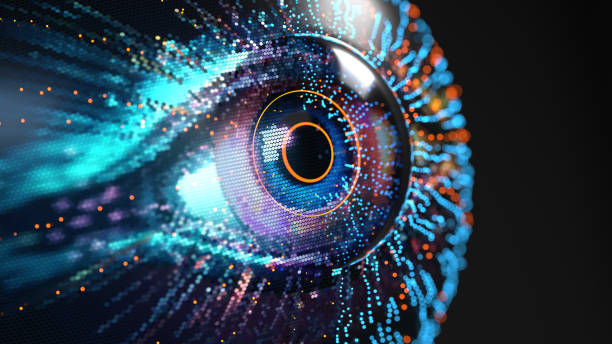
Here’s where it gets wild. A visual AI assistant doesn’t just copy what our eyes see. It can enhance, interpret, compare across billions of data points. Show it a blurry photo of a car? It identifies the model. Show it a faded sign? It restores the text.
Humans are biased, distracted, tired. AI isn’t. That doesn’t mean it’s perfect. But in many cases, it sees more than we do. That shifts power. Industries built on human-only inspection—manufacturing, quality control, logistics—get shaken up.
Accessibility: Tech That Levels the Playing Field
One of the most underrated parts. Accessibility. Not everyone can see. Or see well. AI that can read photos becomes eyes for them. It can describe an image out loud. Read the menu someone snapped. Translate signs on the fly.
That’s not small. That’s independence. Millions of people who’ve been left out of the visual internet suddenly get a bridge back in. If you think that’s a niche use, you’re missing the point. Accessibility drives mainstream adoption. Always has.
The Privacy Question Nobody Wants to Answer
Of course, here’s the awkward bit. Photos aren’t just data. They’re personal. Faces, IDs, places. If a visual AI assistant can read all of that, privacy gets messy.
Who owns the analysis? Where’s the data stored? Can the AI forget what it saw? These aren’t side issues. They’re central. If companies don’t solve them, the trust breaks. People won’t use tech they don’t trust. And once broken, trust doesn’t come back easy.
Visual AI in Daily Life Already
You may not realize, but pieces of this are already here. Google Lens. Pinterest search. Your phone camera translating menus in real time. Those are early, clunky versions of AI that can read photos.
The next wave makes it seamless. No switching apps. No clunky load times. Just point, snap, done. It’ll feel less like a tool, more like a partner. Something woven into daily habits without us even noticing.
The Business Shift Ahead
Every time new tech drops, businesses either adapt or fall behind. Visual AI assistant tech is one of those moments. Think about lawyers digging through old case files. Insurance agents reading damage photos. Farmers analyzing crop images.
Once AI handles photos, workflows collapse from hours to minutes. Businesses that ignore this? They’ll drown in inefficiency. The ones that adapt? They’ll move fast. And fast always wins.
What Comes Next: From Photos to Understanding
Photos are just the entry point. The bigger future is comprehension. AI that not only reads an image but understands context. That’s a dent in how we communicate with machines.
Instead of typing long prompts, you’ll just show. “Here’s my problem.” Snap. “Here’s my idea.” Snap. The visual AI assistant won’t just read the photo—it’ll act on it. That flips human-computer interaction on its head.
Wrapping It Up: Why You Should Care Now
Visual AI assistants aren’t sci-fi. They’re already creeping into daily life. The question isn’t if they’ll take over photo reading, but when. And when that happens, the people who ignored it will be scrambling.
So why wait? Test it. Explore it. Find how it fits into your work, your side hustle, your daily routine. Because the ones who learn it early? They’re the ones who benefit most.
Visit AI Vortex to start.
FAQs
What is a visual AI assistant?
A tool that can read, analyze, and interpret photos, turning them into usable data.
Can AI really read handwritten text in photos?
Yes. New models handle handwriting, even messy notes, with surprising accuracy.
How does visual AI help businesses?
It automates photo-based tasks like scanning documents, verifying products, or analyzing images for insights.
Is my photo data safe with AI tools?
Depends on the provider. Look for transparent privacy policies and secure storage.
Can visual AI assistants replace human vision?
Not replace—support. They spot patterns fast but still lack human judgment and nuance.