Keyword Cannibalization and Internal Links Guide
Discover how keyword cannibalization and internal links affect SEO. Learn to fix issues, improve rankings, and apply best linking strategies.

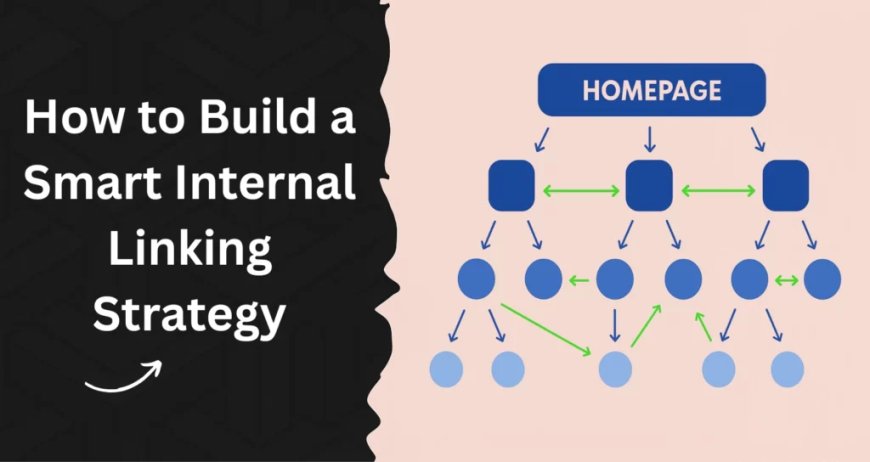
Search engine optimization is not only about creating content. The way your website is structured plays a big role in rankings. Two important factors are keyword cannibalization and internal links.
If you have multiple pages fighting for the same keyword, you may face cannibalization in SEO. At the same time, if your site lacks strong internal linking, Google may miss the importance of your main content.
This guide explains what is keyword cannibalization, why it is harmful, how to fix it, and how to use internal linking SEO to improve authority.
What Is Keyword Cannibalization?
Keyword cannibalization happens when several pages on the same site target the same keyword. Instead of helping rankings, this confuses search engines.
Imagine you write two blogs about “SEO tips.” Both try to rank for the same keyword. Google may not know which one to show, and both may perform poorly. This is the core of cannibalization SEO.
Why Cannibalization in SEO Hurts Rankings
Here’s why SEO keyword cannibalization is harmful:
-
Split authority – Backlinks and shares spread across many pages.
-
Poor rankings – Google doesn’t know which page is best.
-
User frustration – Visitors may find less relevant pages.
-
Wasted effort – Content competes instead of supporting.
Instead of one strong page, you end up with several weak ones.
How to Fix Keyword Cannibalization
You can fix keyword cannibalization with these methods:
-
Do a content audit – List all pages and their keywords.
-
Merge content – Combine similar posts into one detailed article.
-
Redirect duplicates – Use 301 redirects to the stronger page.
-
Refocus keywords – Assign unique terms to each page.
-
Use canonical tags – Tell Google which page is the original.
-
Strengthen internal links – Guide signals to your main page.
These actions will stop overlap and give clarity to your site.
What Is Internal Linking?
Internal linking SEO means connecting one page of your site to another. These links help search engines understand structure and importance.
For users, internal links make navigation easy. For search engines, they highlight the hierarchy of your website.
When used well, internal links build stronger authority and improve rankings.
Internal Linking Best Practices
Here are some internal linking best practices you should follow:
-
Use descriptive anchors – Example: “SEO internal linking strategy” instead of “click here.”
-
Highlight important pages – Link more often to high-value content.
-
Keep relevance – Connect related topics only.
-
Balance link numbers – Avoid too many links in one page.
-
Update links – Add connections to new articles.
These steps make your structure more effective and user-friendly.
Building an SEO Internal Linking Strategy
A strong SEO internal linking strategy spreads link value across your site.
-
Start with a pillar page covering the main keyword.
-
Write related articles on subtopics.
-
Link from subtopics back to the pillar page.
-
Interlink subtopics to form a cluster.
This model makes it clear which page should rank for the main keyword, reducing chances of cannibalization in SEO.
Using Internal Links to Fix Cannibalization
Internal links are powerful when solving keyword cannibalization.
Suppose you have two pages targeting “best SEO tools.” If you want one page to rank higher, link the other to it using anchors like “check out these SEO tools.” This signals to Google which page is more important.
This combination of internal linking best practices and cannibalization fixes makes your SEO strategy stronger.
Long-Term SEO Maintenance
SEO is not a one-time task. To avoid future problems:
-
Check for SEO keyword cannibalization regularly.
-
Update old content to remove overlap.
-
Maintain a keyword map for all pages.
-
Use internal linking for SEO in every new post.
-
Monitor rankings and adjust when needed.
This ongoing effort ensures your site stays healthy and competitive.
Conclusion
Strong SEO requires both clarity and structure. Keyword cannibalization confuses search engines and weakens rankings, while poor internal linking hides your best content.
By learning how to fix keyword cannibalization and applying an effective SEO internal linking strategy, you can guide search engines to your most valuable pages.
When done consistently, these methods improve visibility, boost authority, and create long-term growth.