How to Choose the Right Location for Your Commercial Convex Mirrors Installation
When it comes to improving visibility and preventing accidents in commercial and industrial environments, convex mirrors are an essential safety tool.
When it comes to improving visibility and preventing accidents in commercial and industrial environments, convex mirrors are an essential safety tool. Whether installed in warehouses, parking areas, retail stores, or loading docks, these mirrors provide a wide-angle view that helps eliminate blind spots and enhances safety for both vehicles and pedestrians.
However, the effectiveness of these mirrors largely depends on where and how they are installed. Choosing the right location is critical to ensuring maximum visibility and functionality. In this blog, Speedy Line Marking explains how to determine the ideal placement for your commercial convex mirrors installation and what factors to consider for optimal results.
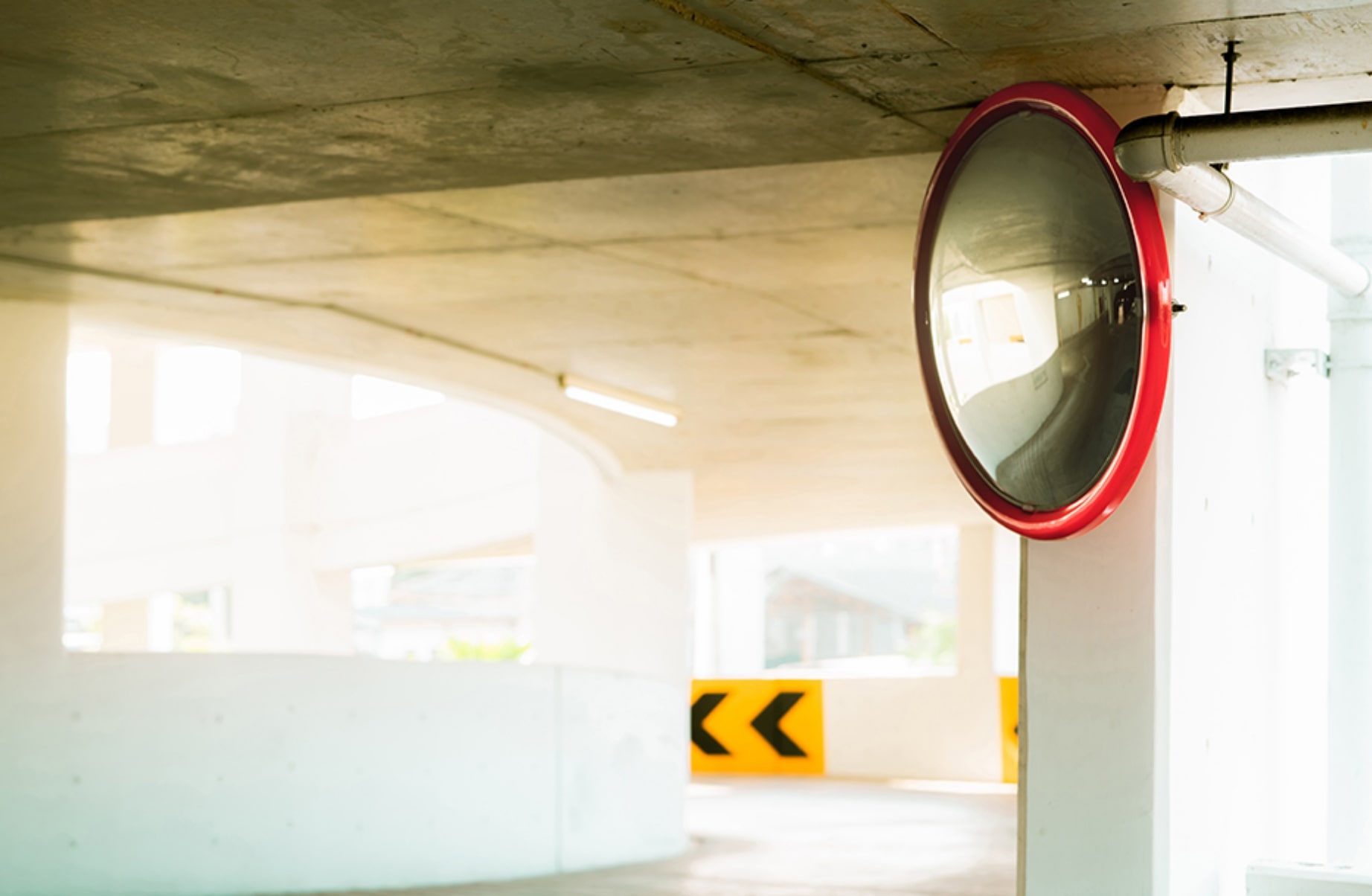
1. Understand the Purpose of Installation
Before you begin, it’s important to clearly define the primary purpose of installing convex mirrors in your commercial space.
· For traffic flow: Mirrors are often installed at intersections or tight corners in car parks or warehouses to prevent vehicle collisions.
· For pedestrian safety: In busy areas such as loading docks or entryways, mirrors help drivers and pedestrians spot each other before accidents occur.
· For surveillance and security: Retail stores or industrial facilities use convex mirrors to monitor aisles, storage areas, and blind zones to prevent theft and ensure employee safety.
Knowing your main objective helps you decide where mirrors will have the most impact.
2. Identify High-Risk Areas
Convex mirrors are most effective when positioned in high-risk zones—places where visibility is limited or where collisions are likely. Common examples include:
· Blind intersections: Corners where two aisles or driveways meet without clear sightlines.
· Warehouse aisles: Narrow paths where forklifts and workers often move simultaneously.
· Car parks: Exits, turns, and tight spaces where drivers need a better field of view.
· Loading bays: Entry and exit points where large vehicles back in or out frequently.
Conduct a safety audit or walk-through of your facility to identify these potential hazard zones before proceeding with installation.
3. Consider Height and Angle
Once you’ve identified the right areas, determine the optimal height and angle for installation. The goal is to ensure that the mirror reflects the full range of activity within the area without distortion.
· Indoor installations: Mount mirrors at a height that aligns with the average line of sight for drivers or pedestrians, usually between 2–2.5 metres.
· Outdoor or vehicle-related areas: Install mirrors high enough to remain visible to drivers, typically around 3–4 metres off the ground.
· Adjustable angles: Use adjustable brackets so the mirror’s tilt can be fine-tuned for perfect visibility, especially in complex spaces like multi-directional intersections.
Speedy Line Marking recommends testing visibility from multiple approaches before fixing the mirror permanently.
4. Factor in Lighting and Visibility Conditions
Even the best mirrors can’t help if lighting conditions are poor. Ensure that the area where you plan to install the mirror has sufficient light—whether natural or artificial.
· Avoid placing mirrors directly opposite bright lights, as glare can obscure visibility.
· Consider anti-fog or weather-resistant mirrors for outdoor use to maintain clarity in all conditions.
· In poorly lit warehouses, install LED-illuminated convex mirrors for enhanced safety during night shifts or low-light operations.
5. Choose the Right Mirror Type and Size
Different environments require different types of convex mirrors. Choosing the correct mirror material and size is key to effectiveness:
· Acrylic mirrors: Lightweight, shatter-resistant, ideal for indoor use.
· Polycarbonate mirrors: Extremely durable and suitable for outdoor or industrial settings.
· Stainless steel mirrors: Long-lasting and resistant to weather and vandalism, perfect for high-traffic areas.
As a rule of thumb, larger mirrors offer a wider viewing angle. For example, a 600mm mirror provides about a 9-metre viewing distance, while a 1000mm mirror extends up to 20 metres.
6. Ensure Compliance with Safety Standards
Before installation, check if there are any local safety or compliance regulations related to mirror placement, particularly in commercial or public spaces. Installing mirrors at improper heights or angles could lead to liability issues.
Partnering with professionals like Speedy Line Marking ensures that all installations meet Australian safety standards and are strategically positioned for maximum efficiency and protection.
7. Professional Installation Matters
While DIY installation might seem cost-effective, professional installation guarantees accuracy and safety. Experts assess your site layout, visibility angles, and structural conditions to determine the best mounting positions.
At Speedy Line Marking, we provide complete commercial convex mirrors installation services—from site evaluation and product selection to precise fitting and long-term maintenance. Our team ensures that each mirror is correctly aligned and securely fixed for lasting performance.
Conclusion
Choosing the right location for your commercial convex mirrors installation isn’t just about convenience—it’s about safety, efficiency, and compliance. By assessing high-risk areas, considering lighting and visibility, and working with experienced professionals, you can create a safer environment for employees, customers, and vehicles.
For expert advice and installation services, contact Speedy Line Marking today. We specialise in tailored safety solutions designed to enhance visibility, prevent accidents, and keep your commercial premises secure and efficient.