How to Check Quality of Construction Materials in Nepal
Learn how to check quality of construction materials in Nepal, from cement to steel, sand, and bricks. Build a strong and safe home with the right materials.
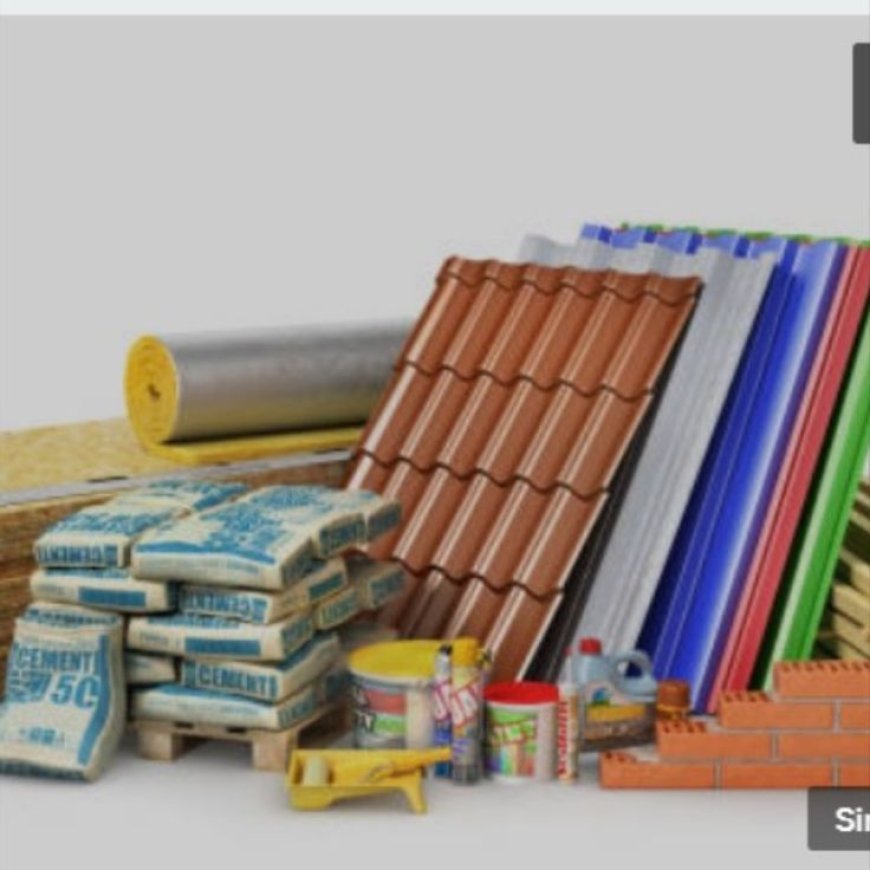
How to check quality of construction materials in Nepal is a question every homeowner, builder, or property investor asks before starting a project. After all, the durability and safety of your home largely depend on the materials used. Using poor-quality cement, steel, bricks, or sand can weaken the structure and shorten its lifespan. On the other hand, investing in high-quality materials ensures strength, safety, and long-term savings.
In this guide, well walk you through simple ways to check the quality of different construction materials in Nepal so you can make confident choices for your dream home.
Why Quality Matters in Construction
High-quality construction materials are not just about looksthey directly affect safety, strength, and maintenance costs. Poor-quality materials may lead to cracks, leaks, or even structural failure. In a country like Nepal, where earthquakes are frequent, the choice of materials becomes even more important.
By learning how to check quality step by step, you can avoid unnecessary risks and ensure your home stands strong for decades.
Checking Quality of Cement in Nepal
Cement is the backbone of any structure. But not all cement bags in the market are reliable. Here are ways to check:
-
Manufacturing Date: Cement loses strength over time. Always check the date printed on the bagavoid cement older than 3 months.
-
Texture Test: Rub a pinch between your fingers. Good cement feels smooth, while adulterated cement feels grainy.
-
Float Test: Drop a handful of cement into a bucket of water. Quality cement should float for a few minutes before sinking slowly.
-
Color: Pure cement is uniform gray with no lumps.
? Many builders prefer specific types of cement used in Nepal, such as OPC (Ordinary Portland Cement) and PPC (Portland Pozzolana Cement). Each has unique benefits, so choose based on your project needs.
How to Check Quality of Bricks
Bricks form the walls of your house, so their strength matters. Heres how you can check them:
-
Sound Test: Hit two bricks together. A clear ringing sound means the brick is strong.
-
Drop Test: Drop a brick from a height of 1 meter. A good-quality brick wont break easily.
-
Shape and Size: Uniformly shaped bricks ensure proper alignment in construction.
-
Water Absorption Test: Soak a brick in water for 24 hours. It should not absorb more than 20% of its weight.
How to Check Quality of Sand
Sand is crucial for plastering and concrete mix. Poor sand quality can weaken the entire structure.
-
Color: Clean sand is light gray or whitish.
-
Silt Test: Take a jar of water, add sand, and shake it. If more than 8% of the volume is silt, its not suitable.
-
Texture: Rub sand between your fingers. It should feel gritty, not sticky.
-
Salt Content: If the sand tastes salty, it can cause corrosion in steel reinforcement.
How to Check Quality of Steel
Steel provides strength and flexibility in buildings, especially in earthquake-prone areas like Nepal.
-
Brand and Certification: Always buy from reputed manufacturers with ISI or equivalent certification.
-
Bend Test: Good-quality steel can bend without breaking.
-
Rust-Free: Avoid steel rods with excessive rust.
-
Weight Check: Weigh the rods. Fake or low-quality steel often has less weight than standard.
How to Check Quality of Aggregates (Gravel and Crushed Stone)
Aggregates give body to concrete. Their quality is essential for strength.
-
Shape: Angular stones provide better bonding than rounded ones.
-
Size: Use mixed sizes for balance.
-
Cleanliness: Wash aggregates. If too much dust or clay comes out, they are not suitable.
-
Durability: Press a stone with your hand. Weak stones crumble easily.
How to Check Quality of Timber and Wood
If your home design includes wooden doors, windows, or furniture, the wood must be strong and termite-free.
-
Moisture: Dry wood is better. Wet wood shrinks and warps.
-
Surface Check: Look for cracks, fungus, or holes.
-
Hardness: Press with a nail. If it goes in too easily, the wood is weak.
-
Odor: Good timber has a natural smell. A foul odor may indicate decay.
? Always explore Best Materials for Doors and Windows in Nepal, since choosing strong and durable wood can save money in the long run.
Simple On-Site Tests Anyone Can Do
Even if youre not an engineer, here are quick checks you can perform on-site:
-
Rub cement between your fingers.
-
Hit two bricks together to hear the sound.
-
Taste sand for saltiness.
-
Drop a brick to test its strength.
-
Bend a steel rod slightly to check flexibility.
These easy methods will help you identify whether the material is worth using.
Importance of Buying from Trusted Suppliers
One of the smartest ways to ensure quality is to buy from reputed suppliers and brands. Trusted vendors follow standards, provide certification, and guarantee authenticity. While cheaper alternatives may seem attractive, they often cost more in the long run due to repairs and structural issues.
Role of Engineers and Contractors in Quality Control
Hiring professionals ensures every material is tested before use. Experienced engineers and contractors know how to verify quality with lab tests when needed. If youre working with the best construction company in Nepal, they will handle material checks, quality assurance, and proper supervision.
Long-Term Benefits of Using Quality Materials
Using high-quality construction materials may seem costly at first, but it pays off in the long run. Benefits include:
-
Greater structural strength
-
Resistance to natural disasters
-
Lower repair and maintenance costs
-
Longer lifespan of the building
-
Higher resale value of the property
Final Thoughts
How to check quality of construction materials in Nepal is a must-know for anyone building a house or commercial property. From cement and steel to sand, bricks, and wood, each material plays a crucial role in durability and safety. A little attention to quality checks can save you from future headaches and unnecessary expenses.
Whether youre building a small home or a large complex, remembergood materials are the foundation of strong construction. Invest wisely today for a safe tomorrow.