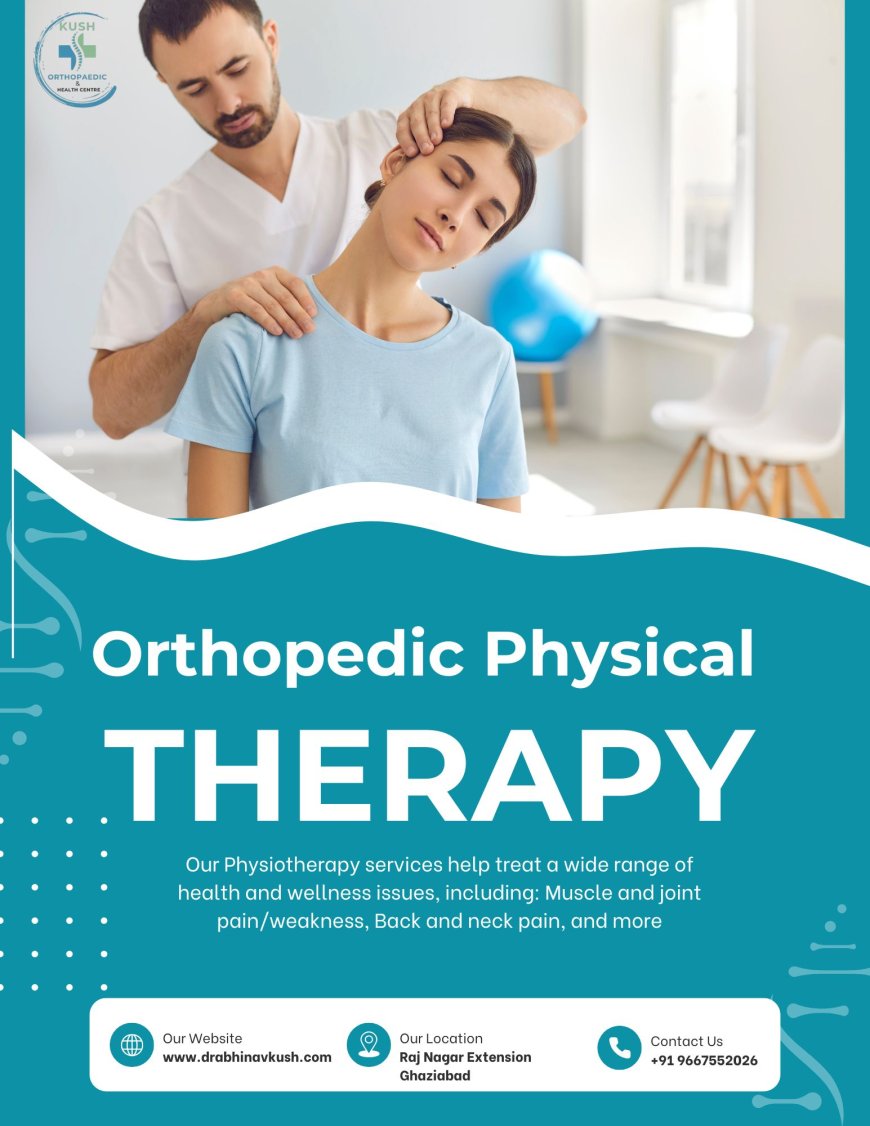
Healing Beyond Limits: How Orthopedic Physical Therapy Transforms Recovery?

Recovery from surgery or injury can be daunting, both physically and mentally. Pain, limited mobility, and confusion about the healing process can turn everyday activity into a chore. This is where orthopedic physical therapy comes into its own as a lifesaver. By blending scientific methods with individualized attention, patients can regain strength, restore function, and return to their regular routines more quickly and safely. Whether you’re dealing with a soft tissue injury, persistent shoulder pain, or the aftermath of a surgical procedure, guided rehabilitation ensures your body heals properly and prevents long-term complications.
At trusted centers, expert therapists create tailored plans that focus not only on the affected area but also on your overall well-being. Orthopedic physiotherapy bridges the gap between medical treatment and total recovery. In addition, assisting individuals to restore their active living with self-assurance and strength.
Why Orthopedic Physical Therapy is Essential to Long-Term Wellness?
Orthopedic physical therapy isn't merely about alleviating discomfort; it's about recreating functionality, enhancing mobility, and avoiding injury recurrence. Through the treatment of the underlying causes of pain, it promotes recovery and overall musculoskeletal wellness.
1. Comprehending Orthopedic Physical Therapy
Orthopedic physiotherapy addresses the bones, joints, muscles, ligaments, and tendons. Hence, the entire support network of your body. When these structures are injured or operated upon, movement is limited. Therapists employ manual methods, exercise therapy, and progressive loading to restore strength and range of motion. This formal method not only decreases pain but also enhances blood flow, allowing tissues to heal better. Patients begin noticing advantages such as better posture, less stiffness, and trust in everyday activities.
2. Orthopedic Physiotherapy vs. General Physiotherapy
General physiotherapy can treat conditions such as neurological rehabilitation, respiratory therapy, or cardiac rehabilitation. Orthopedic physio, on the other hand, is specifically focused on musculoskeletal issues. That focus equips the therapists to handle fractures, joint replacements, torn ligaments, and overuse injuries. They're also adept at recognizing compensatory movement patterns, how your body may be "cheating" due to pain, and fixing them before they cause secondary issues.
3. Post-Surgery Rehabilitation
After knee replacement surgeries, ligament reconstructions, or shoulder arthroscopy, rest in bed seems so inviting. However, without organized movement, joints get stiff and muscles lose strength. Post surgery rehabilitation includes low-level exercise to keep blood circulating and eventually restore function. As time goes by, therapy becomes more about strengthening, gait retraining, and flexibility exercises so that you not only recover but regain pre-surgical functions, or even exceed them.
4. Shoulder Pain Physiotherapy Treatment at Home
Not everyone can travel frequently to a clinic, especially older adults or those recovering from complex surgeries. Modern orthopedic practices utilize video consultations, exercise apps, and shoulder pain physiotherapy treatment at home. Therapists assess your movement patterns virtually, demonstrate exercises, and monitor your form to ensure you’re healing correctly. It reduces travel stress and increases adherence to the program, two factors proven to improve recovery outcomes.
5. Effective Management of Musculoskeletal Pain
Musculoskeletal pain in your back, neck, or joints typically results from poor posture, repetitive strain, or pre-existing conditions such as arthritis. Musculoskeletal pain treatment employs a combination of stretching programs, core strengthening, ergonomic guidance, and pain reduction modalities, such as ultrasound or heat therapy. Rather than covering up the pain with medication, they work on correcting the cause, so your regular movements become smoother and less painful.
6. Handling Soft Tissue Injuries with Caution
Sprains, strains, and tendon injuries, commonly referred to as soft tissue injuries, require a delicate balance between rest and mobilization. Resting too much can cause stiffness, while excessive activity can exacerbate the injury. An expert in shoulder pain physiotherapy treatment at home gently guides you through stages, including decreasing swelling and pain, regaining flexibility, and subsequently strengthening and exercising to build more endurance. They might also employ taping methods or stabilizing braces for safety while healing tissues to keep you active.
7. Sports Injury Rehabilitation for Active Lifestyles
Whether you're a weekend warrior or a competitive athlete, a sports injury can not only ruin more than a training session, but also impact your overall well-being. Soft tissue injury orthopedic physiotherapists create sport-specific rehabilitation programs for sports injuries that involve drills specific to your sport, agility training, and biomechanical analysis. It's not just about getting you back into your sport; it's about preventing recurrence. By fixing imbalances, poor techniques, and weak links, they ensure you return stronger and more durable.
8. Improving Balance and Coordination
Most injuries, particularly ankle sprains, knee injuries, or surgery, disrupt your balance sense. This raises the risk of falling and hampers your recovery to regular activity. Orthopedic physical therapy involves proprioceptive training. Exercise helps retrain your nervous system to recognize your body's position in space. Easy equipment like balance boards, foam pads, or single-leg exercises restores your coordination and stability, restoring confidence with movement.
9. Value of Early Intervention
Waiting for pain to "just go away" can worsen injuries. Beginning physiotherapy early, even before surgery (prehab), helps strengthen muscles, enhance joint range of motion, and improve circulation, all of which pave the way for a more comfortable recovery. Patients with soft tissue injury who participate in early intervention tend to have shorter hospital stays, quicker return to work, and reduced use of pain medication.
10. Complete Pain and Mobility Management
Orthopedic physical therapy is not done in a vacuum. A good therapist will examine your whole movement chain. Knee pain may be caused by hip weakness or improper foot mechanics. By addressing related areas through assessment and treatment, they provide long-term comfort and enhanced performance in daily activities. Lifestyle habits, nutrition, stress, and sleep are talked about as well, since they have a direct impact on healing.
11. Patient Education and Self-Management
One of the primary advantages of orthopedic physiotherapy is the transfer of knowledge. You learn from the therapists why you're performing each exercise, how to keep your workplace in proper posture, and what warning signs to observe. However, this makes you an empowered patient able to work on your condition without needing to return for repeated visits to the clinic. Patients with a clear understanding of their recovery plan are more motivated and diligent, leading to improved outcomes.
Building Strength through Proper Care!
Recovery isn't simply a matter of medication. Furthermore, it's taking charge of your body and your life. Orthopedic physical therapy provides a guide for healing, combining medical knowledge with understanding and empathy. At Kush Orthopaedic & Health Centre, patients are assigned personalized programs that meet their individual needs, whether it's rehabilitation following surgery, injury recovery for sports, or in-home physiotherapy for shoulder tenderness.
Furthermore, by investing in quality sports injury rehabilitation today, you’re safeguarding your mobility, reducing the risk of chronic issues, and stepping confidently into a healthier future.